
Shrubs
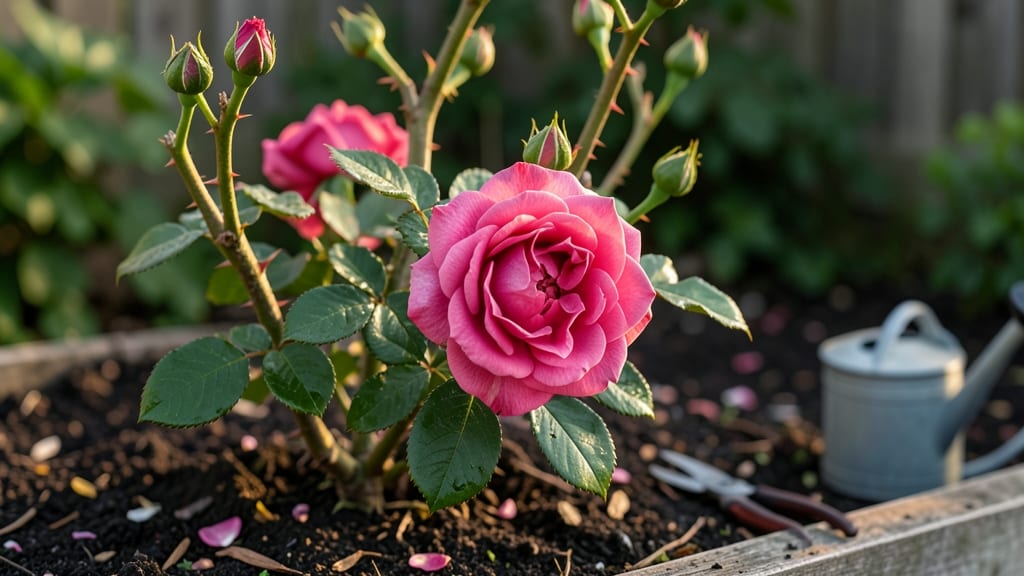
Rose season depends on variety and climate: hybrid teas bloom from late spring through early fall, while climber roses typically peak in summer. Cold regions may delay blooms until June, whereas warm zones can enjoy near-continuous blooms from certain varieties like Knock Out roses.
Understanding your local climate and rose type is key to predicting bloom times. 🌸 In cooler regions like USDA zones 3-5, roses often need warmer temperatures to break dormancy, which is why blooms may start later in June rather than May.
Meanwhile, heat-tolerant varieties in zones 8-11 can flower year-round with proper care, especially when paired with consistent watering and seasonal pruning. The difference between a single flush of blooms and continuous flowering often comes down to these environmental factors and variety selection.
For gardeners in transitional zones (6-7), choosing the right rose types can make all the difference. Floribundas and grandifloras tend to produce more abundant blooms over longer periods than hybrid teas, while shrub roses often have extended seasons when given proper winter protection.
I've found that even in marginal climates, selecting disease-resistant varieties like 'Dr. Huey' or 'Knock Out' roses can significantly extend your blooming window.
💡 In This Article
- How Climate Zones Affect Rose Blooming Times
- Best Rose Varieties for Extended Blooming Seasons
How climate zones affect rose blooming times
Roses rely on specific temperature thresholds to trigger blooming, which explains why timing shifts dramatically across USDA climate zones.
In zones 3-5 (average winter lows of -30°F to -10°F), roses often enter dormancy in fall and require consistent daytime temperatures above 50°F to break dormancy—typically around late May to early June.
This delayed start contrasts sharply with zones 8-11 (average winter lows of 10°F to 40°F), where roses may bloom as early as February for heat-tolerant varieties like 'Tropical Sunset' or 'Iceberg'.
The photoperiod (daylight hours) also plays a critical role. Most roses need 12-14 hours of daylight to initiate flowering, which is why northern climates see peak blooms during summer solstice (June 21).
In southern zones, however, the extended daylight combined with mild winters allows varieties like Knock Out roses to produce multiple bloom cycles annually. 🌞 What's fascinating is how some climber roses (e.g., 'New Dawn') can extend their season by 4-6 weeks compared to hybrid teas, thanks to their ability to bloom on old wood as well as new growth.
Soil temperature matters just as much as air temperature. Roses planted in zones 6-7 (where winters dip to 0°F) often need soil temperatures above 55°F at 4-inch depth to trigger root activity and subsequent blooming.
This is why gardeners in these areas sometimes see staggered blooms—early varieties like 'Julia Child' may flower in May, while later varieties like 'Double Delight' peak in August.
The key difference between cold and warm zones is this temperature-dependent dormancy cycle, which can be manipulated through mulching or winter protection techniques.
Light intensity also varies by latitude, affecting bloom quality. Roses in northern zones (3-5) receive lower UVB exposure during summer, which can result in paler petals compared to southern roses. This is why deep red varieties like 'Black Baccara' may appear more purple in cooler climates.
Conversely, in zones 9-11, the intense sunlight can cause heat stress, requiring afternoon shade for varieties like 'Carefree Beauty' to maintain vibrant blooms throughout the year.
What most gardeners don't realize is how microclimates create local variations even within the same zone. A south-facing wall can create a zone 8 microclimate in an otherwise zone 6 area, allowing roses like 'The Fairy' to bloom a full month earlier.
This is why precise plant placement—combined with proper watering (1-1.5 inches per week) and mulching (3-4 inches of organic matter)—can effectively extend bloom seasons by 2-3 weeks in marginal climates.
For those in transitional zones (6-7), the secret to year-round blooms often lies in selecting varieties that tolerate both cold snaps and summer heat. 'Knock Out' roses, for example, can produce blooms from May through October in these zones when given consistent moisture and light pruning every 6-8 weeks.
The science here is about balancing growth hormones—pruning stimulates new shoots, which then produce more bloom buds when temperatures stabilize above 60°F.