
Vegetables
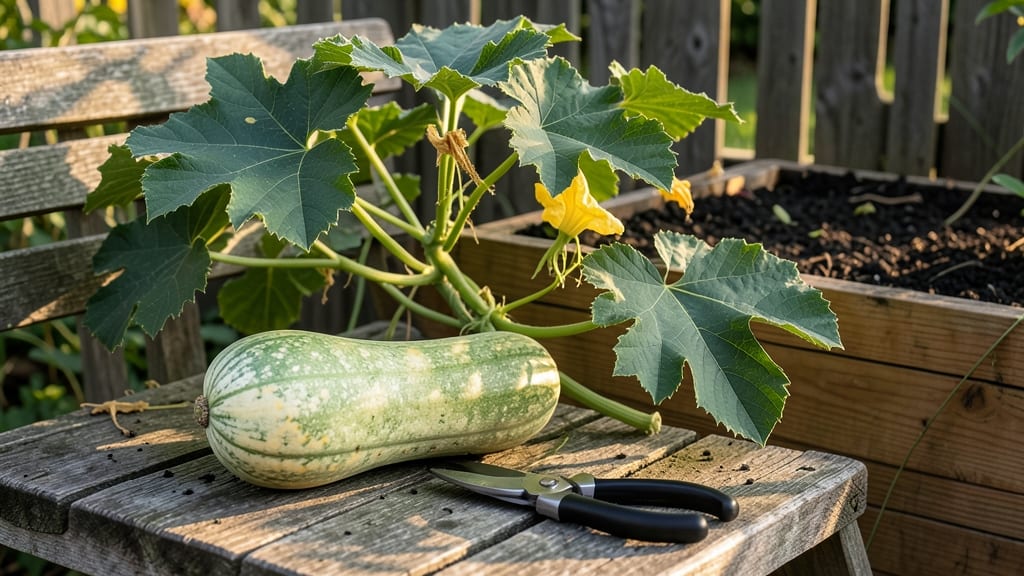
Spaghetti squash is in season from late summer through fall 🍠, when the sweetest, most tender varieties hit grocery shelves and home gardens alike.
Ever noticed how your local store suddenly stocks spaghetti squash in September but none in May? That’s no coincidence—it’s all about the growing season, and knowing the best time to harvest can save you money while ensuring the freshest, most flavorful squash for your dishes.
In most of the U.S., including USDA Zone 6a, spaghetti squash thrives from April to May when planted, maturing just in time for a September to October harvest.
But regional differences mean Southern states might enjoy theirs even earlier, while Northern gardeners could push the season slightly later with the right care.
Below, I’ll break down the exact months to expect spaghetti squash in your area, how to spot a perfectly ripe one, and even tips for storing it so you can enjoy it year-round—no seasonality stress included.
Spaghetti squash season by USDA hardiness Zones: month-by-month harvest guide
Spaghetti squash thrives in warm climates and follows a predictable seasonal pattern that varies dramatically by USDA hardiness zone. In Zones 9-11, you might spot them year-round, while Zones 3-5 gardeners get just 2-3 months of harvest time.
Understanding these differences helps you plan when to plant, harvest, and enjoy the sweetest, most flavorful squash possible.
Timing matters because spaghetti squash develops its signature stringy, pasta-like texture when fully mature. Harvesting too early means tough, underdeveloped flesh, while waiting too long risks overripe squash with bitter, fibrous strands. The key is knowing your zone’s peak harvest window and adjusting for early or late varieties.
Southern states (Zones 7-11) enjoy longer growing seasons, often starting harvests as early as August. Meanwhile, Northern gardeners (Zones 3-6) typically wait until September or October when daytime temperatures drop below 85°F. This shift in timing isn’t just about convenience—it’s about optimal flavor development.
Here’s how to navigate spaghetti squash seasons across all USDA zones, including early vs. late varieties and regional quirks that can extend your harvest by weeks.
| USDA Zone | Peak Harvest Months | Early Variety | Late Variety | Regional Notes |
|---|---|---|---|---|
| 3-4 | Late Sept - Early Oct | 'Golden Delicious' | 'Honey Bear' | Short season; use black plastic mulch |
| 5-6 | Mid-Sept - Late Oct | 'Cocozelle' | 'Turkish Orange' | Extend season with row covers |
| 7-8 | Early Aug - Late Oct | 'Spaghetti Supreme' | 'Orange Spaghetti' | Long harvest; store in cool caves |
| 9-10 | June - November | 'Sunburst' | 'Crown Spaghetti' | Year-round growth; harvest twice/year |
| 11 | All Year | 'Tropical Spaghetti' | 'Hawaiian Gold' | No frost risk; plant continuously |
In Zones 3-4, where frost arrives early, gardeners rely on fast-maturing varieties like 'Golden Delicious' (80-90 days) to harvest before the first frost. These areas benefit from black plastic mulch or row covers to extend the season by 2-3 weeks.
Without these tricks, your harvest window shrinks to just 4-6 weeks.
Moving to Zones 5-6, you gain flexibility with both early and late varieties. 'Cocozelle' matures in 90 days, perfect for late July plantings that harvest in September.
Meanwhile, 'Turkish Orange' takes 110 days but delivers sweeter, denser strands when grown through October. In these zones, soil temperature becomes critical—wait until it reaches 65°F before planting.
Southern gardeners in Zones 7-8 enjoy the longest harvest windows, often stretching from August through November. Here, 'Spaghetti Supreme' thrives with minimal care, while 'Orange Spaghetti' rewards patience with richer carotenoid flavors.
The real secret in these regions? Storage techniques. Many gardeners harvest early and store squash in cool (50-55°F) root cellars to enjoy fresh squash through winter.
For Zones 9-10, spaghetti squash is practically a year-round crop. Varieties like 'Sunburst' mature in just 75 days, allowing gardeners to plant two crops annually—one in spring and another in fall. The key is consistent watering (1-2 inches
How to extend your spaghetti squash season: planting times and storage tips
Spaghetti squash thrives in warm weather, but with the right strategies, you can enjoy fresh harvests beyond the typical late summer to fall window. The key is understanding your USDA zone and using techniques like season extension or container gardening to push boundaries.
Even in cooler climates, you can grow spaghetti squash—you just need to plan ahead!
For gardeners in Zones 3-5, start seeds indoors 8-10 weeks before your last frost date. Transplant seedlings outdoors only after soil temperatures reach 70°F (21°C), typically in late May or early June.
In Zones 6-11, direct sow seeds in April-May for a traditional fall harvest, but you can also try fall planting for an early spring crop in mild winters.
- 1
- 2
- 3
- 4
If you're in a warmer climate (Zones 9-11), you can plant spaghetti squash in fall for a winter harvest. Choose early-maturing varieties like 'Golden Delicious' (80 days) to avoid heat stress.
For container gardening, use large pots with drainage holes and place them in full sun areas. Move containers indoors before first frost to extend the growing season.
To store harvested squash, cure them in a warm, dry place (85°F) for 10 days to harden the skin. Then store in a cool, dark area with high humidity (70-80%).
A ventilated cardboard box or plastic bag with holes works well. Check squash monthly for spoilage, and avoid stacking them to prevent rot.
For a continuous harvest, try succession planting every 2-3 weeks in warm climates. In cooler areas, focus on one main planting and prioritize storage techniques to enjoy your squash through winter.
With these tips, you'll never run out of fresh spaghetti squash again—just in time for your favorite fall dishes! 🍠