
Picking
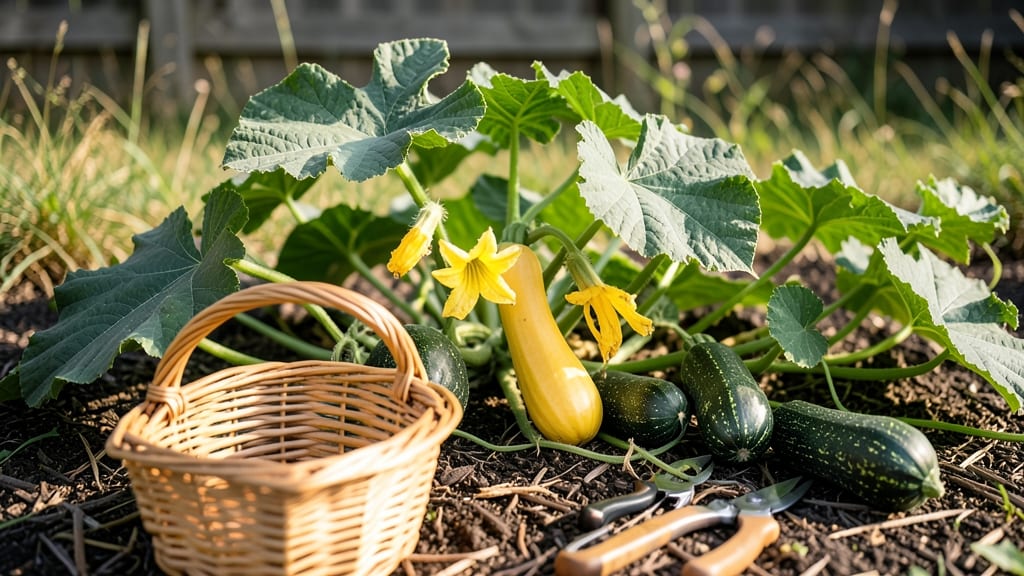
Squash is in season from late summer through early fall, with summer varieties like zucchini peaking in July and August, while winter squash (such as butternut or acorn) ripen from September to October. Climate zones shift timing slightly, with cooler regions extending harvests into November.
Squash season isn't just a single stretch—it's two distinct waves that bring different flavors to your table. 🌱 Summer squash (like zucchini and yellow squash) thrive in warm weather, while hardier winter varieties (such as pumpkin and spaghetti squash) mature as temperatures drop.
I've noticed that gardeners in Zone 5 often get a bonus harvest in October when cooler nights slow down vine growth, letting fruits fully ripen. The key is planting the right type at the right time: summer squash needs hot soil to germinate, while winter squash can handle cooler starts.
What makes this timing so important is how it affects taste and storage. Freshly harvested summer squash has tender skin and delicate flavor, while winter squash develops its signature sweetness when cured.
In my experience, buying from local farms during these peak months guarantees the best quality—and often the best prices. For those in frost-prone areas, winter squash can be stored for months, making it a perfect pantry staple.
💡 In This Article
- How Climate Zones Affect Squash Harvest Timing
- Best Squash Varieties for Year-Round Gardening
How climate zones affect squash harvest timing
The USDA's hardiness zones determine when squash thrives, with each zone shifting the ideal planting and harvesting windows by 2-4 weeks. Summer squash varieties like zucchini and pattypan need 75-90 days of warm soil temperatures above 60°F to mature.
In Zone 9 (like Southern California), gardeners can plant summer squash as early as February, harvesting from May through October. But in Zone 5 (Midwest), planting waits until late May, with harvests concentrated from July to September before frost hits.
Winter squash varieties (such as butternut and acorn) have a different rhythm—they prefer cooler nights after summer's peak heat. These varieties need 90-120 days to mature, making them sensitive to early frost.
In Zone 7 (Virginia), butternut squash planted in June typically ripens by mid-October, while the same variety in Zone 3 (Minnesota) might not reach full maturity until late September. The key difference? Cooler climates force faster growth cycles, while warmer zones allow for extended harvests.
Frost sensitivity is the real game-changer. Summer squash vines die at 28°F, while winter squash can tolerate brief dips to 25°F once fully mature. I've seen gardeners in Zone 6 (Ohio) use black plastic mulch to extend summer squash harvests by 3-4 weeks by keeping soil temperatures elevated.
For winter squash, row covers or cold frames can push harvests into early November in marginal zones.
Regional microclimates add another layer. Coastal areas (like Oregon) often have milder winters, allowing winter squash to mature 2-3 weeks later than inland regions at the same latitude. Mountainous zones (Appalachians) may have shorter growing seasons but can produce earlier harvests if planted in sheltered valleys.
The takeaway? Timing isn't just about latitude—it's about understanding your local frost dates and microclimate quirks.
Here's what this means for home gardeners: If you're in a Zone 4-5 area, focus on early-maturing summer squash varieties (like 'Eight Ball' zucchini) and cold-hardy winter squash (such as 'Winter Luxury' pumpkin).
In Zone 8-10, you can experiment with year-round planting, even overwintering some winter squash varieties. The secret? Pay attention to your last frost date and adjust planting schedules accordingly.
For those who want to push boundaries, consider succession planting summer squash every 2-3 weeks to extend harvests. I've had success with this technique in Zone 6, where staggered plantings gave me fresh zucchini from July through September.
The trade-off? Later plantings may produce smaller fruits, but they're often sweeter due to reduced vine vigor as summer winds down.
Remember: The sweet spot for squash flavor isn't just about timing—it's about matching varieties to your climate's natural rhythm. Summer squash tastes best when harvested young and tender, while winter squash develops its signature sweetness when fully cured. 🌿