
Picking
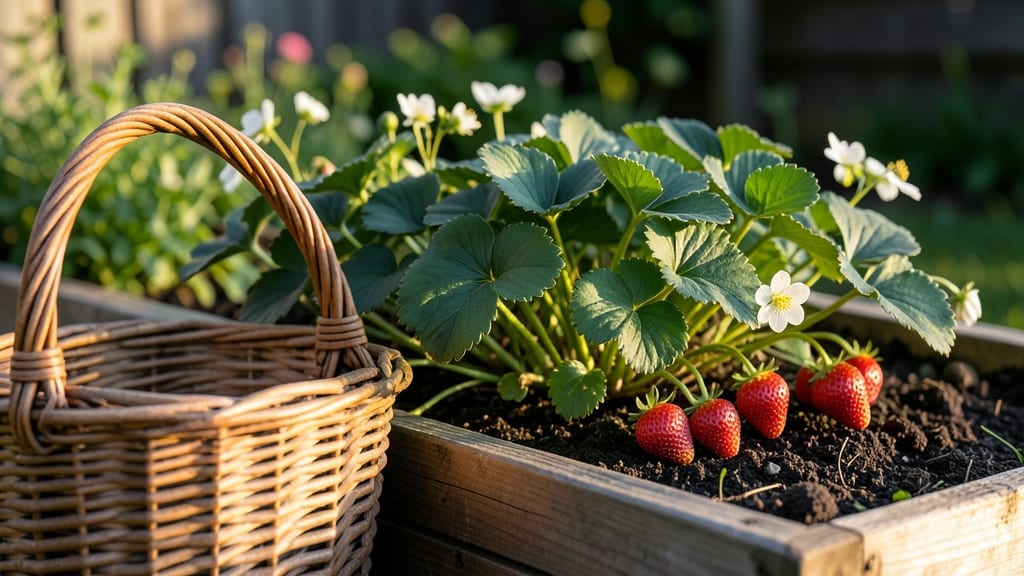
Strawberry picking season arrives when those bright red berries are bursting with flavor—typically between June and July in most U.S. regions, though timing shifts with climate and variety.
Imagine biting into a strawberry so sweet and ripe that it practically melts in your mouth—only to realize it was picked at the perfect moment. Timing is everything when it comes to strawberry picking, and missing the window means settling for bland, underripe berries instead of nature’s candy.
Whether you’re a backyard gardener or a farm visitor, knowing the exact months for peak harvest in your area makes all the difference. From early June-bearing varieties to everbearing types that stretch the season, each type has its own schedule—and climate plays a surprisingly big role.
In this guide, I’ll break down the best months for picking by region, share foolproof tips for spotting ripe berries, and even reveal how to extend your harvest by choosing the right strawberry type. Let’s get started!


Strawberry picking season by U.s. region: exact months for peak flavor
If you’ve ever wondered why your grocery store strawberries taste like cardboard, the answer is simple: timing. Strawberries picked at the wrong moment—whether too early or too late—lose their signature sweetness and juiciness.
The U.S. is divided into distinct harvest windows, where climate, variety, and daylight hours dictate when your berries hit peak flavor. In the Pacific Northwest, for example, early-season varieties burst with flavor in May, while the Southeast enjoys a prolonged feast from March through June.
Understanding these windows means the difference between a sour bite and a burst of summer sunshine in every mouthful.
Why does timing matter so much? Strawberries develop their sugar content and texture through a delicate balance of warmth and daylight. Picking too early means underripe berries with hard centers, while waiting too long risks overripe fruit that’s mushy and seedy.
The key is catching them at the sweet spot—when their color deepens, their aroma intensifies, and they yield slightly to gentle pressure. Let’s dive into the exact month-by-month breakdown so you never miss the window again.
📌 NOTE: These dates are based on average last frost dates and day-neutral varieties, but microclimates and specific cultivars can shift windows by 1-2 weeks. Always check with local farmers' markets or extension services for precise updates.
| Region | Early Season | Peak Season | Late Season | Key Varieties |
|---|---|---|---|---|
| Pacific Northwest (WA, OR) | Late April | May–June | Early July | Seascape, Albion |
| Southeast (FL, GA, SC) | March | April–June | July | Chandler, Camarosa |
| Midwest (IL, OH, MI) | Late May | June–July | Early August | Honeoye, Jewel |
| Northeast (NY, PA, NJ) | Early June | June–July | Late July | Allstar, Sparkle |
🌱 PRO TIP: Day-neutral varieties (like Seascape) can produce fruit year-round in warm climates, extending your picking season by 3-4 months.
In the Pacific Northwest, where cooler temperatures slow ripening, strawberries often peak in May and June. Varieties like Seascape and Albion thrive in these conditions, delivering bright red, firm berries with a tangy-sweet flavor.
The Southeast, however, gets a head start—March harvests are common here, thanks to milder winters. Chandler and Camarosa are staples, offering large, juicy fruit perfect for fresh eating or preserving.
The Midwest sees its golden window in June and July, with Honeoye and Jewel varieties leading the charge. These berries often have a bold, classic strawberry taste, ideal for jam-making or baking.
Meanwhile, the Northeast experiences slightly later harvests due to cooler springs, with Allstar and Sparkle shining from June through July. Their thick skins make them great for shipping, but they’re equally delicious straight off the vine.
Climate plays a huge role in these timelines. For instance, early-season varieties in the Southeast can ripen 6-8 weeks earlier than those in the Northeast because of warmer winters and longer growing days.
Even within a single state, elevation matters—mountainous regions like Western North Carolina might see harvests 2 weeks later than coastal areas. That’s why local farmers' markets are your best friend: they adjust their harvest calendars based on real-time weather patterns.
If you’re growing strawberries at home, <
How to tell when strawberries are ready to pick (and how to avoid overripe disasters)
Picking strawberries at the perfect moment transforms them from tart to bursting with sweetness. The difference between a juicy, flavorful berry and a mealy, underripe one often comes down to timing.
Many gardeners rush to pick the first red berries they see, only to end up with disappointing flavor or even rotting fruit that fell off too soon.
I’ve learned the hard way that strawberries don’t ripen further after picking—unlike tomatoes or avocados. Once they’re off the vine, their sugar development stops. That means your window for picking is narrower than you think, and missing it can mean wasting weeks of growth.
The key is mastering a few simple cues to catch them at their peak ripeness every time.
🍓 Strawberry Picking Season by Region & Key Cues
💡 Pro Tip: Check berries every 2–3 days during peak season to avoid missing the window!
First, focus on color consistency. A ripe strawberry should be uniformly colored—no green patches or uneven shading. Some varieties like Albion or Seascape stay white or pale yellow when ripe, so don’t judge by redness alone.
Next, give the berry a gentle squeeze: it should yield slightly, like a ripe peach, but not feel mushy. Overripe strawberries get soggy and fermented, attracting pests like birds and fruit flies.
Another foolproof trick is the "pull test". Gently tug a berry—if it detaches easily from the plant (without the stem snapping), it’s ready. If it resists, it’s not ripe yet. This method works even for everbearing varieties, which produce fruit in multiple flushes.
I’ve used this to extend my harvest by 2–3 weeks by picking only the ripest berries first and letting the rest mature.
Don’t overlook aroma—a ripe strawberry releases a sweet, tangy scent. Sniff the cluster before picking: if it smells fruity and inviting, it’s ready. A lack of scent usually means it’s underripe.
I once picked a batch that looked perfect but tasted bland because I ignored this cue. Now, I always double-check with my nose!
Timing your pick is also crucial for maximizing yield. Strawberries ripen cluster by cluster, so focus on one section at a time. Use clean, sharp scissors or pruners to avoid damaging the plant.
After picking, store berries in the fridge for no more than 3 days—they won’t ripen further, but they’ll stay fresher longer. For the best flavor, eat them within hours of picking.
Common mistakes include picking too early for size (small berries = less sweet) or too late (overripe = mushy). I’ve also seen gardeners miss entire flushes by not checking their plants frequently enough.
To avoid this, set a weekly reminder during peak season and inspect your plants morning and evening for ripe berries. With these tips, you’ll turn your strawberry patch into a sweet, productive powerhouse every season. 🌱