
Orchid Care
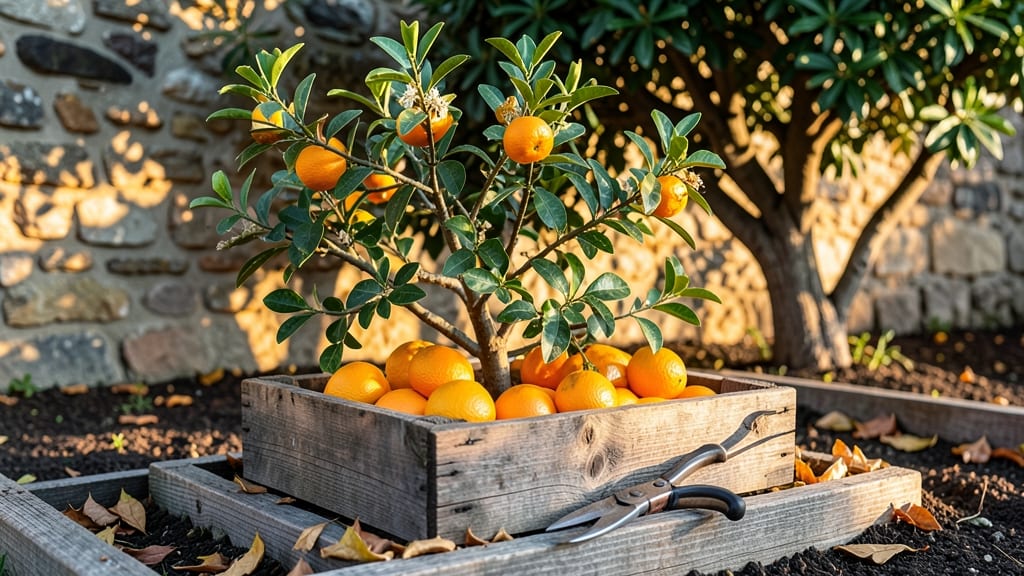
Tangerine season in the U.S. runs from late October through March, with peak sweetness typically between December and February, though Florida’s harvests begin as early as October and California’s peak arrives in January and February.
Tangerine season varies dramatically across the country due to climate zones and growing conditions.
Florida’s warm winters allow early harvests starting in October, while California’s cooler coastal regions produce peak crops in January and February. 🌱 These citrus trees thrive in USDA Zones 8-10, where frost-free conditions extend the growing window—frost can ruin crops overnight, so growers in northern regions often use protective measures.
The sweetest, juiciest tangerines usually appear in December, making it the prime month for holiday markets and grocery stores nationwide.
For the best flavor, look for firm fruits with bright orange skin and a slight give when gently squeezed. Stored properly at room temperature, tangerines can last up to two weeks, though refrigeration extends their freshness.
If you’re planning to stock up, aim for late December through January—this is when most U.S. regions hit their seasonal peak, offering the most consistent quality and value.
💡 In This Article
- How Climate Zones Affect Tangerine Harvest Timing
- Best Months to Buy Fresh Tangerines by Region
How climate zones affect tangerine harvest timing
Tangerine trees thrive in warm climates, specifically USDA Hardiness Zones 8-10, where winter temperatures rarely drop below 20°F. Florida’s Zone 9-10 climate allows early harvests as soon as October because the frost-free winters create ideal growing conditions.
In contrast, California’s coastal regions (Zone 8-9) experience cooler winters, delaying peak ripening until January and February. The key difference lies in chilling requirements—tangerines need 200-300 hours below 45°F to properly set fruit, but too much cold can damage trees.
Frost is the biggest threat to tangerine crops. A single hard freeze (28°F or lower) can destroy blossoms or ripening fruit overnight. Growers in Florida’s northern regions use wind machines and sprinkler systems to raise temperatures by 5-10°F during frost warnings.
California’s inland valleys face similar risks, but their Mediterranean climate often provides more stable conditions. Microclimates also play a role—coastal areas like San Diego stay milder than inland regions, allowing earlier harvests in some pockets.
Temperature thresholds matter beyond frost. Tangerines ripen best when daytime temps stay between 75-85°F and nights drop to 55-65°F. Too much heat above 90°F can cause sunburn on the fruit’s skin, while prolonged cold below 50°F slows sugar development.
Florida’s warm winters accelerate ripening, while California’s cooler coastal areas create a slower, more controlled process—resulting in sweeter, more flavorful fruit during peak months.
Regional variations extend beyond temperature. Florida’s sandy soils drain quickly, while California’s loamy soils retain moisture better. These differences affect fruit size and sweetness—Florida’s early-season tangerines tend to be smaller but packed with juice, while California’s later harvests produce larger, sweeter varieties like the famous Satsuma.
The timing of rainfall also matters: too much water before harvest can dilute sugar content, while drought stress can concentrate flavors but reduce yield.
Here’s how these factors translate to your grocery store experience: Florida’s October-November harvests mean you’ll find early-season tangerines first, while California’s January-February peak delivers the largest selection. Texas and Arizona (Zones 8-10) contribute smaller but significant harvests, often overlapping with California’s timeline.
The result? A staggered national season where you can enjoy fresh tangerines from late October through March, with December being the sweet spot for both availability and flavor.
What most people don’t realize is how quickly tangerine trees respond to temperature shifts. A sudden cold snap can halt ripening for weeks, while an unseasonably warm spell can push fruit to maturity faster.
This explains why some years see earlier harvests or delayed peaks—it’s all about the weather patterns during the growing season. 🌡️