
Advice
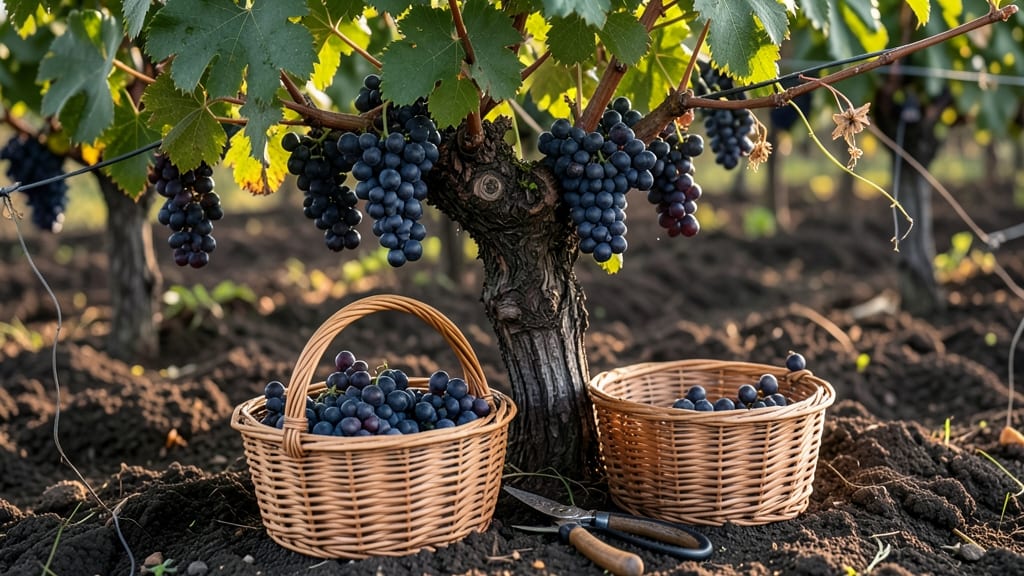
Grape season arrives between August and October in most regions, but the exact timing depends on your USDA zone and the type of grape you're growing.
Picture this: you're reaching for a cluster of plump, sun-ripened grapes 🍇, only to find they're still tart and underripe. Or worse, you wait too long and they shrivel on the vine. Timing is everything when it comes to harvesting grapes at their peak flavor and sweetness.
Climate plays a huge role—warmer zones like California's Central Valley enjoy a longer harvest window, while cooler areas in the Pacific Northwest may see grapes ripening a month earlier. Even within the same zone, different varieties (like early-season Concord or late-season Muscadine) will have distinct harvest times.
In this guide, I’ll break down the exact months for your zone, teach you the 5 key signs of ripe grapes, and share tips for extending your harvest season—so you never miss the sweet spot again.
Grape season by USDA zone: exact months for peak harvest
Grape harvest timing varies dramatically across the United States, influenced by USDA hardiness zones and regional climates. In California’s Zone 9-10, grapes may ripen as early as June for early varieties, while Pacific Northwest growers in Zone 7-8 often wait until September or October.
Understanding your zone’s peak harvest window ensures you don’t miss out on juicy, flavorful grapes—whether you’re growing table grapes, wine grapes, or raisin varieties.
For home gardeners, knowing these windows helps with pruning schedules, fertilization timing, and even pest management. Late-season frosts in Zone 4-5 can delay harvests until late September or October, while Southern growers in Zone 8-11 may enjoy multiple harvests throughout the summer.
Let’s break down the exact months for each zone and variety type.
In Zones 3-4, where winters are harsh, early varieties like Concord and Niagara are your best bet for a reliable harvest. These cold-hardy grapes ripen between late August and early September, giving you just enough time before the first frost.
If you’re in Zone 5-6, you’ll likely see grapes ready for picking from mid-August through October, depending on the
How to tell when grapes are ripe: 5 key signs for perfect picking
Picking grapes at the right moment transforms your harvest from good to exceptional. But how do you know when those plump clusters are ready? Unlike some fruits, grapes don't ripen after picking, so timing is everything.
I’ve learned the hard way—overripe grapes turn mushy, while underripe ones lack sweetness and depth of flavor. Let me break down the five foolproof signs to determine peak ripeness, so you never miss the window again.
First, consider your grape variety. Different types ripen at different times—early varieties like Thompson Seedless may be ready in late summer, while late-season Concord grapes could linger until early fall. Even within the same vineyard, clusters can ripen at slightly different rates.
That’s why relying on a single method isn’t enough. You’ll need to combine visual cues, tactile tests, and even a little science to get it right.
Grapes change from pale green or dull hues to vibrant deep purple, red, or golden tones. For green varieties like Thompson Seedless, look for a rich, yellow-green shade.
Use a refractometer to test sugar content. Ideal Brix levels range from 18-24, depending on the variety. Table grapes should hit 15-18 Brix, while wine grapes often need 22-24 Brix for full flavor.
Squeeze a grape gently—if the seeds inside feel soft and slightly mushy, it’s ready. Hard seeds mean the grape needs more time on the vine.
Gently pull a grape cluster—if it detaches easily from the stem without tearing, it’s ripe. If it resists, wait a few days.
Ripe grapes release a noticeable sweet fragrance. Take a whiff near the cluster—if it smells rich and fruity, it’s time to harvest.
Don’t overlook the impact of climate on ripening. Hot, dry summers can speed up the process, while cool, cloudy weather may delay it. In USDA zones 8-10, grapes often ripen earlier than in cooler zones like 5-7.
For example, California’s Central Valley grapes might be ready by late August, while those in the Pacific Northwest could stretch into September or October. Always check the forecast—unexpected rain or heatwaves can throw off your timing.
Once you’ve confirmed ripeness, act quickly. Grapes continue to ripen on the vine but can also start to spoil if left too long. Harvest on a cool, dry morning to preserve quality. Use clean pruners or scissors to avoid damaging the clusters, and handle them gently to prevent bruising.
Store harvested grapes in a cool, shaded place (not the fridge!) for up to a week if you’re not eating them right away.
Pro tip: If you’re unsure, pick a few clusters early and taste-test them. Your palate is the ultimate judge—if they’re sweet, juicy, and flavorful, you’ve nailed it.
If they’re still tart or mealy, give them another week. With these five key signs, you’ll never second-guess your grape harvest again. 🍇