
Planting
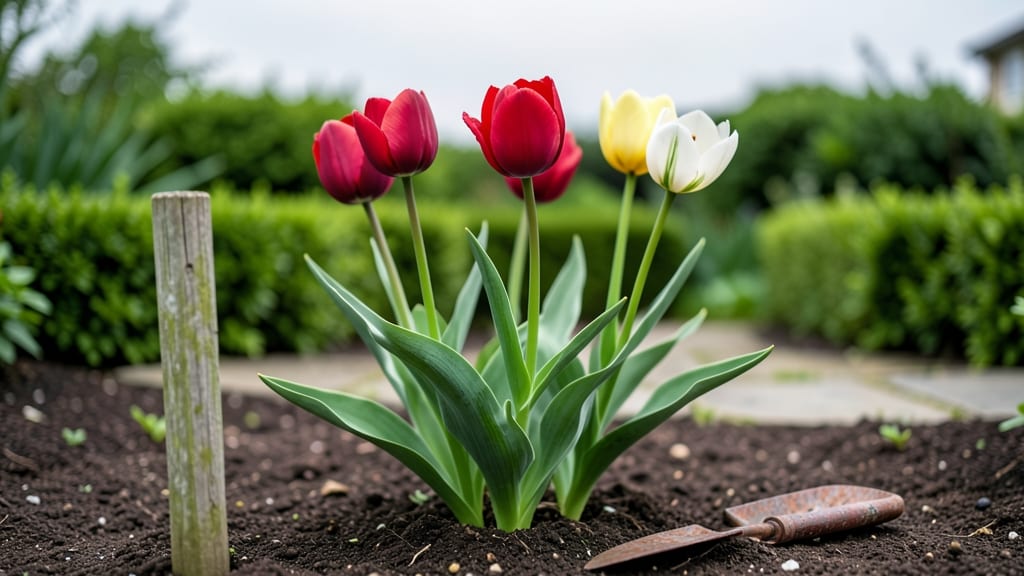
Tulip season in Texas runs from late February through early April, with the most vibrant displays in North Texas cities like Dallas-Fort Worth and the scenic Hill Country. Cooler areas like the Panhandle often see tulips bloom slightly earlier, around late January to February.
Texas's tulip season timing depends heavily on regional climate variations, with cooler northern areas like Dallas and Fort Worth offering the most reliable blooms during this peak window. 🌸 The Hill Country's elevation and microclimates can sometimes push blooms into early April, while West Texas gardens may need to plant frost-resistant varieties to ensure timely flowering.
Many Texas gardeners strategically plant tulip bulbs in fall to take advantage of these regional bloom windows, often pairing them with other spring flowers like daffodils and crocuses for extended seasonal color.
For the best viewing experiences, plan visits to established gardens like the Dallas Arboretum (typically peaking in March) or the Fort Worth Botanic Garden's Japanese Garden (known for its early spring displays).
These locations often host special tulip festivals that coincide with bloom peaks, making them ideal destinations for both locals and visitors planning seasonal trips.
💡 In This Article
- How Texas Climate Affects Tulip Blooming Times
- Top Texas Locations for Tulip Viewing with Exact Timelines
How Texas climate affects tulip blooming times
Texas's tulip blooming windows vary dramatically by region because of its diverse climate zones. The state spans from humid subtropical in the east to arid desert in the west, with elevation changes creating microclimates that influence bloom timing.
Tulips thrive in temperatures between 40-65°F during their growing season, which is why North Texas cities like Dallas and Fort Worth—with their cooler winters—typically see peak blooms in late February through March. These areas experience 100-150 frost-free days, providing the ideal balance for tulip development.
The Hill Country's higher elevation (often 1,000-2,000 feet) creates cooler nights that can delay blooming until early April, while West Texas gardens face additional challenges from limited water availability and hotter days.
In contrast, the Panhandle's cooler climate allows some varieties to bloom as early as late January, making it Texas's first tulip hotspot. 🌸 The key factor is consistent chilling during dormancy—tulips need 12-16 weeks below 50°F to properly develop, which explains why southern Texas gardens often struggle with reliable blooms without special varieties.
Gardeners can strategically extend tulip seasons by selecting varieties with different bloom times. Early bloomers like 'Early Harvest' tulips may appear in February, while late varieties like 'Darwin Hybrid' tulips often peak in April.
Planting bulbs in October-November gives them time to establish roots before winter, while mulching with 2-3 inches of organic material helps regulate soil temperature. In hotter regions, shade cloth during peak summer heat can prevent premature dormancy, allowing bulbs to store energy for next season's blooms.
Water availability plays a surprising role—tulips need 1-1.5 inches of water per week during active growth but can't tolerate soggy soil. Texas's variable rainfall means gardeners often rely on drip irrigation systems to maintain consistent moisture without overwatering.
The combination of proper chilling, water management, and variety selection can shift bloom windows by 2-4 weeks, helping Texas gardeners enjoy tulips from January through May in carefully managed gardens.
What most people don't realize is that Texas's tulip season isn't just about timing—it's about the right balance of heat and cold. The state's USDA Plant Hardiness Zones 7-9 create challenges for traditional Dutch tulips, which often need Zone 5-6 conditions.
This is why many Texas gardens now focus on hybrid varieties developed for warmer climates, like the 'Parrot' or 'Fosteriana' tulips, which tolerate higher temperatures and still produce stunning blooms.
For those planning seasonal trips, understanding these climate patterns helps set realistic expectations. A garden in Dallas might have tulips ready by March 1, while one in Austin could see its peak 2-3 weeks later.
The Hill Country's elevation creates its own microclimate where gardens often bloom 7-10 days earlier** than their lower-elevation neighbors, making it worth the drive for early spring color.