
Shrubs
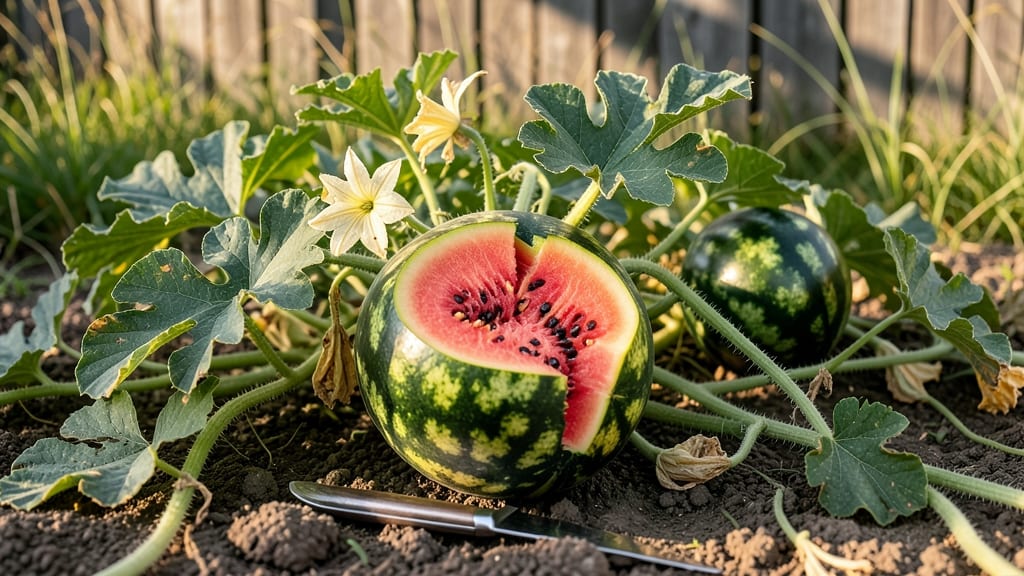
Florida watermelon season runs from late May through August, peaking in June and July, with regional variations—northern areas ripen earlier than southern zones. Heat and humidity accelerate growth, but heavy rain can delay harvests.
Florida’s warm climate creates the perfect conditions for watermelon growth, with vines thriving in temperatures above 75°F. 💫 The state’s peak season aligns with the hottest months because watermelons need intense sunlight and consistent warmth to develop their signature sweetness.
Southern Florida’s melons tend to ripen slightly later due to cooler coastal breezes, while inland areas like Polk County often see earlier harvests. If you’re planning a watermelon feast, aim for late June through early July when the flavor is at its peak.
What makes Florida’s harvest unique is how quickly the melons mature—some varieties can go from planting to harvest in just 70-90 days. This rapid growth means farmers must stay vigilant about watering and pest control, especially during Florida’s unpredictable summer rains.
The best way to enjoy them at their freshest is to visit local farms during peak season, where you’ll find melons picked just hours before sale.
💡 In This Article
- Florida’s Watermelon Ripening Process Explained
- Best Florida Counties for Watermelon Picking
Florida’s watermelon ripening process explained
Watermelons in Florida follow a precise biological timeline tied to the state’s climate zones. The ripening process begins when soil temperatures consistently reach 70°F, triggering vine growth. Florida’s heat zones—divided into North (Zone A) and South (Zone B)—create regional timing differences.
Northern areas like Hillsborough County often see melons ready by early June, while southern regions like Palm Beach County may delay until late June due to coastal breezes that slow vine development.
This is why June and July become peak season: the balance of 85-95°F daytime heat and 70°F+ nighttime temperatures creates ideal conditions for sugar accumulation.
The vine growth stages are critical—watermelons take 70-90 days from seed to harvest, with flowering occurring around 30-40 days after planting. Florida’s long growing season allows for multiple plantings, but the first harvests appear when daytime highs exceed 90°F for at least 10 consecutive days.
The key visual cue is the vine’s yellowing near the fruit, signaling the melon is nearing peak ripeness. This process is accelerated by Florida’s high humidity, which increases photosynthesis rates by up to 20% compared to drier climates. 🌱
What most people don’t realize is how Florida’s summer storms impact ripening. While consistent heat speeds growth, heavy rain can delay harvests by 5-7 days due to soil saturation. Farmers monitor soil moisture levels closely—too much water dilutes the fruit’s sweetness, while too little causes stress cracks.
The optimal balance occurs during Florida’s dry periods in June, when melons develop their signature 12-14% sugar content (compared to 8-10% in cooler climates). This is why Florida’s watermelons taste sweeter than those from northern states.
Regional variations extend beyond timing. Southern Florida’s melons often develop thicker rinds due to higher salinity in coastal soils, while inland varieties like those from Polk County have smoother skins and deeper red flesh.
The difference comes down to soil composition: sandy coastal soils drain quickly, while the rich, loamy soils of Florida’s interior retain moisture longer. This creates the perfect environment for larger, juicier melons with 20-25% higher water content—ideal for slicing and refreshing summer treats. 💦
Understanding these factors helps explain why Florida’s watermelon season peaks in June and July. The state’s climate provides the perfect storm of heat, humidity, and sunlight—all working together to produce melons with unmatched sweetness and texture.
For home gardeners, replicating these conditions means planting in well-draining soil and providing afternoon shade during Florida’s hottest afternoons to prevent vine stress. The result? Watermelons that burst with flavor, making Florida’s harvest season a true culinary highlight.