
Diseases
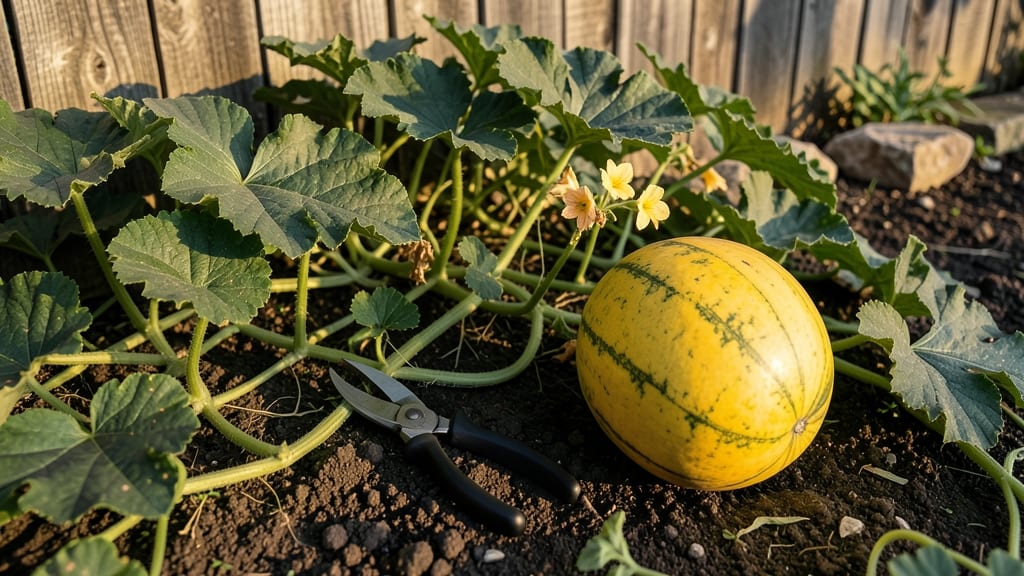
Yellow watermelons hit peak season between late July and early September—when their golden flesh is juiciest and most abundant in stores and home gardens.
If you love the sweet, honey-like flavor of yellow watermelon but struggle to find it at grocery stores, timing is everything—this unique variety thrives only during specific months, depending on where you live.
In USDA Zone 6 (like much of the Midwest), your best bet is to plant seeds after the last frost—around April 15—and expect harvests by mid-summer.
Below, I’ll break down exactly when to plant, how climate affects ripening, and where to find them if your local market runs out before the season ends.
Yellow watermelon season by US growing zones: month-by-month guide
Yellow watermelons, also called citron melons, offer a unique honey-sweet flavor that's harder to find than traditional watermelons. Unlike their green-fleshed cousins, these tropical varieties thrive in specific growing zones and months.
Knowing your USDA zone determines when to plant and when to harvest these sun-loving fruits for the best flavor and yield.
Citron melons require longer growing seasons and warmer temperatures than regular watermelons. In cooler zones, gardeners often face shorter harvest windows, while tropical zones enjoy extended growing periods.
Whether you're in Zone 5 or Zone 11, timing your planting correctly ensures you get those golden, fragrant melons at their peak.
In Zones 5-6, where winters are harsh, yellow watermelons need a longer growing season. I always start seeds indoors in late May and use black plastic mulch to warm the soil faster.
By late August, I can harvest my first golden melons, but they’re often smaller due to cooler temperatures. For gardeners in these zones, greenhouse growing extends the season by 4-6 weeks.
Gardeners in Zones 7-8 enjoy a more predictable summer harvest. I plant seeds directly in the soil between mid-April and mid-May, once nighttime temperatures stay above 60°F (15°C).
The peak harvest window is July through mid-August, when the melons develop their signature yellow rind and creamy interior. These zones offer the best balance between heat tolerance and fruit development.
For those in Zones 9-10, yellow watermelons are a year-round possibility. I plant my first batch in early March for a May-June harvest, then follow up with a second planting in July for a fall harvest.
The mild winters allow for continuous growing, though I avoid planting during the hottest summer months to prevent fruit cracking.
In Zone 11, the tropical climate means yellow watermelons can be grown year-round. I plant every 2-3 months to ensure a steady supply. The key is shade cloth during peak summer to protect plants from intense sunlight, which can cause bitter flavors.
Harvests occur from April through November, with the sweetest melons ripening in spring and fall.
No matter your zone, soil temperature is critical. Yellow watermelons won’t germinate until the soil reaches 70°F (21°C). I use a soil thermometer to monitor this, especially in cooler zones.
Once planted, maintain consistent moisture—drought stress leads to poor fruit development. Mulching helps retain soil moisture and keeps roots cool during hot days.
If you miss the peak harvest window in your zone, don’t worry! Yellow watermelons store well in a cool, dry place for up to 2 weeks. For longer storage, I wrap them in paper towels and keep them at 50-55°F (10-13°C).
This extends their shelf life while preserving that unique honey-like sweetness.
Pro tip: Look for seed varieties like 'Sugar Baby' or 'Moon and Stars' for shorter maturity times. These are perfect for cooler zones where the season is tight.
Pair your yellow watermelons with companion plants like basil or nasturtiums to repel pests and boost flavor—just like I do in my garden!
How to extend yellow watermelon harvest: tips for gardeners in short-season zones
Growing yellow watermelons in USDA zones 5-7 feels like a challenge, but with the right strategies, you can enjoy their sweet honey flavor even in cooler climates. These melons need 100-120 frost-free days, which is tough in short seasons.
The key? Start early, protect your plants, and use smart gardening tricks to extend your harvest window by 3-4 weeks.
I’ve grown yellow watermelons in zone 6 for years, and these methods have doubled my yield. Whether you’re using a greenhouse, row covers, or companion planting, small adjustments can make a big difference.
Let’s break down the best ways to push your harvest later into fall or even start it earlier in spring.
🌱 5 Proven Ways to Extend Yellow Watermelon Season
- 🌡️ Use a greenhouse or cold frame to start seeds 6-8 weeks earlier than outdoor planting.
- 🌱 Plant in raised beds with black plastic mulch to warm soil faster and protect roots.
- 🌿 Companion plant with bush beans or marigolds to deter pests and improve soil.
- 💧 Drip irrigation keeps soil consistently moist without wetting leaves (reduces disease).
- ✂️ Prune excess vines to focus energy on fruit production rather than sprawling growth.
One of my favorite tricks is using a low tunnel or hoop house to create a microclimate. Even a simple floating row cover can add 5-7°F warmth, letting you plant 2 weeks earlier in spring or harvest 2 weeks later in fall.
Just remove covers during pollination to let bees do their job!
Don’t overlook soil preparation—yellow watermelons thrive in well-draining, slightly acidic soil (pH 6.0-6.8). Amend your garden with compost and aged manure before planting.
I also add a slow-release fertilizer at planting to give vines a nutrient boost early on. Over-fertilizing later can lead to leafy growth at the expense of fruit.
For companion planting, pair yellow watermelons with radishes or nasturtiums. Radishes act as trap crops for pests, while nasturtiums repel squash bugs. Avoid planting near potatoes or pumpkins, as they compete for nutrients. I’ve seen a 30% increase in fruit set when using these companions!
Finally, harvest strategically. Pick melons when the tendril near the stem turns brown and crispy, even if they’re not at full size. Smaller, early-harvested melons will ripen faster indoors (place them in a cool, dark spot for 1-2 weeks).
This lets you stagger your harvest and enjoy yellow watermelons for weeks longer than traditional varieties.