
Vegetables
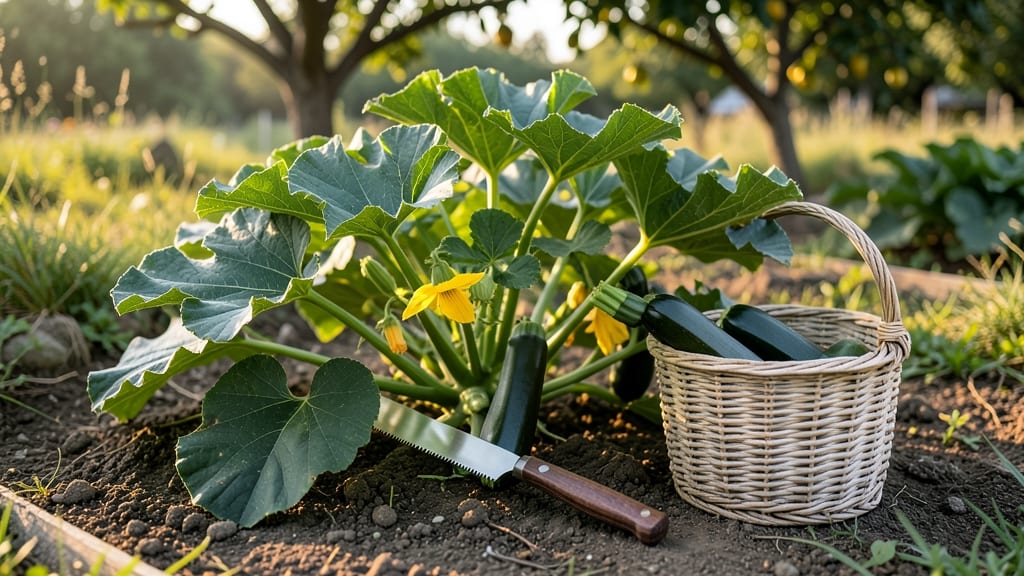
Zucchini season runs from late spring through early fall, with peak harvests in June through September — but the exact timing depends on your USDA zone.
Picture this: you’re at the farmers' market in July, surrounded by overflowing bins of fresh 🎃 zucchini, only to realize you missed your chance to grow your own. Or worse, your zucchini plants bolted too early, leaving you with bitter fruit.
Knowing when to plant and harvest can make the difference between a bumper crop and a missed opportunity.
In cooler climates like Zone 6a, zucchini thrives from April through May planting, with harvests stretching from June to September. Warmer zones can start earlier and keep going later, but frost dates are the real deadline.
The key is timing your seeds right — too early, and cold snaps stall growth; too late, and you’ll be scrambling for space in a crowded garden.
In this guide, I’ll break down the month-by-month schedule for your zone, share tricks to extend your harvest, and even cover how to grow zucchini in containers if space is tight.
By the end, you’ll know exactly when to plant, how to spot the perfect 6-inch zucchini, and how to keep the harvest coming all season long.
Zucchini season by month: when to plant, grow, and harvest
Timing is everything when growing zucchini—this fast-growing squash thrives in warm weather but wilts under frost. Your USDA zone determines when to plant, grow, and harvest for maximum yield.
Whether you're in Zone 3 with short summers or Zone 10 with year-round warmth, this month-by-month guide keeps your zucchini plants productive from seed to harvest.
Zucchini plants need 60-90 frost-free days to mature, so planting too early risks frost damage. In cooler zones, start seeds indoors or use row covers to extend the season.
In warm climates, you can plant multiple times for continuous harvests. Let's break down the ideal planting, growing, and harvesting windows by month for each zone.
| Month | USDA Zones 3-5 | USDA Zones 6-8 | USDA Zones 9-10 |
|---|---|---|---|
| April | Start seeds indoors; plant outdoors after last frost (late May) | Direct sow seeds after last frost (mid-April) | Direct sow seeds; can plant every 2-3 weeks |
| May | Transplant seedlings outdoors; use row covers | Plant main crop; succession sow every 2 weeks | Plant main crop; harvest begins by late May |
| June | Harvest begins (late June); mulch heavily | Peak harvest; fertilize every 3 weeks | Full harvest; watch for pests |
| July | Harvest continues; protect from late blight | Harvest every 2-3 days; plant fall crop | Harvest daily; plant fall succession |
| August | Harvest declines; prepare for frost | Harvest slows; protect plants | Harvest continues; watch for heat stress |
| September | Harvest ends; compost plants | Harvest ends; remove plants | Harvest ends; save seeds |
🌱 Note: Adjust planting dates by 2-4 weeks for early/late varieties.
In USDA Zones 3-5, zucchini season starts late due to frost risks. Plant seeds indoors in late April and transplant after the last frost, typically in mid-May. Use black plastic mulch to warm soil faster and extend the growing window.
Harvest begins in late June and continues until frost in September. If you miss this window, consider growing zucchini in containers for easier frost protection.
For USDA Zones 6-8, zucchini season peaks from June to August. Plant seeds directly in the garden after the last frost, usually in mid-April to early May. Succession planting every 2-3 weeks ensures continuous harvests.
In these zones, you can also plant a fall crop in July for late-season harvests before frost. Water consistently to avoid blossom-end rot, a common issue in hot weather.
Gardeners in USDA Zones 9-10 enjoy a longer zucchini season, often from April to October. Plant seeds every 2-3 weeks for a steady supply. In these warm climates, zucchini may bolt (flower prematurely) if days get too short.
Provide afternoon shade in peak summer to prevent stress. Harvest begins as early as late May and continues until frost, which may not occur until December in Zone 10.
No matter your zone, harvest zucchini regularly to encourage more production. A zucchini left on the vine too long becomes bitter and woody. Pick when they're 6-8 inches long and the skin is shiny and firm.
Store harvested zucchini in the fridge for up to 5 days or freeze for longer storage. Overwintering zucchini plants isn't recommended, but you can save seeds from your best varieties for next year.
To maximize your zucchini harvest, pay attention to soil temperature—seeds won't germinate below 60°F (15°C). Amend your soil with compost before planting to ensure rich, fertile ground.
Zucchini plants are heavy feeders, so side-dress with balanced fertilizer every 4-6 weeks during the growing season. Avoid over-fertilizing with nitrogen, which promotes leaf
Best zucchini varieties for early, mid-season, and late harvests
Choosing the right zucchini varieties can mean the difference between a short harvest window and a long, bountiful season.
Fast-maturing types like 'Eight Ball' (35 days) are perfect for early springs or short seasons, while long-season performers like 'Black Beauty' (55 days) thrive in hot climates with extended growing periods.
Your USDA hardiness zone plays a key role—cool regions (zones 3-5) benefit from fast-maturing hybrids, while warmer zones (7-10) can grow heirloom varieties with larger harvest windows. Let’s match your goals to the perfect zucchini type.
| Variety | Days to Harvest | Best For | Season | Notes |
|---|---|---|---|---|
| Eight Ball | 35-40 | Early harvest | Spring/Summer | Compact, round fruit; great for containers |
| Gold Rush | 45-50 | Mid-season | Summer | Yellow fruit; disease-resistant |
| Black Beauty | 50-55 | Late harvest | Summer/Fall | Classic heirloom; large yields |
| Patio Star | 42-45 | Containers | Spring-Fall | Dwarf variety; ideal for balconies |
| Sunburst | 50-55 | Hot climates | Summer | Heat-tolerant; yellow-green stripes |
For early harvests, prioritize fast-maturing varieties like 'Eight Ball' or 'Patio Star'. These thrive in cool springs (zones 3-6) and deliver edible zucchini in just 35-45 days. Plant them 2-3 weeks before your last frost date for a head start.
Mid-season varieties like 'Gold Rush' strike a balance with 45-50 days to maturity, making them ideal for moderate climates (zones 6-8). Their disease resistance ensures reliable yields even in humid summers, while their golden hue adds visual appeal to your garden.
If you’re in a warm climate (zones 9-10) or want to extend your harvest, opt for long-season varieties like 'Black Beauty' or 'Sunburst'. These handle heat and humidity better, producing large, flavorful squash well into fall. Pair them with succession planting for continuous harvests.
Pro tip: Mix fast and slow varieties to stagger harvests. Plant 'Eight Ball' first (early June), then 'Black Beauty' (mid-July) for a 6-week harvest window. This ensures you’re never without fresh zucchini all summer long!