
Orchid Care
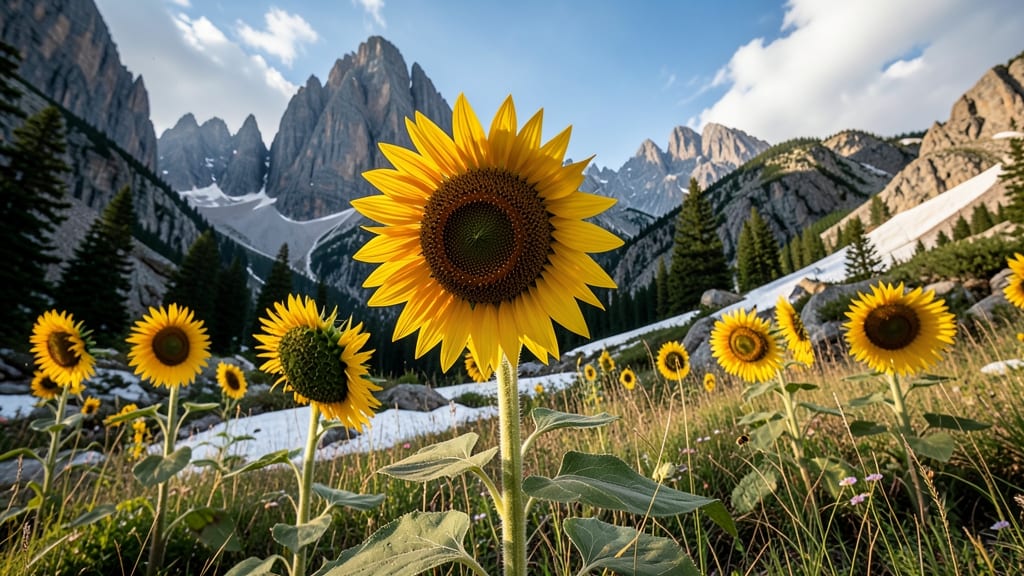
Sunflower season transforms landscapes into golden canvases while supporting bees, butterflies, and birds. Discover the precise months for peak blooms in your region and unlock the magic of pollinator-friendly gardening.
Sunflower Season in Southern United States
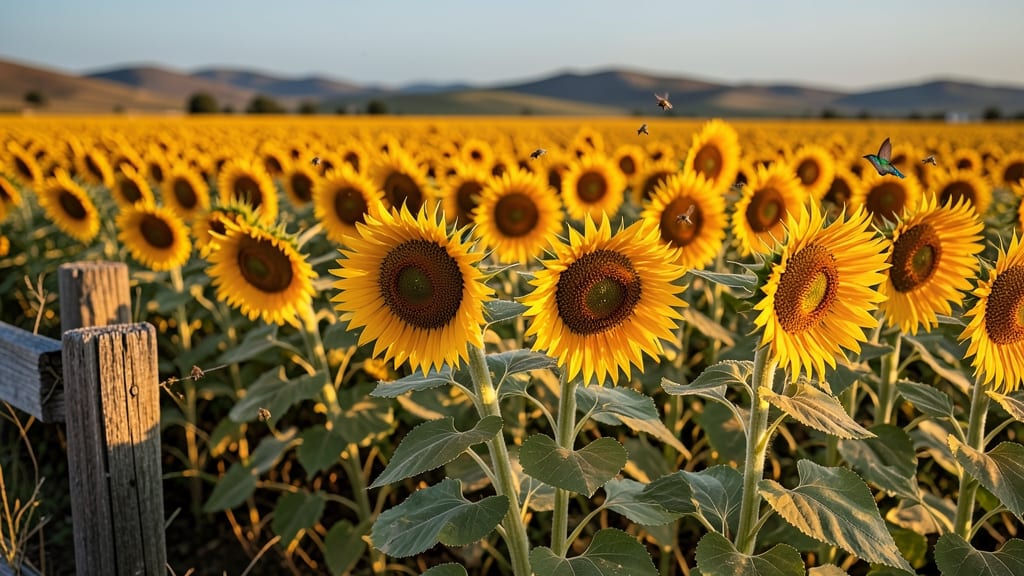
If you live in the Southern United States, your sunflower season isn’t just a fleeting summer highlight—it’s a five-month golden celebration from May through October. This extended blooming window makes Southern gardens a haven for pollinators and a treasure trove for late-season birdseed harvests.
Plant early varieties like 'Teddy Bear' in March for May blooms, then follow with mid-season types like 'Autumn Beauty' for continuous color. Southern gardeners can also save seeds from late-season blooms (September-October) for birdseed—simply dry the heads, shake out seeds, and store them for winter feeders. The humid heat actually benefits sunflowers here, as long as you space plants 12-18 inches apart for airflow.
This long season is perfect for pollinator gardens, urban farmers, and wildlife enthusiasts. With the right varieties, you can enjoy year-round benefits from a single planting. 🌻
Sunflower Season in Northern California
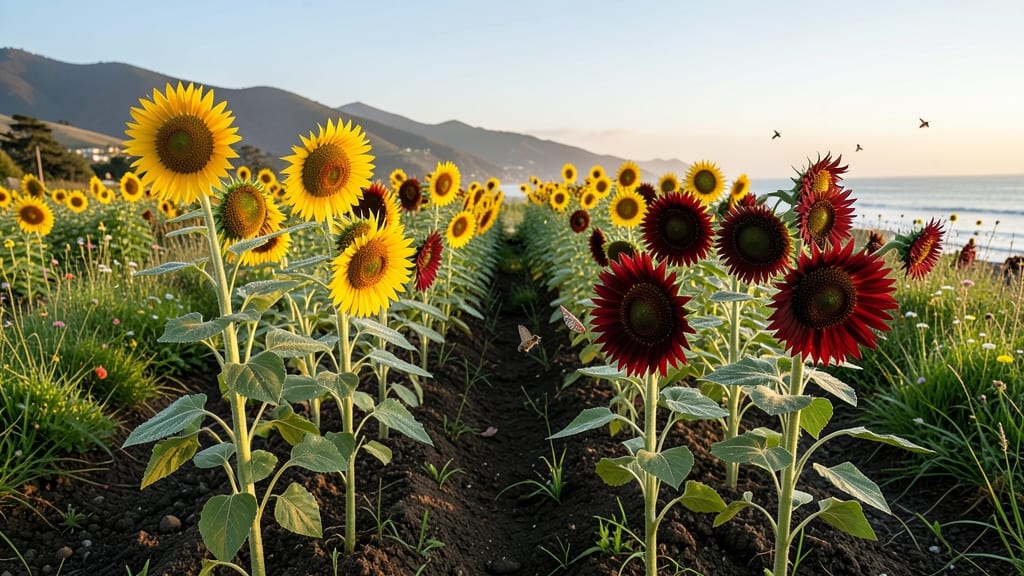
Skip the summer sunflower rush—coastal Northern California gardeners can enjoy bright blooms as early as March, turning spring into a pollinator paradise. This mild-winter advantage lets you plant dwarf varieties like 'Teddy Bear' or 'Moulin Rouge'**
Direct-sow seeds in late winter (February-March) for blooms by April, when most regions are still frost-priced. These early sunflowers thrive on 3-6 hours of sun and need minimal water once established—ideal for drought-conscious coastal gardens. Plus, their compact size (2-4 feet tall) makes them perfect for small spaces or container growing.
This spring window gives bees and butterflies a crucial early food source while your garden stays vibrant. Perfect for urban gardeners and those craving instant color! 🌻
Sunflower Season in Midwest United States
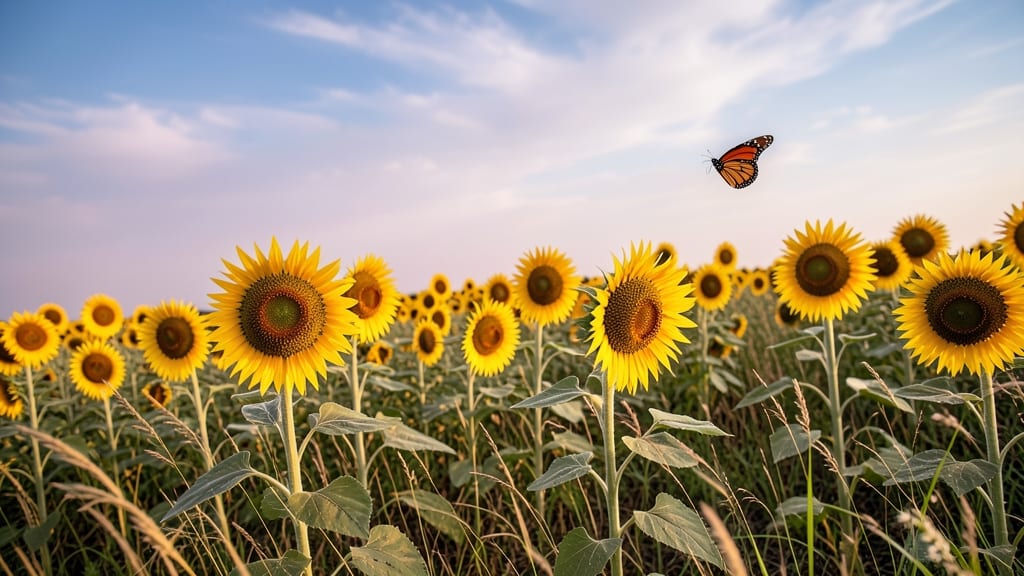
Timing your sunflower planting for July-August blooms in the Midwest isn’t just about golden fields—it’s about creating a lifeline for monarch butterflies during their critical migration. This peak aligns perfectly with their journey, offering nectar when other flowers are fading.
Plant early-maturing varieties like ‘Mammoth’ or ‘Autumn Beauty’ in late May for blooms by mid-July. Space stalks 12-18 inches apart to ensure strong stems that support both bees and butterflies. Deadhead spent blooms to encourage continuous nectar production through August, when monarchs need it most.
This is your chance to make a real difference—even small patches of sunflowers provide critical fuel for declining butterfly populations. Perfect for urban gardeners, schools, or rural plots, these easy-to-grow giants turn every yard into a pollinator highway. 🌻
Sunflower Season in Pacific Northwest
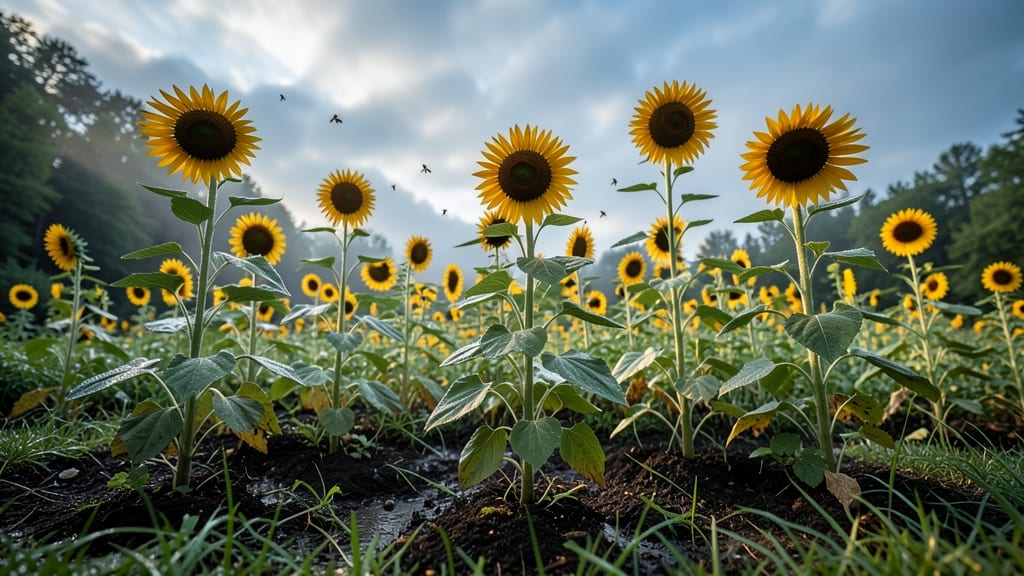
If you thought sunflowers only thrive in scorching summer heat, think again! The Pacific Northwest’s cooler, damp climate actually creates the perfect late-season bloom window from late June through September, making them a surprising star in Seattle and Portland gardens.
Choose dwarf varieties like 'Teddy Bear' or 'Moulin Rouge' for containers, or let giant 'Russian Giant' types reach their full 12-foot height in well-drained soil. The region’s mild summers extend the blooming period, giving pollinators like bees and hummingbirds a late-season feast when other flowers fade. Just ensure your plants get full sun (at least 6 hours daily) and stake taller varieties to handle occasional wind.
This extended season is a game-changer for urban gardeners and pollinator enthusiasts alike—sunflowers bring joy and sustenance long after spring blooms have vanished. 🌻
Sunflower Season in Texas Hill Country
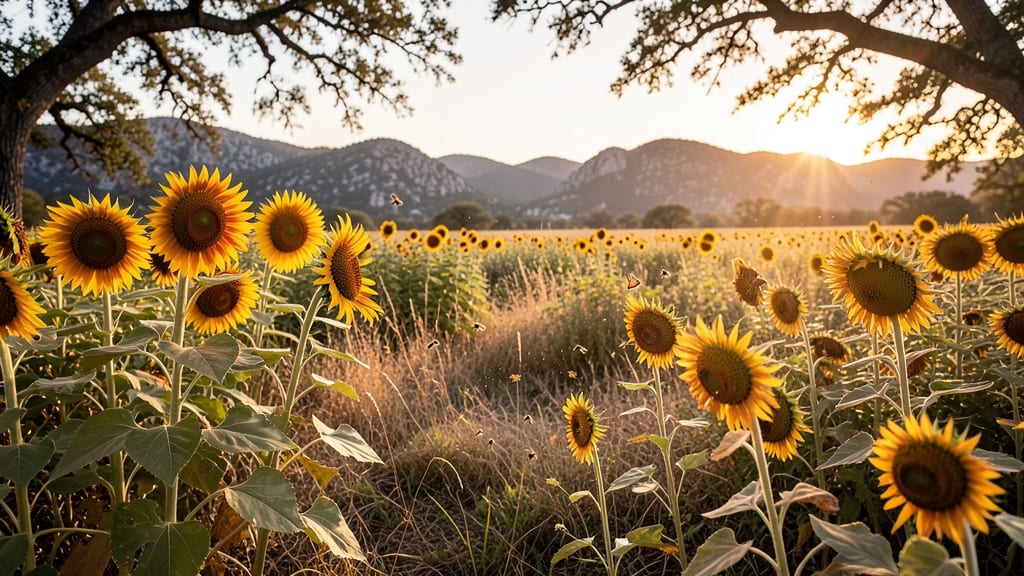
Double the sunflower joy in Texas Hill Country with a two-season blooming strategy that turns your garden into a pollinator paradise. Unlike single-season regions, Texas gardeners can enjoy vibrant blooms in both spring (April-May) and fall (September-October), creating a continuous feast for bees and butterflies.
For spring planting, choose early-maturing varieties like 'Autumn Beauty' or 'Moulin Rouge' to beat summer heat. In late summer, opt for heat-tolerant types such as 'ProCut' for long stems perfect for cut flower arrangements. Space plants 12-18 inches apart to ensure strong stalks and maximize pollinator access. This dual-planting approach also extends your harvest window for seed collection.
The Texas Hill Country's unique climate makes this the perfect region for cut flower farmers and pollinator enthusiasts alike. With the right timing, you can enjoy sunflowers year-round while supporting local ecosystems. 🌻
Sunflower Season in New England
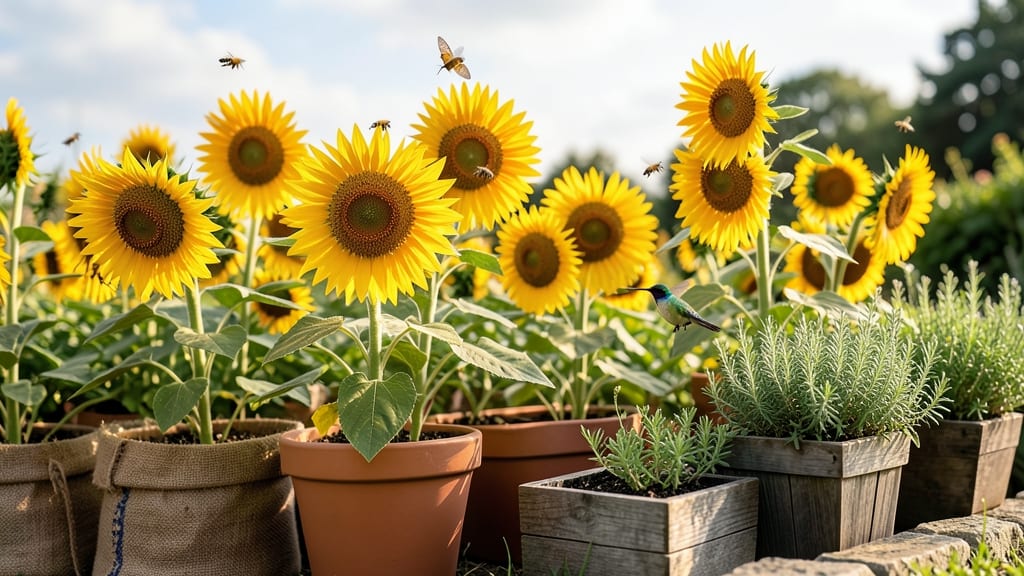
New England’s sunflower season is a fleeting but spectacular burst of color that transforms small gardens into pollinator hotspots. Unlike longer growing regions, New England’s July-August window is your chance to maximize impact—planting sunflowers in containers or tight spaces ensures you’ll still get a golden harvest before frost.
Choose dwarf varieties like 'Teddy Bear' or 'Moulin Rouge'** (18-36 inches tall) for containers, or let taller types like 'Russian Giant' reach their full height in garden beds. Plant seeds directly after the last frost date (typically mid-May) for blooms by early July, and deadhead spent flowers to extend the season. This short window is ideal for small-space gardeners—even a balcony with a single pot can attract bees and butterflies.
For those with limited ground space, sunflowers are the perfect solution—just provide 6 hours of sun and well-draining soil. Your efforts will reward pollinators just as they prepare for migration, making every bloom count. 🌻
Sunflower Season in Desert Southwest
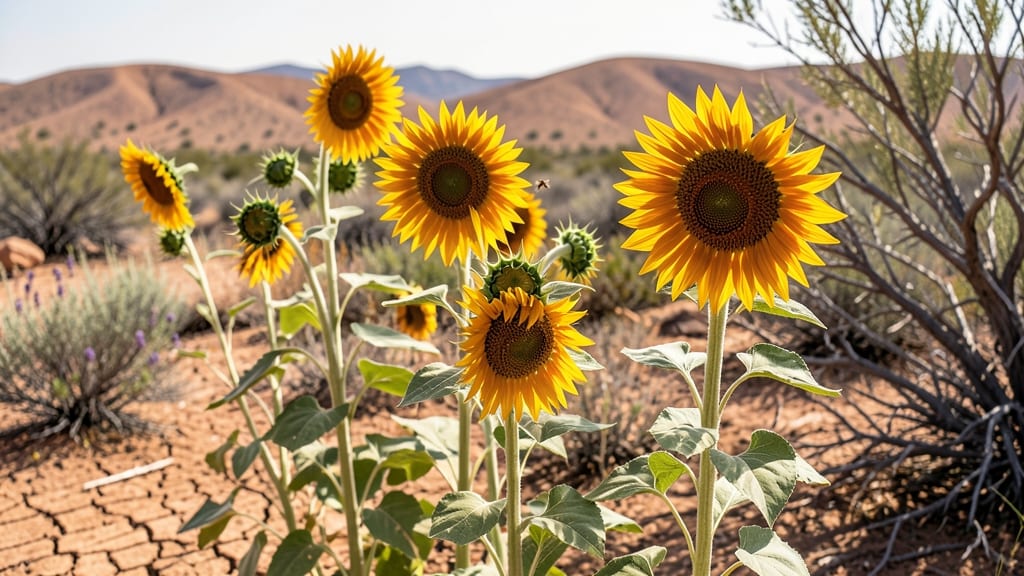
In Arizona and New Mexico, where blooms are rare and water is precious, sunflowers become a lifeline for pollinators—and your garden can thrive year-round with the right approach. Unlike other regions, these desert landscapes offer a unique opportunity to grow sunflowers in fall, winter, and even spring, breaking the traditional seasonal mold.
Start by selecting drought-tolerant varieties like 'Autumn Beauty' or 'Russian Mammoth,' which handle heat and require minimal water once established. Plant in well-draining soil with mulch to retain moisture, and water deeply two to three times per week during the first month, then taper to once a week. This strategy ensures your sunflowers support bees, hummingbirds, and roadrunners when few other flowers are blooming.
This approach isn’t just for experts—beginner gardeners in arid climates will love how sunflowers bring color and life to otherwise sparse landscapes. With a little planning, you can create a pollinator paradise that stands out in the desert. 🌻
Sunflower Season in Florida
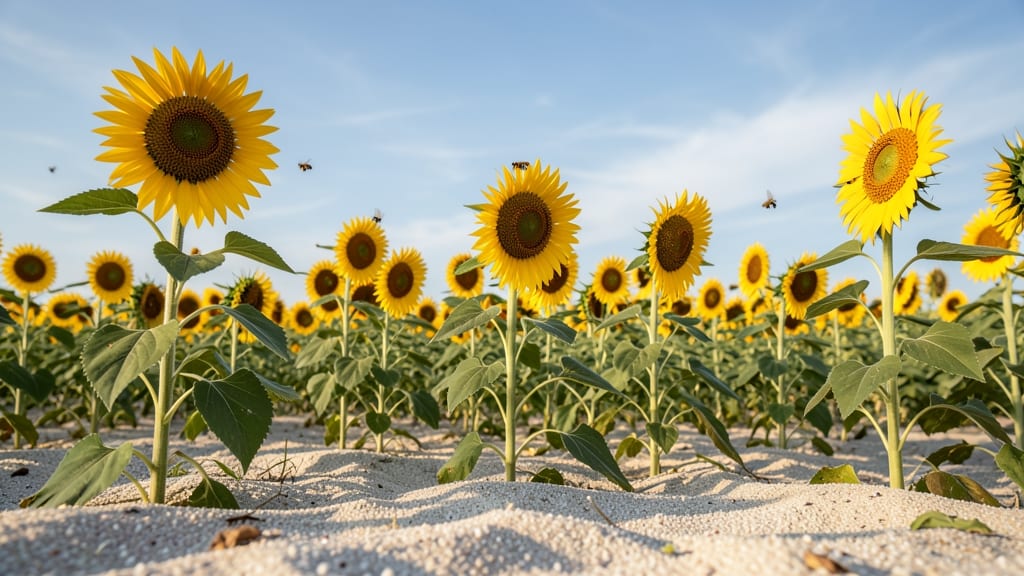
While many gardeners associate sunflowers with summer heat, Florida’s November-March blooming window offers a unique opportunity to support pollinators when most flowers have gone dormant. This cooler-season magic lets you grow sunflowers in sandy soil without competing with summer’s intense humidity.
Choose dwarf varieties like 'Teddy Bear' or 'Moulin Rouge'**—they thrive in Florida’s mild winters and produce vibrant blooms that attract butterflies and bees. Plant seeds after the first frost (usually late October) and space them 6-12 inches apart for optimal airflow. Water deeply once a week, as sandy soil drains quickly but retains enough moisture for sunflowers’ deep roots.
This seasonal shift makes sunflowers a low-maintenance pollinator powerhouse for Florida gardeners who want color without summer’s challenges. Perfect for beginners or urban spaces with sandy native soil! 🌻
Sunflower Season in Canada
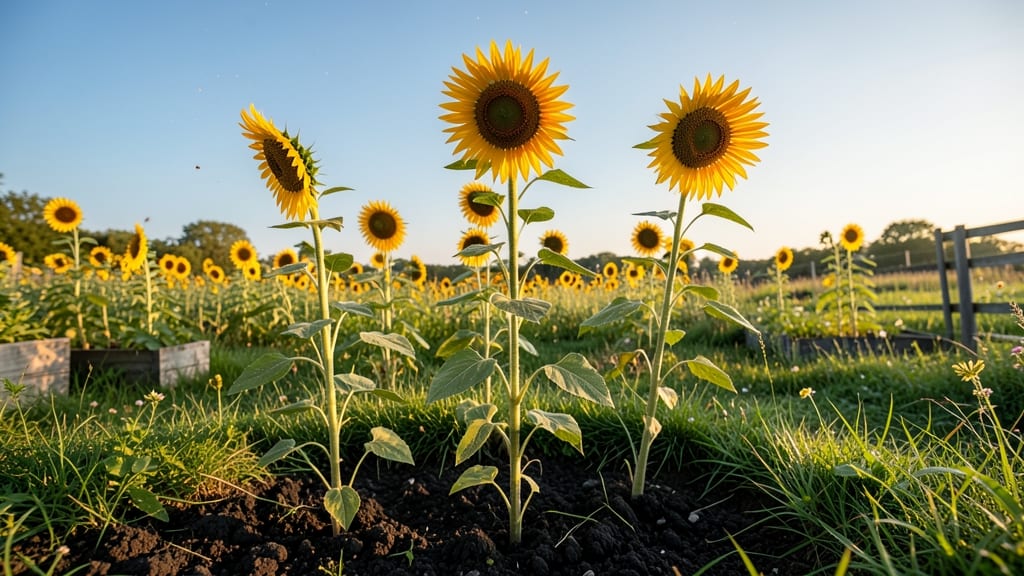
Canada’s sunflower season shines brightest in southern provinces like Ontario and Quebec, where June to August brings vibrant blooms—but timing is everything. With shorter daylight hours, gardeners must start seeds indoors by April 1 or plant outdoors by late May to maximize bloom time before frost.
Choose early-maturing varieties like 'Autumn Beauty' (85 days) or 'Moulin Rouge' (60 days) to ensure blooms appear before summer’s end. Sunflowers thrive in full sun (6+ hours daily) and well-drained soil, making them ideal for urban gardens or rural fields alike. Their tall stalks also provide shelter for pollinators like bees and butterflies.
This fleeting window is perfect for beginners or pollinator enthusiasts who want to make the most of Canada’s short growing season. 🌻
Sunflower Season in Alpine Regions

If you thought sunflowers only thrived in warm, flat landscapes, think again! In Colorado and Utah’s alpine regions, these cheerful blooms shine brightest from July through September, defying expectations with their high-altitude resilience. These cooler-climate varieties—like the ‘Russian Giant’—not only survive but thrive in elevations above 6,000 feet, where many gardeners assume only hardy perennials can grow.
For mountain gardeners, the key is planting after the last frost (typically late May) in well-draining soil enriched with compost. Sunflowers here grow slightly shorter than their lowland cousins but pack just as much pollinator punch, attracting hummingbirds, bees, and even rare mountain butterflies like the Mormon fritillary. Their deep roots also help stabilize soil on slopes, making them a dual-purpose powerhouse for erosion control.
This season is a game-changer for alpine gardeners who want year-round interest—even after blooms fade, the seed heads provide winter food for birds like pine siskins and goldfinches. Perfect for small homesteads or community gardens, these sunflowers prove that beauty and ecology can flourish at any elevation. 🌟