
Plants
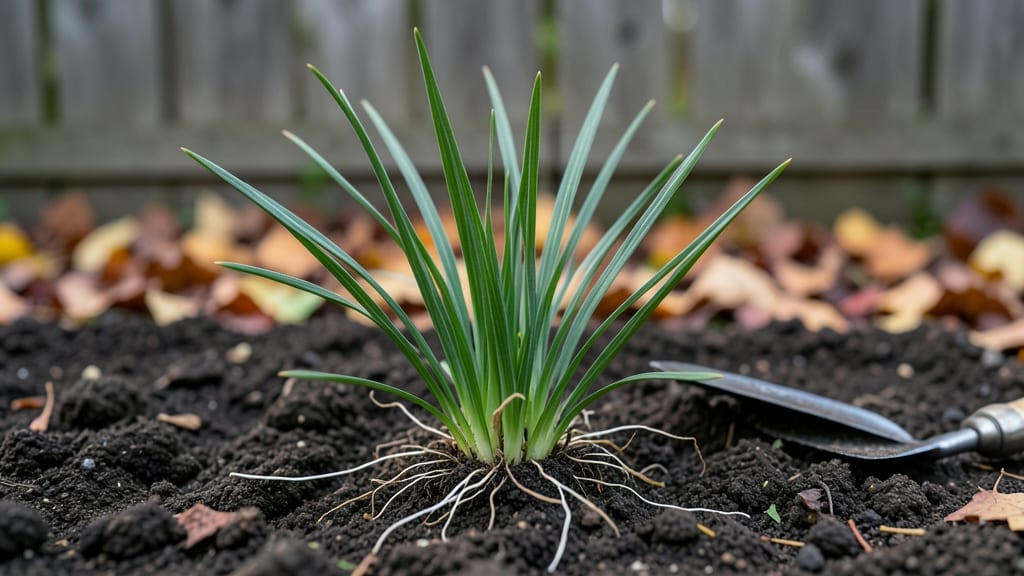
Planting cool season grass in spring when soil temperatures hit 50°F–65°F is the key to a lush lawn that survives summer heat.
Too early and frost will nip seedlings before they take root. Too late and the grass struggles to establish before the dog days arrive. The difference between a thin, patchy lawn and one that thrives all season often comes down to timing—and knowing when to act.
In USDA Zone 6a, like much of the Midwest, that window typically opens in early March, but regional variations mean checking your local frost dates is non-negotiable. A simple soil thermometer can tell you when conditions are just right for planting.
Below, I’ll walk you through the perfect planting timeline, how to prep your soil for success, and the early signs your grass is off to a strong start—so you can avoid the most common mistakes and get results that last.
Ideal soil temperature ranges for cool season grass germination in spring
Cool-season grasses like Kentucky bluegrass, tall fescue, and ryegrass thrive when planted at the right soil temperatures. The ideal range for germination is between 50°F and 65°F, where seeds sprout consistently without stress.
Below 50°F, growth slows dramatically, while above 65°F, seedlings risk heat shock or dormancy. Understanding this range helps you avoid common mistakes like planting too early (frost damage) or too late (summer stress).
Northern climates (USDA Zones 3–6) often see optimal temperatures in late April to early May, while southern zones (Zones 7–10) may hit the sweet spot as early as March.
Always check your local last frost date and adjust planting 4–6 weeks afterward. For example, in Zone 5, aim for soil temps of 55°F–60°F—this usually aligns with mid-April.
Here’s how to test soil temperature accurately without specialized tools. Use a digital meat thermometer (cleaned and sanitized) or a soil thermometer inserted 2–3 inches deep. For a DIY method, place a thermometer in a glass jar buried in the soil for 30 minutes—this mimics seed depth.
Record temps daily to track trends. Morning readings (between 8 AM and 10 AM) are most reliable since soil warms gradually.
Different cool-season grasses have slight variations in their ideal ranges. Perennial ryegrass germinates fastest at 60°F–65°F, while fine fescue prefers 50°F–55°F to avoid stress. Kentucky bluegrass falls in the middle at 55°F–60°F.
If you’re overseeding, mix varieties to extend your planting window—ryegrass can handle slightly warmer soils, while fescue tolerates cooler temps. This flexibility helps you adapt to unpredictable spring weather.
The summary table below breaks down optimal soil temps by grass type, regional adjustments, and key planting cues to watch for in your area.
| Grass Type | Optimal Soil Temp (°F) | Best Planting Window | Regional Adjustments | Key Cue |
|---|---|---|---|---|
| Kentucky Bluegrass | 55°F–60°F | Late April–May (Zones 3–6) | Wait until soil stays above 50°F for 5+ days | Dandelions blooming = safe to plant |
| Tall Fescue | 50°F–55°F | March–April (Zones 4–8) | Plant when crocus flowers appear | Soil feels cool but workable |
| Perennial Ryegrass | 60°F–65°F | April–early May (Zones 5–10) | Best for warm southern springs | Weeds like chickweed sprouting |
| Fine Fescue | 45°F–55°F | Early spring (Zones 3–7) | Tolerates cooler soils; plant earlier | Soil cracks slightly when dry |
| Annual Ryegrass | 55°F–65°F | Late March–June (Zones 6–10) | Fastest germination; great for overseeding | Daytime temps consistently above 60°F |
If your soil temperature hovers near the lower end of the range (e.g., 48°F–50°F), consider using a seedling blanket or row covers to add
Spring planting timeline by US hardiness Zones: when to act based on your location
Your USDA hardiness zone dictates the perfect window for planting cool-season grass in spring. Northern zones (3–5) have earlier frost risks, while southern zones (8–10) face summer heat stress sooner.
I’ll break down actionable dates for each zone so you can plant when soil temps and weather align—no more guessing games!
For Zones 3–5, aim for late April to early May when daytime temps consistently stay above 50°F. In Zones 6–7, early April works best, while Zones 8–10 should plant by mid-March to avoid summer dormancy.
Always check your last frost date and plant 4–6 weeks before for strong root growth.
- 1
- 2
- 3
- 4
Local weather patterns trump hardiness zones. If your area has unpredictable frosts, delay planting until 30 days after your average last frost date.
For example, Chicago (Zone 5) might need to wait until May 1 for safety, while Atlanta (Zone 7b) can plant by March 15 if nights stay mild.
Adjust for microclimates too—low spots stay colder longer, while south-facing slopes warm faster. Use mulch or row covers to protect seedlings if frost lingers. I’ve seen tall fescue thrive when planted just 10 days late because of these adjustments!
Miss the spring window? Overseed in early fall (6–8 weeks before first frost) for a second chance. Cool-season grasses like Kentucky bluegrass and ryegrass establish roots faster in fall’s cooler temps, giving them a head start for spring. Just remember: soil temp matters more than calendar dates.
🌱