
Plants
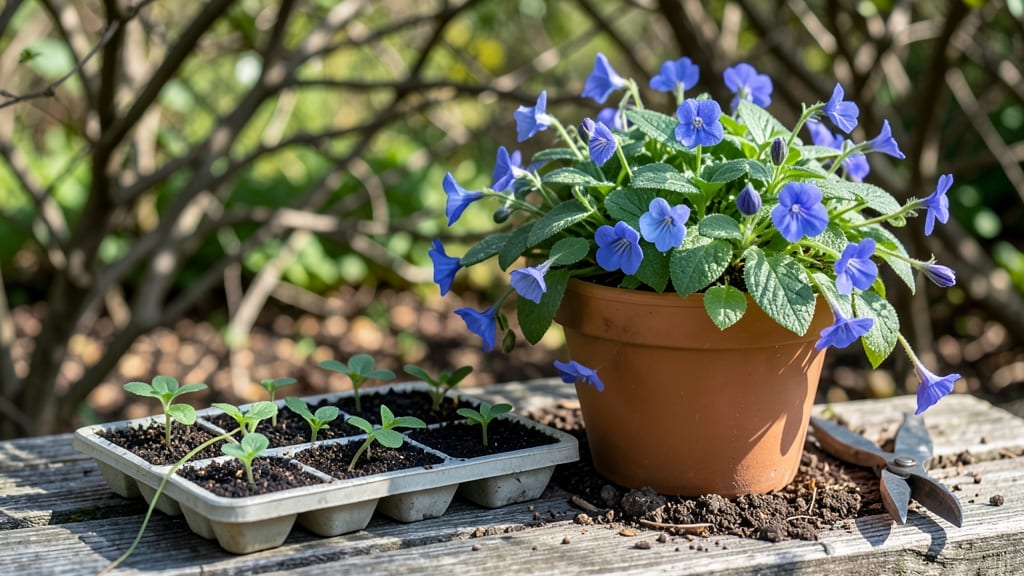
To plant in Zone 6, time your crops based on frost dates: sow cool-season vegetables like spinach and peas in early spring (March–April) or late summer (August–September), while warm-season plants such as tomatoes and peppers should wait until after the last frost (mid-May). Always verify local frost averages for accurate timing.
Zone 6's planting schedule hinges on understanding your average last frost date, which typically falls between April 15–May 15 depending on your exact location within the zone. Soil temperature is more critical than air temperature—wait until the ground reaches at least 60°F for warm-season crops to thrive. 🌱 I recommend using a soil thermometer and checking your local USDA Plant Hardiness Zone map for precise guidance, as microclimates can shift planting windows by weeks.
For cool-season crops, early spring planting gives them time to mature before summer heat sets in, while late-summer sowings take advantage of cooler fall temperatures. Warm-season plants, however, need consistent warmth to germinate properly—planting too early risks stunted growth from unexpected frosts.
Many gardeners in Zone 6 use row covers or cold frames to extend seasons for both types of crops.
💡 In This Article
- Zone 6 Frost Dates and Last Spring Frost Timing
- Best Crops for Zone 6 Planting Seasons
Zone 6 frost dates and last spring frost timing
Zone 6's planting windows are dictated by frost patterns, which vary by 1-2 weeks across the region.
The USDA defines Zone 6 as areas with 0°F to 10°F minimum winter temperatures, but spring frost timing shifts from April 15 in southern areas (like North Carolina) to May 15 in northern reaches (like Wisconsin).
These dates mark when 90% of frost events have passed, giving gardeners a 90% confidence level that tender plants like tomatoes won't be damaged.
The key mechanism here is how cold air settles in low-lying areas, creating microclimates where frost lingers longer. A valley might experience frost 2 weeks after the official last frost date for your zone, while a south-facing hillside could be frost-free 10 days earlier.
This is why gardeners should observe their own yard for 3-5 consecutive years to establish local patterns. Soil temperature plays an even bigger role than air temperature—most warm-season seeds need soil at 60-65°F to germinate properly, which often lags behind air temperature by 1-2 weeks.
Here's how to calculate safe planting times: Subtract your crop's days to maturity from your first frost date (typically October 15 in Zone 6). For example, if your last frost is May 1 and you're growing 60-day tomatoes, plant by March 2 for a late-summer harvest.
Cool-season crops like kale can handle light frosts and even improve in flavor after a 28°F frost, making them ideal for early spring or fall planting.
One common mistake is planting warm-season crops too early based on air temperature alone.
For instance, pepper seeds need soil at 70°F to germinate—planting them in 50°F soil (common in early May) results in poor germination rates. 🌱 Instead, use a soil thermometer and wait until consistent readings above 60°F appear for 5-7 consecutive days.
This approach prevents the "false spring" trap where a warm spell lures gardeners into planting too soon before late frosts return.
Advanced gardeners extend seasons using row covers, which can raise soil temperatures by 5-10°F and protect plants from light frosts (28-32°F). For cool-season crops, these covers create microclimates that allow planting 3-4 weeks earlier in spring or 2-3 weeks later in fall.
The trade-off? Some crops like lettuce may bolt (go to seed) faster under the covers' warmer conditions, so ventilation becomes crucial.
Consider these regional variations within Zone 6:
- Southern Zone 6 (NC, TN): Last frost March 25-April 15, first frost October 15-25
- Central Zone 6 (OH, IN, KY): Last frost April 15-May 1, first frost October 25-November 5
- Northern Zone 6 (WI, MI, NY): Last frost May 1-15, first frost October 10-November 10
The most reliable method remains tracking your local 30-year frost averages from sources like the National Oceanic and Atmospheric Administration (NOAA). While climate change may be shifting these dates slightly earlier, historical data still provides the most consistent baseline for planning.
For example, while some areas might experience last frosts 7-10 days earlier than historical averages, using the traditional dates ensures you're prepared for worst-case scenarios while still maximizing your growing season.