
Pruning
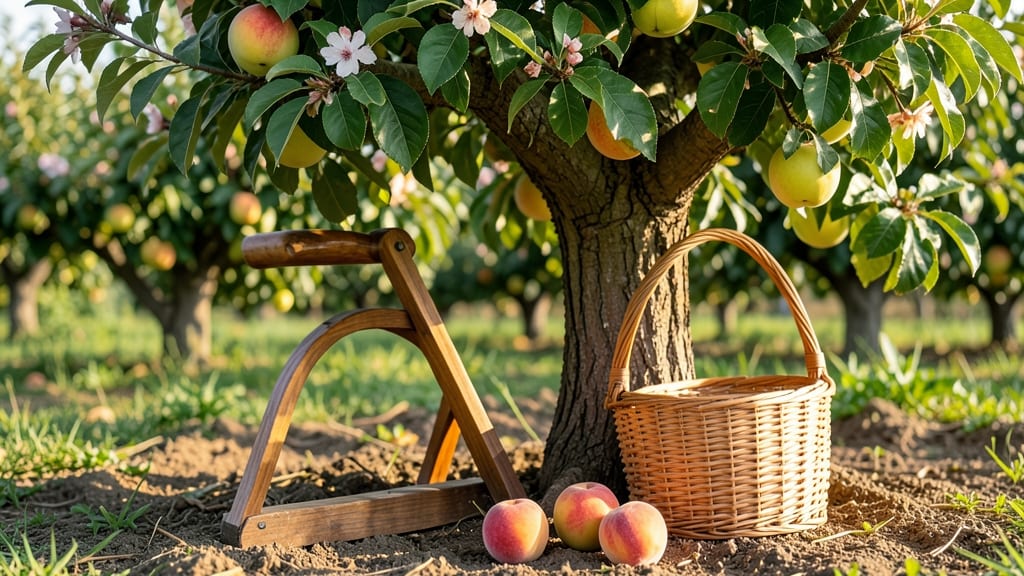
Peach season varies dramatically across the country, not just by month but by growing conditions. 🌱 The earliest varieties—like Redhaven—typically ripen in late May in warmer southern zones (8-10), while northern growers (Zones 5-7) often wait until July.
What's fascinating is how temperature swings can push harvests earlier or later by weeks, especially in areas prone to spring frosts. I always recommend checking local orchard calendars, as some regions (like California) have year-round production thanks to controlled environments.
Once you find fresh peaches, the real challenge is picking the perfect ones.
Beyond the classic color test (deep yellow or red blush), pay attention to the stem—it should separate cleanly from the fruit with minimal pressure. 🍑 A strong aroma at the stem end is another dead giveaway of ripeness.
Pro tip: Store peaches at room temperature until fully ripe, then refrigerate to slow down spoilage. Overripe peaches develop mealy texture and fermented smells, so don't wait too long!
💡 In This Article
- Peach Season Timeline by USDA Growing Zones
- How to Pick Perfectly Ripe Peaches at Farmers Markets
Peach season timeline by USDA growing Zones
The exact timing of peach season hinges on USDA hardiness zones, where temperature and frost dates create dramatic regional differences.
In Zones 5-7, peaches typically ripen between mid-June and late July—think of the Midwest and Northeast—while Zones 8-10 (southern states and California) see harvests stretching from late May through early September.
The key factor is chilling hours: peach trees require 300-1,000 hours below 45°F during winter dormancy, which northern climates provide naturally but southern zones often lack without careful cultivation.
California's unique advantage comes from its Mediterranean climate, allowing year-round production through controlled environments. Meanwhile, Georgia—America's top peach producer—relies on late spring warmth to ripen varieties like Elberta and Redhaven, often peaking in June-July.
Frost-sensitive regions like Michigan may experience delayed harvests if late spring freezes damage blossoms, while Florida's Zone 9-10 orchards can produce peaches as early as March for specialty markets. 🌿 The variation means you might find fresh peaches in grocery stores from May through September, but true peak season aligns with regional growing windows.
Understanding these zone-specific patterns helps you time your peach purchases perfectly. For example, if you're in Zone 6 (like Iowa), aim for late June to early August when local orchards hit their stride.
In Zone 9 (like Texas), you'll find peak ripeness in July-August, while California's San Joaquin Valley supplies markets year-round thanks to its 300+ days of sunshine. This geographic diversity means you're never more than a few weeks away from fresh, tree-ripe peaches somewhere in the country.
Temperature fluctuations also play a crucial role in ripening speed. Warmer springs accelerate maturation, while cooler weather can delay harvests by 2-3 weeks. This is why some years see an earlier-than-usual crop—like when 2023's mild winter pushed Georgia's harvest into late May instead of June.
The science behind this involves ethylene production: peaches increase their ethylene gas output as temperatures rise, triggering the ripening process. 🍑 Cold nights followed by warm days create the ideal balance for flavor development, which is why peaches from regions with these temperature swings often taste sweeter and more aromatic.
Consider these key factors when planning your peach-centric meals:
- Northern Zones (5-7): Peak in June-July; varieties like Halehaven and Relenta thrive here
- Southern Zones (8-10): Extend into early September; Redhaven and Suncrest are popular choices
- California: Year-round production with May-August being the sweetest months
- Frost Risk: Areas like Zone 6-7 may see delayed harvests after late spring freezes
For the best experience, align your peach recipes with these regional timelines. For instance, Zone 5 gardeners should plan their peach cobbler for late July, while Zone 9 cooks can enjoy fresh peaches in August grilling recipes.
The flavor difference between early-season and peak-season peaches is noticeable—early ones often taste slightly tart, while peak-season peaches develop that signature sweet-tart balance with juicy texture.