
Planting
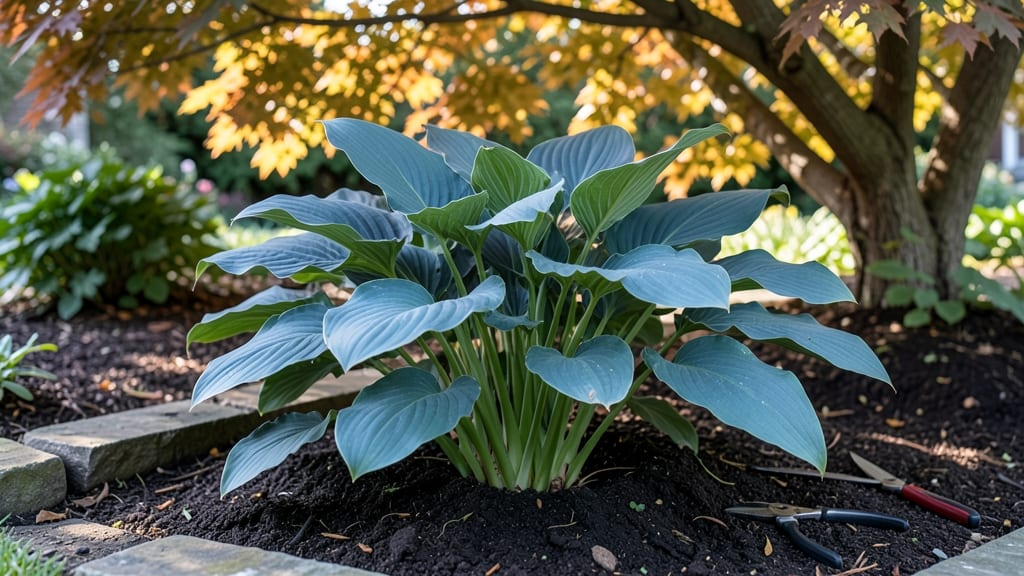
USDA Climate Zone 6 spans the Midwest, Northeast, and Pacific Northwest, including states like Michigan, New York, and Oregon, where cities like Detroit, Minneapolis, and Portland experience freezing winters and warm summers.
This region's cold winters and moderate summers create a unique growing environment where hardy plants thrive. 🌱 The zone's boundaries shift slightly each year based on temperature data, so always check the latest USDA map before planning your garden.
I've found that Zone 6 gardeners often enjoy longer growing seasons than nearby colder zones, thanks to its strategic location between northern extremes and milder coastal areas.
What makes Zone 6 particularly interesting is its diverse microclimates. For example, while Detroit averages 1,700 heating degree days, Portland's coastal influence creates milder winters just 200 miles west. This variation means gardeners must pay close attention to local frost dates and elevation changes when selecting plants.
Many popular perennials like peonies and lavender flourish here, while fruit trees such as apples and cherries reach their northern limits in this zone. The key to success is understanding your specific location's last frost date - typically between April 15 and May 15 in most areas.
💡 In This Article
- USDA Zone 6 Characteristics and Plant Hardiness
- Gardening in Zone 6: Best Plants and Seasonal Tips
USDA Zone 6 characteristics and plant hardiness
Zone 6's defining feature is its average minimum winter temperatures ranging from 0°F to -10°F (-18°C to -23°C), which creates a unique balance between cold hardiness and growing potential.
This temperature range occurs because Zone 6 sits at the northern edge of many temperate plant species' tolerance limits, while still allowing for 150-200 frost-free days annually in most areas.
The zone's boundaries were last updated in 2012 based on 30-year climate data (1976-2005), showing how temperature patterns have shifted over decades.
The zone's seasonal extremes are what make it challenging yet rewarding for gardeners. Winters typically last 4-5 months, with snow cover providing natural insulation for perennials, while summers average 70-80°F (21-27°C) - warm enough for most vegetables but not extreme like southern zones.
This creates a 120-150 day growing season from last spring frost (usually April 15-May 15) to first fall frost (October 1-November 15).
The key mechanism here is how cold air settles in low-lying areas, creating microclimates where frost dates can vary by 2-3 weeks within just a few miles.
What this means for plants is that Zone 6 gardeners can grow a wide variety of cold-hardy species that would perish in warmer zones but struggle in colder ones. The USDA Plant Hardiness Zone Map uses these temperature averages to predict which plants will survive winter exposure.
For example, a plant rated for Zone 5 (-20°F/-29°C) would likely survive Zone 6 winters, while a Zone 7 (0°F/-18°C) plant might suffer damage during the coldest snaps. This is why Zone 6 is often called the "sweet spot" for many popular garden plants.
One fascinating aspect is how elevation affects these zones. In mountainous regions like western Oregon, you might find Zone 6 characteristics at 2,000-3,000 feet elevation, while coastal areas remain milder. This creates situations where a gardener in Portland might plant 2-3 weeks earlier than someone just 50 miles inland.
The Pacific Northwest's marine influence moderates temperatures, while continental climates in the Midwest experience more extreme temperature swings. Understanding these local variations is crucial for successful gardening in this diverse zone.
Another important factor is soil temperature, which often lags behind air temperature. In Zone 6, the ground typically remains frozen until mid-April in most areas, which affects when you can plant cool-season crops like peas and lettuce.
This delayed warming is why many Zone 6 gardeners use row covers or cold frames to extend the growing season by 3-4 weeks in both spring and fall. The science here involves how soil heat capacity creates this time lag between air temperature changes and ground thawing.
For those tracking long-term changes, it's worth noting that many Zone 6 areas have seen 5-10°F warming since the 1980s, which has shifted some locations into Zone 7. However, the official USDA maps haven't been updated to reflect this, creating a disconnect between the maps and current growing conditions.
This is why local climate data and personal observation become so important for Zone 6 gardeners adapting to changing conditions. 🌡️