
Container Gardens
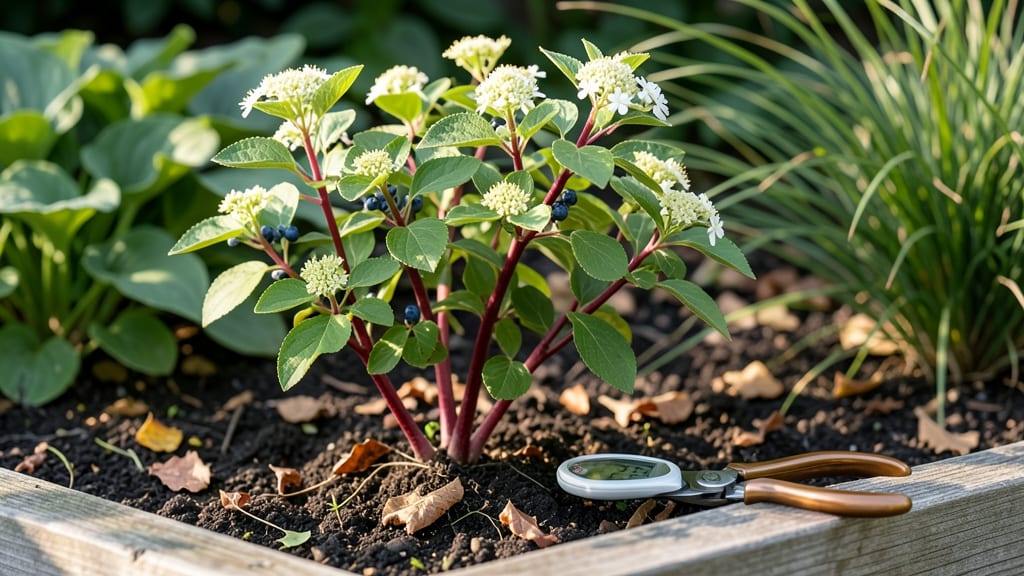
Which climates provide the longest growing seasons—like tropical zones and coastal regions such as Hawaii or Southern California—keep plants thriving nearly 12 months, while Mediterranean climates stretch seasons with mild winters. 🌿 My first tropical garden in Florida taught me that frost-free days aren't just a bonus—they're a game-changer for what you can grow.
The real secret lies in microclimates: coastal breezes moderate temperatures, while inland areas might need shade cloth or windbreaks. I've seen tomatoes ripening in December where others freeze. Rainfall patterns also shift what thrives—drought-tolerant crops like okra love Florida's heat, while coastal areas can support lush greens with consistent moisture.
You'll discover which crops thrive in each zone—think year-round greens in coastal California or tropical fruits in Puerto Rico. The key is matching plants to their natural climate while using simple tools like row covers to extend seasons further.
Even in short-season areas, these strategies add weeks to your harvest window. Perfect for gardeners dreaming of spring-like conditions all year. Here's how to identify your climate's strengths and maximize them!"
📚 In This Guide
- What you need
- Instructions
- Tips and common mistakes
- Wrapping up and next steps
What you need
- ● Climate Data Tools: USDA Plant Hardiness Zone Map (or equivalent for your region) 🌡️
- ● Local weather station data (or free apps like Weather Underground or NOAA Climate Data)
- ● Online frost-free date calculators (e.g., Old Farmer’s Almanac)
- ● Garden Planning Supplies: Notebook or digital planner for tracking growing seasons
- ● Pencil or stylus for sketching garden layouts
- ● Ruler or measuring tape (for container sizing)
- ● Soil & Container Essentials: High-quality potting mix (e.g., Miracle-Gro Moisture Control or FoxFarm Ocean Forest) – 5+ gallons per container
- ● Slow-release fertilizer (e.g., Osmocote Smart-Release) – 1 tbsp per gallon of soil
- ● Containers with drainage holes (e.g., 12"+ diameter for large plants, 5-7" diameter for herbs/veggies)
- ● Shade cloth (30-50% coverage for tropical zones to protect from intense sun) 🌞
- ● Drip irrigation kit or self-watering containers (for coastal humidity management)
- ● Heat-resistant mulch (e.g., coconut coir or straw) to retain moisture
- ● Portable greenhouse or cold frames (for extending seasons in transitional climates)
- ● pH testing kit (to ensure soil is 6.0-7.0 for most tropical plants)
- ● 🔍 Research microclimates: Coastal areas may have cooler breezes near water, while inland spots can be warmer. Test small areas first!
- ● 🌡️ Monitor humidity: Tropical zones thrive with 60-80% humidity—use a hygrometer if needed.
- ● ✨ Start with fast-growing crops: Try basil, okra, or sweet potatoes to test your extended season.
How to identify climates with the longest growing seasons
Not all climates are created equal for gardeners—here’s how to spot the best spots for year-round growth.
🌍 Step 1: Look for Tropical Zones With Consistent Warmth
Tropical climates near the equator offer the longest growing seasons because they maintain 75-85°F temperatures year-round. Think Hawaii, Southeast Asia, or parts of Central America—these regions rarely experience frost, allowing plants to thrive continuously. Look for areas with high humidity and steady rainfall (or reliable irrigation access), as these conditions prevent drought stress. The key is finding zones where USDA Hardiness Zone 12 dominates, as these areas never drop below 50°F at night.
I always check historical temperature records for a location’s coldest month—if it stays above 60°F, you’ve got a prime growing zone. Tropical climates also benefit from shorter daylight variations, meaning plants don’t experience the dormancy triggers of seasonal changes. Just be mindful of pests and diseases, which thrive in warm, humid conditions.
☀️ Step 2: Examine Coastal Regions for Mild Temperatures
Coastal areas, especially on western shores, often enjoy longer growing seasons due to moderating ocean influences. The Pacific Northwest, parts of Northern California, and coastal Spain are classic examples—these regions experience milder winters and cooler summers than inland areas. Ocean breezes also reduce temperature extremes, creating a stable environment for plants.
Look for locations with USDA Hardiness Zones 8-10, where frost is rare or brief. Coastal fog can be a double-edged sword—it keeps temperatures down but may limit sunlight for light-dependent crops. I always verify average annual rainfall (40-60 inches is ideal) and wind patterns, as strong coastal winds can stress young plants. If you’re considering a coastal move, test the microclimate by observing how nearby gardens perform.
🌿 Step 3: Evaluate Microclimates Within Target Regions
Even within broad climate zones, microclimates can extend growing seasons significantly. South-facing slopes, urban heat islands, or areas near large bodies of water often have 5-10°F warmer temperatures than surrounding regions. For example, a valley in Zone 7 might support tropical plants if it’s sheltered from cold air drainage.
I recommend scouting local nurseries or talking to experienced gardeners—they’ll know which spots stay frost-free longest. Pay attention to frost pockets (low-lying areas where cold air settles) and windbreaks (fences, hedges, or buildings that reduce wind chill). Tools like frost-free date maps (available from agricultural extensions) can pinpoint the last spring frost and first fall frost, giving you a clear window for growth.
⏰ Step 4: Check for Extended Daylight Hours
Daylight length plays a huge role in growing seasons, especially for short-day and long-day plants. Tropical regions near the equator have consistent 12-hour days year-round, while higher-latitude coastal areas (like the Mediterranean) benefit from long summer days (14-16 hours). If you’re growing crops sensitive to photoperiod (like lettuce or spinach), prioritize areas where daylight aligns with their needs.
I always cross-reference sunlight hours with the plants I want to grow. For example, if you’re aiming for year-round tomatoes, you’ll need 6+ hours of direct sun daily—something easier to guarantee in tropical or coastal climates. Use online solar calculators to estimate sunlight availability for your target location.
📊 Step 5: Compare Growing Degree Days (GDD)
Growing Degree Days (GDD) measure how quickly plants mature based on temperature—higher GDD means faster growth. Tropical and coastal climates typically accumulate 2,000-4,000+ GDD annually, compared to 1,000-1,500 in temperate zones. Check historical GDD data for your shortlisted regions to see how many heat units they provide each year.
Websites like the USDA Plant Hardiness Zone Map or Climate-Data.org offer GDD tools. For example, Miami accumulates 4,500+ GDD, while Seattle (a coastal city) hits 2,800-3,200. If you’re growing heat-loving crops like okra or sweet potatoes, aim for 3,000+ GDD—something only tropical or warm coastal areas reliably deliver.
Tips & tricks for maximizing year-round garden growth
Finding the perfect climate for continuous gardening takes more than just luck—here are the key insights that make all the difference.
Temperature Range is Everything: When evaluating tropical zones, focus on the 75-85°F range as your sweet spot. I've seen gardeners in Hawaii grow tropical plants year-round because they never drop below 50°F at night. The magic number to remember is 60°F for the coldest month—anything above this means frost-free growing potential. For coastal regions, watch for USDA Zones 8-10 where mild winters prevent dormancy cycles.
Daylight Hours Matter More Than You Think: The 14-16 hours of summer daylight in Mediterranean climates explains why they can grow warm-season crops later than most regions. For tropical zones near the equator, the consistent 12-hour days create perfect conditions for continuous growth. I always check solar calculators to verify sunlight availability—especially if you're planning to grow light-sensitive crops like lettuce or spinach.
Microclimates Can Extend Your Season Dramatically: A south-facing slope can be 5-10°F warmer than the surrounding area, creating pockets where tropical plants can thrive even in Zone 7. I once saw a garden in Portland, Oregon, grow bananas in a microclimate sheltered from cold air drainage. Look for urban heat islands, water bodies, and windbreaks that create these localized warm zones—sometimes just a few feet can make the difference between success and failure.
Growing Degree Days (GDD) Are Your Secret Weapon: Tropical climates accumulate 2,000-4,000+ GDD annually, while coastal areas typically hit 2,800-3,200. If you're growing heat-loving crops like okra or sweet potatoes, aim for 3,000+ GDD—this explains why these plants thrive in Miami but struggle in Seattle. Use the USDA Plant Hardiness Zone Map to compare GDD potential between your shortlisted locations before making decisions.
Pro Tips for Which Climates Provide The Longest Growing Seasons
- Finding the perfect climate for continuous gardening takes more than just luck—here are the key insights that make all the difference.
- Temperature Range is Everything: When evaluating tropical zones, focus on the 75-85°F range as your sweet spot.
- Daylight Hours Matter More Than You Think: The 14-16 hours of summer daylight in Mediterranean climates explains why they can grow warm-season crops later than most regions.
Frequently asked questions
Which climates truly offer the longest growing seasons?
The longest growing seasons are found in tropical climates (e.g., Hawaii, Puerto Rico) and coastal Mediterranean regions (e.g., Southern California, parts of Australia). These areas enjoy year-round warmth with minimal frost, allowing for extended planting and harvest windows—often 9–12 months without interruptions.
Can I extend my growing season in colder climates?
Use season extenders like cold frames, row covers, or greenhouses to add 2–4 weeks to your season. For container gardens, move pots indoors or to a sunroom during frost. Dwarf varieties of plants also mature faster in cooler temps, helping you squeeze in extra harvests!
What are the best plants for tropical growing seasons?
Tropical climates thrive with heat-loving crops like okra, sweet potatoes, eggplant, and tropical fruits (mangoes, papayas). For coastal areas, drought-tolerant plants such as rosemary, olives, and zucchini excel. Fast-growing leafy greens (spinach, kale) also work well in mild winters.
How do I handle unexpected frost in a long-season climate?
Monitor local frost alerts and use frost cloths or windbreaks to protect tender plants. For containers, move them to sheltered spots or cover with blankets. Hardy varieties (e.g., Swiss chard, collards) can often survive light frosts, too!
Are there cost-effective ways to mimic a long growing season?
Start with affordable season extenders like black plastic mulch (retains heat) or DIY cold frames (use old windows!). Succession planting (sowing seeds every 2–3 weeks) maximizes yields without extra costs. Repurpose containers (buckets, barrels) for heat retention in cooler months.
Wrapping up and next steps
So, whether you're dreaming of a lush tropical garden or a thriving coastal plot, the key is location, location, location! 🌴🌊 Tropical and coastal climates offer the longest growing seasons—perfect for container gardens that thrive year-round.
Now that you know where to plant, why not take the next step? Sketch your dream garden layout, pick your favorite heat-loving plants, and start small with a few containers. Happy gardening—your green oasis awaits! 🌱