
Planting
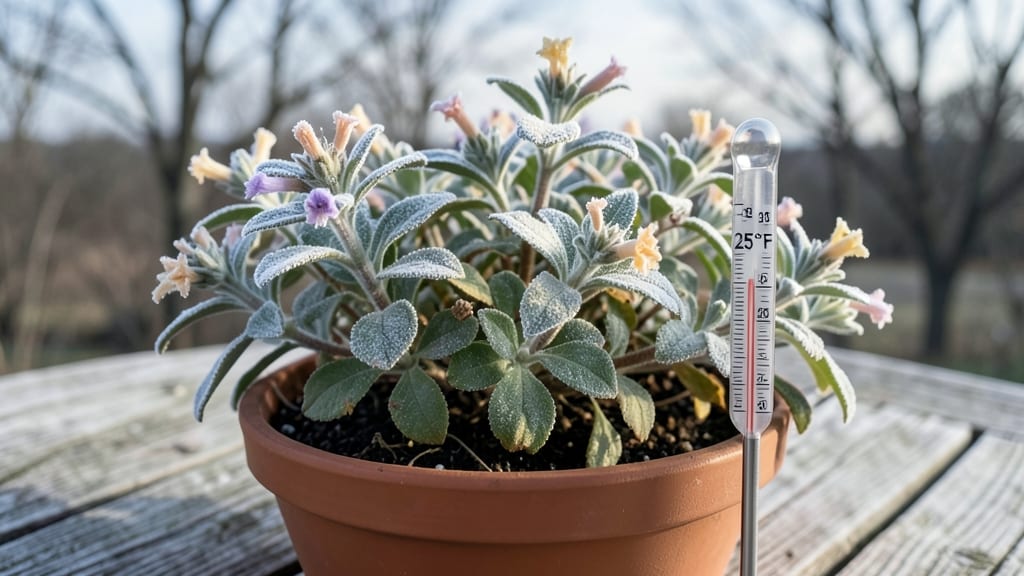
Lantana will typically not survive winter in Zone 7 without protection, since it thrives in USDA Zones 9-11 and can't tolerate temperatures below 25°F. To give it a chance, prune back dead growth in spring, apply thick mulch, or grow it in movable containers for indoor overwintering.
Lantana's tropical roots mean it's not built for Zone 7's colder winters, where temperatures often dip below its 25°F threshold. 🌱 Without protection, you'll likely see leaf drop and stem damage by late fall. The good news?
With the right strategies—like moving potted plants indoors or layering mulch—you can extend its life and enjoy vibrant blooms again in spring. I've had success using frost cloths in milder winters, but container growing remains the safest bet for consistent survival.
Even with protection, lantana may look dormant in winter, but its roots often survive to regrow when temperatures warm.
The key is acting early—before the first frost—to give your plants the best chance. Mulching helps insulate the soil, while container plants can be brought inside near a sunny window until spring. Just remember: patience is key, as recovery can take several weeks once temperatures rise.
💡 In This Article
- Lantana Cold Hardiness: Why Zone 7 Is Risky
- Protecting Lantana in Zone 7: Practical Overwintering Methods
Lantana cold hardiness: why Zone 7 is risky
Lantana's struggle in Zone 7 comes from its tropical origins—it naturally thrives in USDA Zones 9-11 where winters rarely drop below 25°F. The plant's cells contain high moisture levels and thin, non-woody stems that freeze solid when exposed to 20°F or lower.
This causes ice crystals to form within the plant tissues, rupturing cell walls and leading to irreversible damage. Unlike hardy perennials, lantana lacks the protective mechanisms (like antifreeze proteins) found in cold-adapted plants.
The first signs of cold stress appear when temperatures hit 32°F: leaves blacken and crisp, starting with the older foliage. By 25°F, stems begin to darken and become mushy—this is the point of no return for most varieties.
The roots, while slightly more resilient, often suffer too if the ground freezes. What makes this worse is that lantana's vibrant blooms (which attract pollinators) are among the first to die back, leaving your garden looking bare long before spring arrives. 🌿
Zone 7's winter pattern—where temperatures fluctuate between 10°F and 40°F—creates another challenge. Even brief dips below 25°F can kill exposed plants, while warmer days might trick them into false growth that gets nipped by subsequent cold snaps.
This "freeze-thaw cycle" weakens the plant over time, making recovery less likely each year. The scientific term for this is "cold acclimation failure," where the plant can't adjust physiologically to sudden temperature drops.
One critical factor often overlooked is soil temperature. Lantana roots need soil temps above 40°F to stay active. In Zone 7, ground can freeze to 20°F or lower, which shuts down root function and cuts off water/nutrient supply to the stems.
This is why mulching becomes essential—it creates an insulating layer that maintains soil temps 5-10°F warmer than ambient air. Without this protection, even well-established lantana plants may fail to regrow in spring.
Comparing lantana to more cold-tolerant plants like salvia or lavender highlights the difference: those plants have evolved thick, woody stems and deep root systems that store energy for regrowth. Lantana, with its soft, herbaceous growth, simply can't compete. The good news?
With proper protection, you can trick it into surviving—we'll cover those methods in the next section. The key is understanding that lantana isn't built for Zone 7's winters, but with the right strategies, you can extend its life cycle year after year. 🌡️
What most gardeners don't realize is that lantana's dormancy isn't true hibernation like bulbs. Instead, it's a survival mechanism where the plant sheds all above-ground growth but keeps its root system alive.
This means if you protect the roots (through mulching or containers), you're giving the plant a fighting chance to regrow when temperatures rise. The science here involves plant physiology—specifically how meristematic cells (growth points) remain viable underground until warm conditions trigger new shoot development.