
Planting
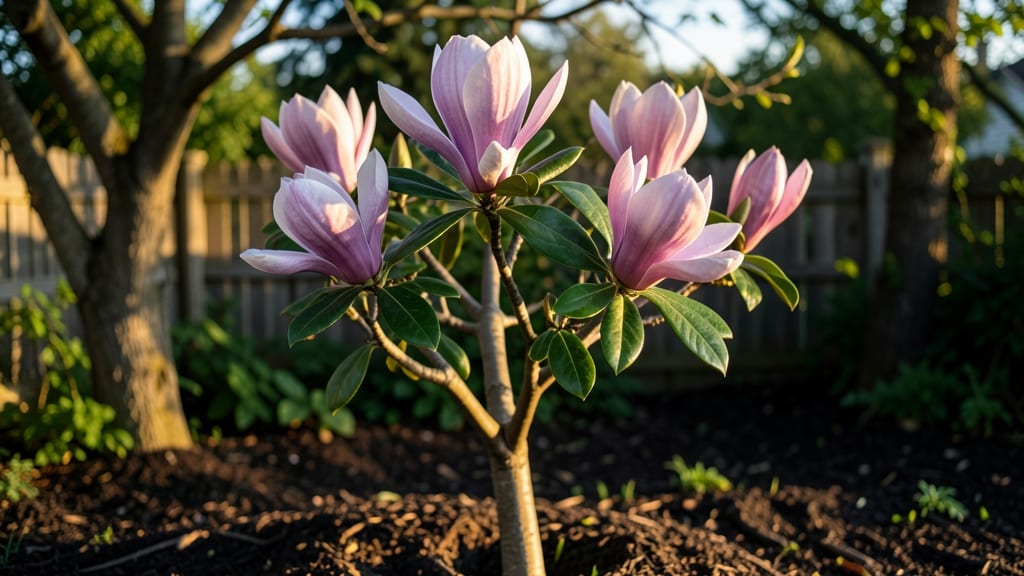
For Zone 6 magnolias to thrive, choose cold-resistant varieties like 'Black Tulip' or 'Jane', plant in well-draining soil with partial shade, and apply thick winter mulch to protect roots during -10°F cold snaps.
Growing magnolias in Zone 6 requires careful variety selection since not all species tolerate winter freezes. Star magnolia (Magnolia stellata) is a top pick because it blooms early and handles -20°F temperatures, while 'Jane' offers stunning pink flowers and similar hardiness. 🌸 The key to success lies in mimicking their natural forest habitat—planting in slightly acidic, well-draining soil and providing afternoon shade to prevent leaf scorch.
My best tip? Never skip the winter mulch—it's what saves these beauties from harsh Zone 6 winters.
When planting, dig a hole twice as wide as the root ball but no deeper, then water thoroughly before backfilling with native soil. Spacing matters too: give mature trees at least 15 feet of clearance to prevent root competition.
After planting, maintain consistent moisture for the first year while gradually reducing watering as roots establish. This approach ensures your magnolia grows strong enough to handle Zone 6's unpredictable winters.
💡 In This Article
- Top Cold-Hardy Magnolia Varieties for Zone 6 Gardens
- Step-by-Step Guide to Planting Magnolias in Zone 6
Top cold-hardy magnolia varieties for Zone 6 gardens
The most reliable magnolias for Zone 6 gardens are those with proven cold tolerance and adaptability to your region's -10°F winters. Star magnolia (Magnolia stellata) stands out because its native habitat spans Japan's cooler regions where temperatures drop to -20°F.
Its delicate white star-shaped blooms appear in late winter before leaves emerge, making it a standout early-season performer. 🌸 What's fascinating is how its buds form in summer but remain dormant until winter's chill triggers blooming—a perfect adaptation to Zone 6's temperature swings.
For those who prefer bold colors, 'Black Tulip' (Magnolia liliiflora 'Nigra') offers deep maroon-purple flowers that contrast beautifully against its glossy green leaves. This variety handles Zone 6 winters exceptionally well because its buds are less prone to frost damage than larger-flowered species.
Another excellent choice is 'Jane' (Magnolia × soulangeana 'Jane'), which produces stunning pink blooms and maintains good hardiness. All three varieties share a similar growth habit of 15-25 feet at maturity, making them ideal for medium-sized yards.
The secret to their winter survival lies in their thick, leathery leaves and deep root systems that store carbohydrates for energy during dormancy.
Unlike tropical magnolias that struggle with freezing temperatures, these cold-hardy varieties have evolved to withstand winter's harshest conditions. 💫 For example, 'Black Tulip' can even tolerate brief periods of -15°F if properly mulched, while 'Jane' shows remarkable resilience by often reblooming on new growth after winter damage.
When selecting your magnolia, consider your garden's specific microclimate. Southern exposures with afternoon shade work best because they prevent leaf scorch from intense afternoon sun while still providing enough winter sun for bud development.
The key is matching the variety's natural growing conditions—most cold-hardy magnolias thrive in the dappled light of forest edges, which is exactly what your Zone 6 garden should mimic.
For gardeners with limited space, dwarf varieties like 'Royal Star' (Magnolia stellata 'Royal Star') offer all the beauty in a 10-15 foot package. Its compact growth makes it perfect for smaller yards while still delivering those stunning early blooms.
The trade-off is slightly fewer flowers compared to standard varieties, but the convenience often makes it worth the choice for urban gardens.
One variety worth mentioning for advanced gardeners is Southern magnolia (Magnolia grandiflora) cultivars like 'Little Gem', which can handle Zone 6's milder winters in sheltered locations. While not as cold-hardy as the previous varieties, these can succeed with extra winter protection and proper site selection.
The lesson here is that while some magnolias are naturally cold-hardy, all benefit from thoughtful planting and winter care.