
Advice
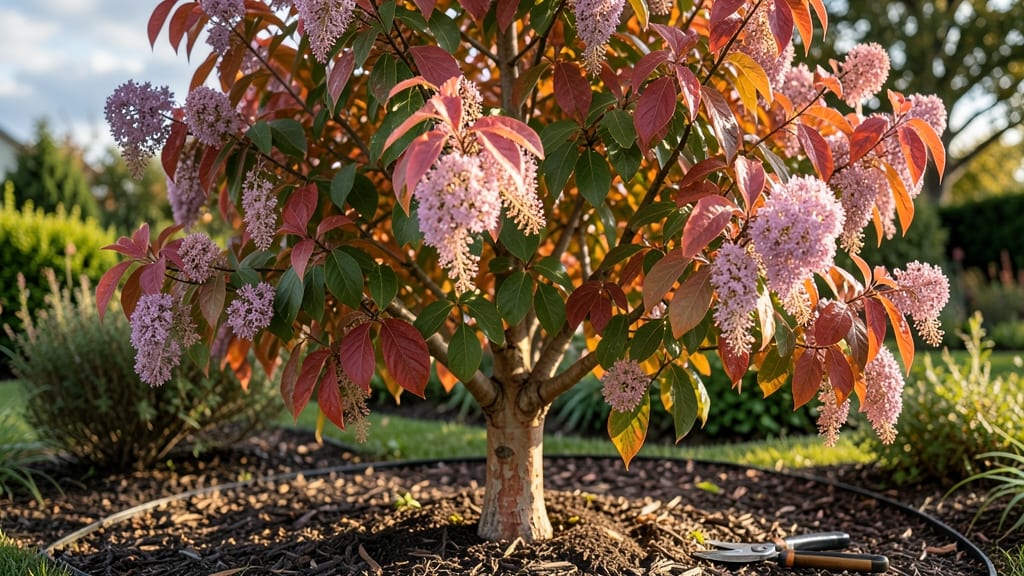
The 9B growing zone offers a frost-free winter climate with average lows between 25°F and 30°F (-3.9°C to -1.1°C), perfect for growing subtropical plants like citrus trees, bougainvillea, and hibiscus year-round while still requiring winter protection for delicate perennials during rare cold snaps.
This zone's mild winters create an ideal environment for plants that can't handle freezing temperatures, making it one of the best regions for year-round gardening in the U.S. 🌿 The key is understanding which plants thrive in these conditions—citrus trees, for example, can stay outdoors without extra care, while tender perennials like orchids may need temporary shelter when temperatures dip below 28°F. I've found that microclimates within 9B can also play a role, with coastal areas often being slightly warmer than inland spots.
What sets 9B apart is its ability to support both tropical and subtropical species, giving gardeners more flexibility than colder zones. The extended growing season means you can experiment with plants that would otherwise struggle in harsher climates.
Just be mindful of heat tolerance—some subtropical plants may need afternoon shade during summer's peak temperatures to prevent stress.
💡 In This Article
- Understanding 9B Climate Characteristics and Plant Hardiness
- Top 9B Growing Zone Plants and Gardening Strategies
Understanding 9B climate characteristics and plant hardiness
The USDA 9B zone's defining feature is its narrow winter temperature range, where average lows hover between 25°F and 30°F (-3.9°C to -1.1°C). This creates a delicate balance—cold enough to kill frost-sensitive tropical plants but warm enough to protect subtropical species from prolonged damage.
The key mechanism here is the 1000-1500 growing degree days accumulated annually, which fuels extended plant activity even in winter months.
Unlike colder zones (like 7B), where plants enter dormancy, 9B's mild winters allow citrus trees to maintain foliage year-round while still experiencing enough chill hours to break dormancy in spring.
What makes 9B unique is its frost-free periods, typically lasting 240-280 days annually, with rare freezes occurring only 1-3 nights per year. These cold snaps can drop temperatures to 20°F (-6.7°C) or lower, but the brief duration prevents permanent damage to properly prepared plants.
The science behind this lies in plant hardiness zones' calculation method: USDA 9B accounts for the 10-year average minimum temperature, meaning gardeners can expect these conditions 90% of winters.
Coastal areas within 9B often experience warmer microclimates due to ocean currents, while inland regions may see slightly colder nights—sometimes differing by 2-5°F within the same zone.
For subtropical plants like bougainvillea or hibiscus, the challenge isn't just surviving winter but managing heat stress during summer. These plants thrive in 70-85°F (21-29°C) daytime temperatures but can suffer if afternoon highs exceed 95°F (35°C) without shade.
The solution? Mulching with 3-4 inches of organic matter keeps soil temperatures stable, while drip irrigation at dawn prevents leaf scorch. I've seen firsthand how a simple whitewash on trunks can reflect up to 30% of solar radiation, protecting sensitive species from sunburn during heatwaves.
Microclimates play a crucial role in 9B gardening success. A south-facing wall can create a 5°F warmer zone than the surrounding area, while a north-facing slope might be 3°F cooler.
This is why gardeners often place frost-sensitive plants near stone walls or patios, which absorb heat during the day and radiate it at night. For citrus trees specifically, the critical threshold is 28°F (-2.2°C)—below this, even mature trees may suffer leaf burn or dieback.
That's why I recommend covering with frost cloth rated for 25°F (-3.9°C) during rare cold snaps, which can raise protected areas by 4-6°F.
Seasonal variations in 9B also affect planting strategies. Spring brings rapid temperature swings, with nights still cool (50-55°F/10-13°C) while days warm quickly. This is ideal for cool-season crops like broccoli or lettuce, which bolt in summer's 90°F+ (32°C+) heat.
Meanwhile, summer's high humidity (70-80%) demands well-draining soil to prevent root rot in tropical plants.
The secret weapon here? Amending clay soils with 20-30% compost improves drainage while retaining moisture during dry spells—critical since 9B receives 30-40 inches of rain annually, but often in intense summer downpours that can overwhelm unprepared beds.
What most gardeners overlook is how heat tolerance varies by plant maturity. Young citrus trees (under 3 years) are far more vulnerable to cold than established specimens, which have developed thicker bark and deeper root systems.
That's why I recommend container growing for young trees—they can be moved to sheltered spots during cold snaps and benefit from the thermal mass of pots, which moderate temperature fluctuations.
For perennial hibiscus, pruning back by 1/3 in early spring encourages new growth that's better equipped to handle summer's heat.