
Lawn
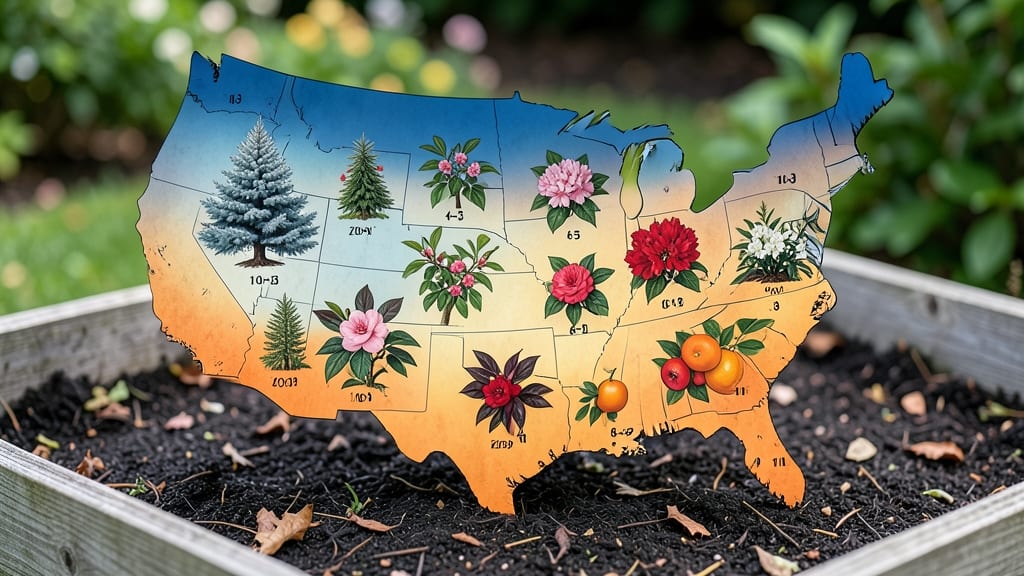
USDA Plant Hardiness Zones USA categorize regions by average minimum winter temperatures, helping gardeners select plants that thrive in their climate—from Zone 1’s extreme cold to Zone 13’s frost-free warmth. Each zone’s 10°F increments guide planting, dormancy, and seasonal timing for optimal growth.
Understanding your USDA Plant Hardiness Zone is like having a climate roadmap for your garden.
These zones, based on the coldest average winter temperatures, help you pick plants that can survive where you live—whether you're in Alaska's Zone 1 or Florida's Zone 11. 🌱 For instance, a Zone 5 gardener can safely plant peonies (hardy to -20°F), while a Zone 9 gardener should opt for drought-tolerant succulents that thrive in milder winters.
The zones also account for microclimates, so your backyard might actually be a half-zone warmer or colder than the official map suggests.
To find your zone, use the interactive USDA Plant Hardiness Zone Map—just enter your ZIP code. Many nurseries also display zone information on plant tags, making it easier to match your local conditions with the right plants.
Remember, zones don’t just affect winter survival; they also influence when to plant, how much sunlight certain crops need, and even pest cycles in your area.
💡 In This Article
- How USDA Plant Hardiness Zones Determine Plant Survival
- Practical Guide: Finding Your Zone and Choosing Plants
How USDA plant hardiness zones determine plant survival
The USDA Plant Hardiness Zone system is based on the average annual minimum winter temperatures over a 30-year period, measured in 10°F increments. This means Zone 5 experiences average winter lows of -15°F to -10°F, while Zone 8 ranges from 10°F to 20°F.
The science behind this is rooted in plant physiology: most plants enter dormancy when temperatures drop below their critical threshold, and their cells can only survive so much cold-induced dehydration.
For example, a Zone 3 plant like a Siberian larch can tolerate -40°F because its cells produce antifreeze proteins that prevent ice crystal formation in its tissues.
Cold tolerance isn't just about the lowest temperature—it also depends on chilling hours (the number of hours below 45°F a plant needs to flower) and heat accumulation (measured in growing degree days).
A peach tree in Zone 7 might need 500-800 chilling hours to break dormancy, while a fig tree in Zone 9 requires almost none. This explains why some plants thrive in one zone but fail in another just one step warmer or colder.
For instance, blueberries (Zone 3-6) won't produce fruit in Zone 7 without supplemental chilling, while bougainvillea (Zone 9-11) will die back in Zone 8's occasional 20°F dips.
Microclimates create exceptions within zones that can shift plant viability by half-zones or more. A south-facing wall can add 5-10°F of warmth compared to open ground, while a low-lying area might be 3-5°F colder due to cold air settling.
Urban areas often experience urban heat islands, where pavement and buildings trap heat, pushing effective zones up by 1-2 degrees.
The 2012 USDA zone map update reflected these changes by adding half-zones (e.g., 7b) and accounting for climate shift data, making it more accurate than the 1990 version, which didn't account for warming trends.
Historical zone maps underestimated warming—since 1980, average temperatures have risen by 1.5°F in many regions, meaning plants in Zone 6 today might survive winters that were once only safe for Zone 7.
This shift explains why some gardeners in Zone 5 can now grow Zone 6 plants like hydrangeas with minimal winter protection. However, the system still has limitations: it doesn't account for spring frost risks or summer heat stress, which can be just as damaging.
For example, a Zone 9 plant might wilt in a 105°F heatwave if it's not adapted to such extreme conditions.
To navigate these complexities, gardeners use tools like the USDA Interactive Zone Finder, which overlays satellite data with local weather stations for precision. For high-altitude gardens, subtract 1°F per 300 feet elevation gain—a Zone 7 yard at 5,000 feet might function more like Zone 5.
Similarly, coastal areas can be 3-5°F warmer than inland zones due to ocean currents moderating temperatures. These adjustments help explain why a Zone 8 plant might thrive in San Francisco (coastal) but fail in Phoenix (inland desert).
What most gardeners overlook is that zones are minimum temperature averages, not guarantees. A 1-in-10-year cold snap could push Zone 6 temperatures to -25°F, risking damage to marginally hardy plants.
This is why experienced growers in borderline zones use mulch, row covers, or microclimate manipulation to extend plant survival.
For instance, wrapping a Zone 5 rose bush in burlap during polar vortex events can protect it from -30°F temps, effectively making it behave like a Zone 4 plant in extreme conditions.