
Pruning
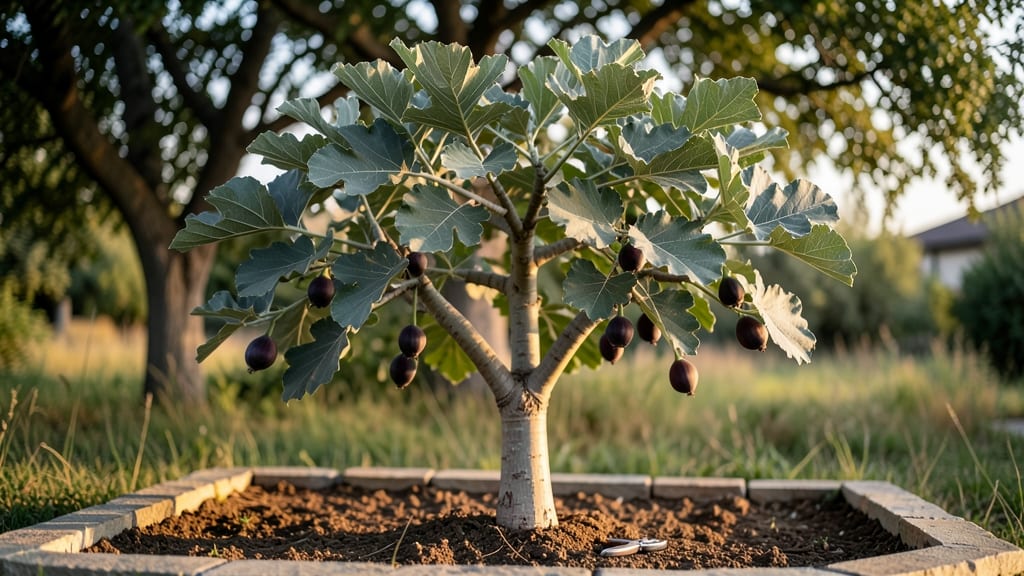
Fig trees grow best in USDA hardiness zones 7 through 11, though cold-hardy varieties like Chicago Hardy can survive down to 20°F (-6.7°C) for short periods. Warmer-climate types need temperatures above 30°F (-1.1°C) to thrive.
Understanding your specific fig tree zone helps you pick the right variety for your climate. 🌱 Cold-hardy figs like Celeste can even handle brief freezes, making them ideal for northern gardeners, while Mediterranean varieties such as Brown Turkey require consistent warmth.
The key difference lies in their root systems—cold-resistant types develop deeper roots to protect against frost, while heat-loving figs prioritize rapid growth and fruit production in warmer conditions.
For urban gardeners or areas with unpredictable winters, container-grown figs offer flexibility. These can be moved indoors during cold snaps, extending their growing season. Always check your local microclimate—frost pockets or urban heat islands can shift your effective zone by 1-2 levels.
💡 In This Article
- Understanding Fig Tree Hardiness by USDA Zone
- Best Fig Varieties for Every USDA Zone
Understanding fig tree hardiness by USDA zone
Fig trees' cold tolerance hinges on their root systems and how they handle freezing temperatures. The critical threshold is 28°F (-2.2°C), where most varieties begin suffering damage.
Cold-hardy types like Chicago Hardy develop a deeper, more extensive root system that insulates the trunk and branches, allowing them to survive brief dips to 20°F (-6.7°C).
This root adaptation creates a natural thermal buffer, similar to how some desert plants store water in deep roots to survive heat waves.
Fruit production takes a direct hit when temperatures drop below 32°F (0°C). The fig's flower buds are particularly vulnerable, and even a single night below 28°F (-2.2°C) can reduce next year's crop by up to 70%.
Mediterranean varieties like Brown Turkey, which thrive in zones 8-11, simply can't handle frost—their roots stay shallow to maximize heat absorption, making them ideal for warm climates but poor candidates for northern gardens. 🌡️ The difference in root depth between cold-hardy and heat-loving figs can be 3-4 feet, with northern types sending roots down to avoid frost pockets.
What most gardeners don't realize is that fig trees have a built-in survival mechanism called "dormancy." When temperatures drop below 45°F (7°C), the tree enters a semi-dormant state, slowing metabolic processes to conserve energy.
This adaptation explains why some varieties can bounce back from light freezes, while others suffer permanent damage. The key difference lies in their cellular structure—cold-hardy figs produce more protective proteins that shield cell membranes during freezing.
Your local microclimate plays a bigger role than the official USDA zone. Urban areas with heat islands (like paved surfaces) can push effective zones up by 1-2 levels, while frost pockets in valleys may drop them down.
For example, a zone 7 garden might safely grow Celeste figs if planted on a south-facing slope, while a zone 8 garden near a lake could struggle with Brown Turkey if nighttime temperatures frequently dip below 30°F (-1.1°C).
Always observe your garden's specific temperature patterns for 3-5 years before selecting varieties.
Container-grown figs offer flexibility for gardeners in marginal zones. Potted trees can be moved to protected locations during winter, effectively extending their growing range. The trick is using a 15-20 gallon container with excellent drainage—fig roots need room to grow but also hate soggy soil.
In containers, even Mediterranean varieties can survive zone 6 winters if brought indoors when temperatures drop below 35°F (1.7°C). This container method works because it gives you complete control over the root environment, mimicking the tree's natural ability to adjust to temperature changes.
One surprising fact is that fig trees actually prefer warmer days and cooler nights for optimal fruit production. While they can tolerate heat up to 100°F (38°C), prolonged exposure above 90°F (32°C) can stress the tree, leading to smaller figs.
This is why Mediterranean varieties thrive in coastal climates—they benefit from sea breezes that moderate daytime temperatures.
In contrast, cold-hardy types like Little Miss Figgy develop a waxy coating on their leaves to reduce water loss during hot days, a trait that helps them adapt to both cold winters and warm summers.