
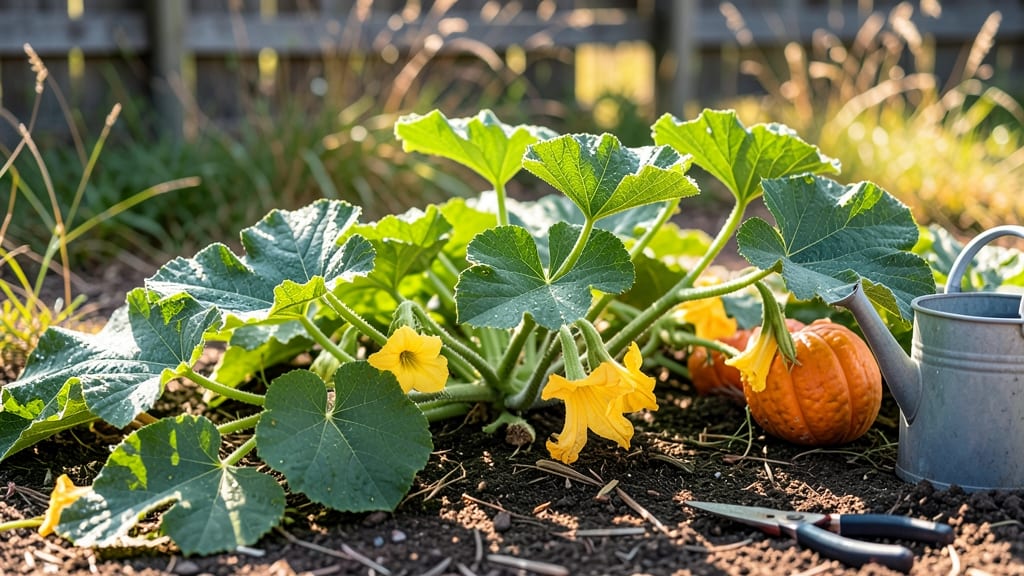
Pumpkin Growing Season: Exact Planting Dates by USDA Zone for Bountiful Harvests

Container Gardens

Pumpkin Growing Season: Exact Planting Dates by USDA Zone for Bountiful Harvests

Growing pumpkins 🎃 depends on timing the season just right—soil warmth, frost dates, and daylight all play a role in your harvest’s success.

If you’ve ever dreamed of carving a pumpkin straight from your own garden—juicy, plump, and ready for fall festivities—timing is everything. Plant too early or too late, and your harvest could end up small, bitter, or worse, nonexistent.

In USDA Zone 6a, where spring lingers and frost can sneak in early, the window for planting pumpkin seeds is tight: aim for April 15 to May 15 after the last frost when soil hits 70°F.

But regional differences matter—warmer climates can stretch the season, while cooler zones may need fast-maturing varieties or season-extending tricks.

Below, I’ll break down the exact planting dates by zone, how to tell when your pumpkins are truly ready to harvest, and three simple tricks to push your growing season for bigger yields—no matter where you garden.

Pumpkin planting dates by USDA zone: when to start seeds indoors and outdoors

Pumpkins thrive with warm soil and long growing seasons, but your USDA zone determines when to plant for a successful harvest. In cooler climates (Zones 3–5), you’ll likely need to start seeds indoors or use row covers to extend the season.

Meanwhile, warmer zones (8–11) can direct-sow seeds as early as February. Let’s break down the exact planting windows and soil temperature requirements for each zone to ensure your pumpkins grow big and bold.

Pumpkin seeds germinate best in soil that’s at least 70°F (21°C). If your spring soil is cooler, use black plastic mulch to warm it faster or start seeds indoors 4–6 weeks before your last frost date.

For direct-sowing outdoors, wait until nighttime temperatures stay above 55°F (13°C) consistently. Below, I’ll share the optimal planting dates for every USDA zone, including whether to start indoors or sow directly.

Pro Tip: Use a soil thermometer to confirm readiness—pumpkin seeds won’t sprout in cold soil, no matter how eager you are! If you’re in a short-season zone (3–5), choose fast-maturing varieties like ‘Jack Be Little’ (75 days) or ‘Autumn Gold’ (80 days) to avoid frost damage.

USDA Zone Start Indoors Direct Sow Outdoors Soil Temp Harvest Window
3–4 March 1–15 May 15–30 70°F+ Sept–Oct (short season)
5–6 March 15–April 1 April 30–May 15 70°F+ Sept–Oct
7–8 April 1–15 May 1–15 65°F+ Sept–Nov
9–10 Feb 15–March 15 March 1–April 1 60°F+ Oct–Dec
11 Jan 15–Feb 15 Feb 1–March 1 55°F+

How to extend your pumpkin growing season for a longer harvest

Want to enjoy homegrown pumpkins well beyond the typical late-summer harvest? With the right strategies, you can push your pumpkin growing season by 3–6 weeks, ensuring a bountiful supply for carving, baking, or sharing. The key lies in combining fast-maturing varieties, protective growing techniques, and smart planting schedules.

Whether you're in a short-season zone or just want to maximize your garden's potential, these methods will help you beat the clock.

First, focus on cold-hardy pumpkin varieties that thrive in cooler temperatures. These varieties mature in 75–90 days, giving you a head start before frost. Pair them with season-extending tools like row covers, black plastic mulch, and even hoop houses.

I’ve tested these techniques in my own garden, and the results—larger fruits and later harvests—are impressive. Let’s break down the best methods to keep your pumpkins growing well into fall.

Top 5 Strategies to Extend Your Pumpkin Growing Season
  1. Choose fast-maturing varieties: Opt for 'Jack Be Little' (75 days) or 'Sugar Pie' (80 days) to harvest earlier.
  2. Use black plastic mulch: Warms soil by 10–15°F, accelerating germination and growth.
  3. Apply row covers: Extends season by 2–4 weeks by protecting vines from early frosts.
  4. Plant in succession: Sow seeds every 2 weeks for staggered harvests.
  5. Use hoop tunnels: Creates a microclimate that traps heat and delays frost damage.

Black plastic mulch is one of my favorite tools for extending the season. It doesn’t just warm the soil—it also suppresses weeds and retains moisture, which is critical during the flowering and fruiting stages.

Lay the mulch down 2–3 weeks before planting to give the soil time to heat up. For even better results, combine it with a drip irrigation system to maintain consistent moisture without overwatering. This combo has helped me harvest pumpkins in USDA Zone 5 well into October.

If you’re in a cooler climate, row covers are a game-changer. Made from lightweight fabric, they shield your pumpkin vines from light frosts (down to 28°F) while still allowing sunlight and water to penetrate. I recommend using them in the evenings or during early fall cold snaps.

Just remember to remove them during the day to prevent overheating. For a more permanent solution, consider a low hoop tunnel covered with plastic sheeting. It’s a bit more work to set up, but it can extend your season by 6+ weeks.

Don’t overlook the power of succession planting. Instead of planting all your seeds at once, stagger them every 2 weeks for a continuous harvest. This works especially well with bush-type pumpkins, like 'Minnesota Midget,' which mature faster than vining varieties.

For example, if you plant your first batch in early May, follow up with another in late May and early June. This way, you’ll have pumpkins ready to harvest at different times, ensuring a steady supply for your fall decor or pies.

Finally, pay attention to your soil temperature. Pumpkin seeds won’t germinate well in cold soil—aim for 70°F or warmer. If your soil is still chilly in spring, use a seedling heat mat or plant in raised beds, which warm up faster.

Once your vines are established, focus on consistent watering and balanced fertilization to keep them productive. With these strategies, you’ll be carving pumpkins from your own garden long after your neighbors’ harvests have ended.

★★★★★4.6(13 reviews)
Categories Container Gardens