
Container Gardens
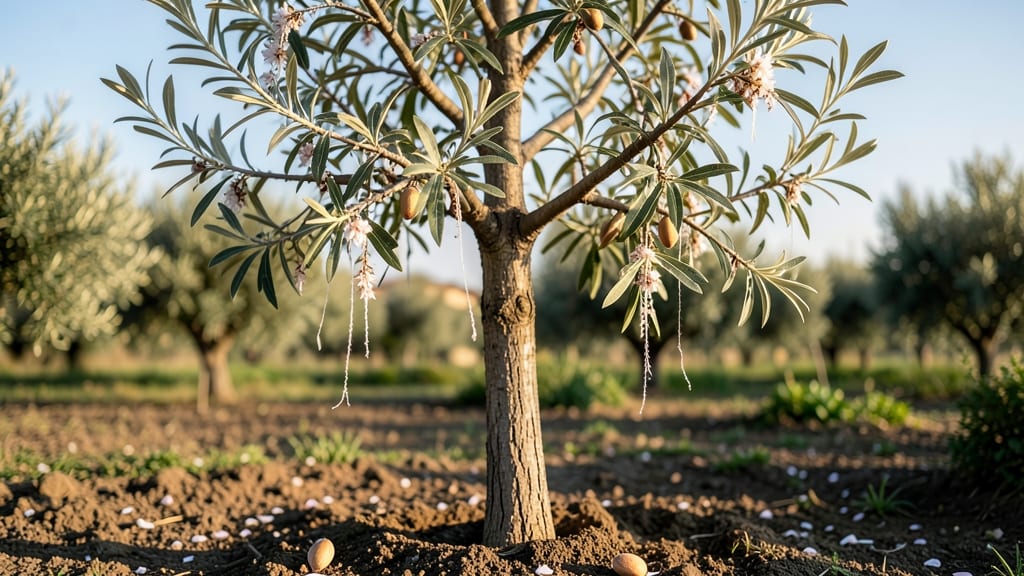
Almond trees grow best in USDA hardiness zones 5 through 9, where they receive adequate winter chilling hours (300–700) and can survive temperatures down to around 10°F with proper care. Zones 6–8 offer the optimal balance for most commercial varieties.
Understanding your almond growing zone means more than just checking a map—it’s about matching your climate to the tree’s needs. 🌱 Most almond varieties need 300–700 hours of winter chilling (temperatures between 32–45°F) to set fruit properly, which is why zones 6–8 are considered ideal.
In colder zones (like 5), you’ll need to choose hardier varieties or extend the growing season with protective measures. Even in perfect zones, sudden drops below 10°F can damage young trees, so winter prep is key.
For example, the popular 'Nonpareil' variety thrives in zones 6–9, while 'Carmel' handles slightly cooler conditions in zone 5 with extra care. If you’re in a marginal zone, consider dwarf varieties or microclimates—like planting near a south-facing wall—to give your trees a fighting chance.
The right setup can turn a borderline zone into a productive almond grove.
💡 In This Article
- How USDA Zones Affect Almond Tree Survival and Productivity
- Protecting Almond Trees in Cold Zones: Winter Care Tips
How USDA zones affect almond tree survival and productivity
The USDA zone system isn't just about cold tolerance—it's about matching a tree's biological needs to your climate. Almond trees require 300–700 hours of winter chilling (temperatures between 32–45°F) to trigger flowering.
In zone 5, where winters are colder, you might get 800+ hours, while zone 9 could provide only 200–300 hours. This is why 'Nonpareil' (zone 6–9) struggles in zone 5 without adjustments, while 'Carmel' (zone 5–8) handles the extra chill better. 🌡️
Extreme cold (10°F or lower) damages almond trees by causing cellular dehydration in their bark and buds. Young trees are especially vulnerable, as their bark isn't fully hardened.
For example, a sudden drop to -5°F in zone 5 can kill new growth, while zone 7 trees might only experience minor damage. The key is understanding your zone's minimum safe temperature—zone 6 can handle 0°F with protection, but zone 5 needs extra insulation.
Productivity drops in marginal zones due to poor pollination or fruit set. Without enough chilling hours, flowers may fail to develop, leading to 50–70% lower yields. For instance, in zone 9, some growers use artificial chilling chambers to supplement natural cold exposure.
Meanwhile, zone 5 growers often plant early-blooming varieties to avoid late frosts that can destroy blossoms before pollination.
Soil type and moisture also interact with zones. In zone 6, well-drained soil prevents root rot from winter thaw cycles, while zone 8's milder winters allow for deeper root systems.
The Carmel variety, for example, thrives in zone 5's heavier soils because its roots tolerate more moisture, whereas 'Nonpareil' prefers zone 7–9's drier, loamy conditions. 🌱
Microclimates can shift your effective zone by 1–2 levels. A south-facing slope in zone 5 might reach zone 6 temperatures, while a valley could be colder. This is why some zone 5 growers plant near stone walls or buildings to trap heat.
In contrast, zone 8's coastal areas may experience fewer chilling hours due to ocean moderation, requiring growers to choose varieties like 'Butte' that need only 300–400 hours.
Even within a zone, elevation matters. A zone 6 mountain slope at 3,000 feet could feel like zone 5, while a valley at 1,000 feet might behave like zone 7. This is why precise zone mapping (using tools like the USDA Plant Hardiness Zone Map) is critical.
For example, Sacramento, CA (zone 9), can support 'Nonpareil', but nearby higher elevations might only suit 'Carmel'.