
Planting
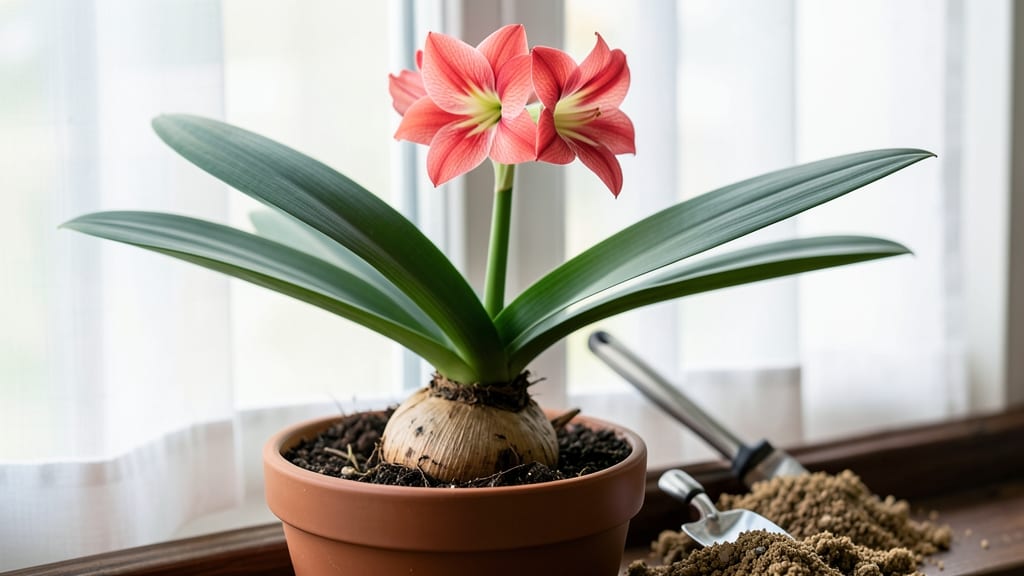
Determining amaryllis planting zones requires focusing on USDA zones 9 through 11, where warm winters and consistent temperatures create ideal conditions for outdoor growth. In colder regions, these plants must be treated as seasonal container specimens or stored indoors during frost.
Amaryllis bulbs are tropical natives, so they crave the steady warmth of zones 9-11 where nighttime temperatures rarely drop below 50°F. 🌿 The challenge in cooler climates isn't just frost—it's the shock to their delicate foliage, which can blacken within hours of exposure.
I've seen gardeners in zone 7 successfully overwinter amaryllis by moving pots into unheated garages when temperatures approach 40°F, using extra mulch to insulate soil warmth.
What's fascinating is how these plants adapt: they'll often delay blooming until they sense stable warmth in spring, sometimes waiting until June or July rather than their usual winter schedule.
The key difference between zones becomes clear when you compare seasonal care: in zone 10, you can leave amaryllis planted year-round, while in zone 5, you're looking at a 6-month indoor/outdoor cycle**. The bulbs themselves are surprisingly hardy—it's the foliage that's vulnerable.
That's why many growers treat amaryllis more like annuals in northern climates, replacing bulbs every few years rather than trying to revive them through winter storage.
💡 In This Article
- USDA Zones for Amaryllis: Understanding Climate Suitability
- Microclimate Strategies for Growing Amaryllis Outside Zone 9
USDA zones for amaryllis: understanding climate suitability
Amaryllis bulbs originate from South America's tropical regions, where they evolved to thrive in consistent warmth and humidity.
This tropical heritage explains why they prefer USDA zones 9-11—their ideal range—where average winter temperatures stay above 40°F and frost is rare. 🌿 In these zones, amaryllis can grow outdoors year-round, developing their signature large, showy blooms in late winter or early spring when daylight increases.
The bulbs themselves are surprisingly resilient, but it's the foliage that's frost-sensitive, often blackening within 2-3 hours of exposure to temperatures below 32°F.
The key difference between zones lies in their temperature thresholds. In zone 9, amaryllis can handle brief dips to 28°F with protection, while zone 11's near-tropical climate (average winters above 60°F) allows them to bloom continuously.
What's fascinating is how these plants adapt their flowering cycles: in cooler zones, they often delay blooming until they sense stable warmth in spring, sometimes waiting until June or July rather than their usual winter schedule.
This delay occurs because the bulbs need 60-70°F soil temperatures to initiate flowering, which takes longer to achieve in northern climates.
Temperature extremes also affect bulb dormancy. In zones 9-11, amaryllis bulbs naturally enter dormancy during the hottest summer months when daylight shortens, while in cooler zones, they may never fully rest without artificial intervention.
This is why gardeners in zones 5-8 often mimic summer conditions by reducing water and fertilizer after flowering, then storing bulbs in a dry, cool (55-65°F) location until fall replanting. The bulbs' natural defense mechanism is to conserve energy, but this process gets disrupted in inconsistent climates.
Here's what happens when you push amaryllis beyond their ideal zones: in zone 8, you'll see stunted growth and smaller blooms, while in zone 4, the foliage will likely die back completely without protection.
The bulbs can survive these conditions, but they won't produce the dramatic 6-inch-wide flowers that make amaryllis so prized. What most gardeners don't realize is that even in marginal zones, the bulbs will continue growing—it's just that their energy goes toward survival rather than reproduction.
This is why many northern growers treat amaryllis as seasonal plants, replacing bulbs every 2-3 years instead of trying to overwinter them.
Light requirements also vary by zone. In zones 9-11, amaryllis can handle partial shade, while in cooler zones, they need full sun (6+ hours daily) to compensate for lower temperatures.
The trade-off is that full sun exposure increases water needs—amaryllis in zone 7 containers may require weekly watering during summer heat, while zone 10 plants might only need water every 10-14 days.
This zone-based watering difference explains why many northern growers prefer container culture: it gives them precise control over moisture levels during temperature fluctuations.
The most critical factor is nighttime temperatures. Amaryllis bulbs need nights above 55°F to initiate flowering, which is why zone 9 is the northern limit for reliable outdoor blooming. In zone 8, you might get one successful bloom cycle before the plant struggles with cooler nights.
What's surprising is how quickly amaryllis respond to temperature changes: I've seen plants in zone 7 produce buds within 4-6 weeks of moving to a greenhouse with 65°F+ nighttime temps, while identical plants left outdoors remained dormant. This rapid response highlights why microclimate control becomes essential in marginal zones.