
Orchid Care
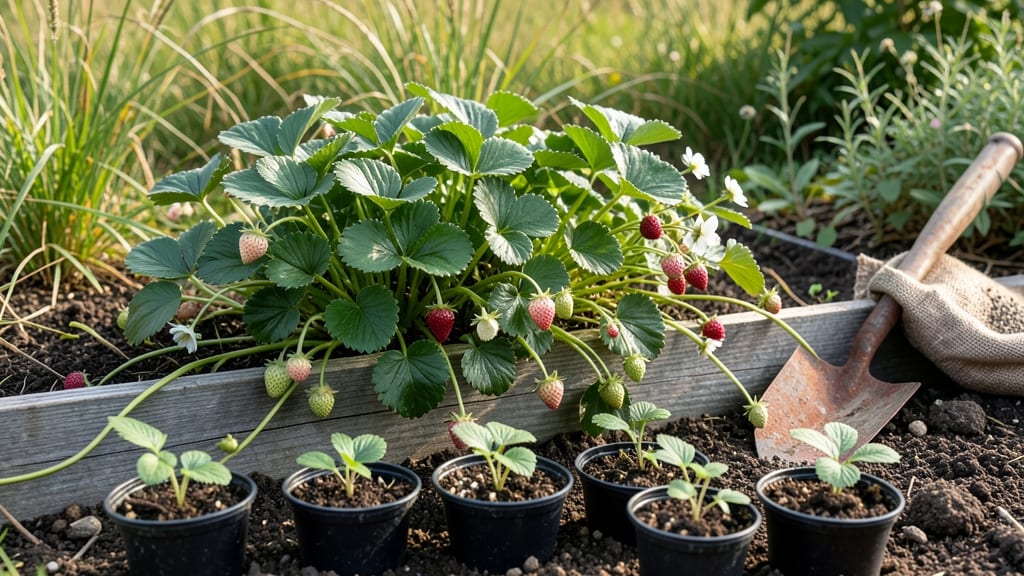
The growing season for strawberries spans fall, summer, winter, or spring depending on your climate zone, but getting the timing right is the key to a year-round harvest—or a total bust.
Picture this: you’ve spent weeks nurturing your 🍓 plants, only to watch them freeze in winter or bolt in summer heat. The difference between a garden full of sweet berries and one full of frustration often comes down to when—and how—you plant them.
In USDA Zone 6a, like many temperate regions, strawberries can be grown in spring (March–April) for a summer harvest or in fall (August–September) for a late-season bounty. But in warmer zones, summer plantings work, while colder climates rely on winter protection to keep them alive.
Below, I break down the best planting windows for your zone, how to extend your growing season, and which varieties perform best in each scenario—so you can enjoy fresh strawberries almost any time of year.
Best strawberry planting seasons by USDA climate zones
Timing your strawberry planting correctly is the secret to a successful harvest. Unlike many plants, strawberries thrive in cooler seasons, but the best time depends on your USDA hardiness zone and whether you're growing June-bearing or everbearing varieties.
In warmer zones, you might even plant in summer or winter, while colder climates favor spring or fall plantings. Let's break down the ideal windows for each zone to maximize your yield.
June-bearing strawberries produce one massive harvest in early summer, while everbearing varieties offer two smaller harvests—spring and fall. This difference changes your planting strategy.
For example, in Zone 5, I plant June-bearing varieties in early spring for a summer harvest, but everbearing types get a fall planting to extend production into winter. Understanding these nuances ensures you're not left with blooms in winter or fruit in freezing temps.
Here’s a quick reference for optimal planting seasons across USDA zones, including frost-sensitive varieties and seasonal adjustments:
| USDA Zone | Best Planting Season | Harvest Window | Notes |
|---|---|---|---|
| Zones 3-4 | Late spring (May) or fall (August-Sept) | June-July (spring) or Sept-Oct (fall) | Use June-bearing varieties; mulch heavily for winter. |
| Zones 5-6 | Early spring (April) or fall (Sept) | June (spring) or Oct-Nov (fall) | Everbearing varieties work well; protect from late frosts. |
| Zones 7-8 | Fall (Sept-Oct) or early spring (March) | May-June (spring) or Oct-Nov (fall) | Avoid summer planting; heat stress reduces success. |
| Zones 9-10 | Fall (Sept-Oct) or winter (Jan-Feb) | March-April (winter) or Sept-Oct (fall) | Frost-sensitive varieties like Seascape thrive year-round. |
| Zone 11 | Year-round (avoid peak summer) | Continuous harvests with staggered plantings | Use everbearing varieties; shade cloth in summer. |
In Zones 3-4, where winters are harsh, I recommend planting June-bearing varieties in late spring to avoid winter dieback. These varieties establish roots before cold sets in, ensuring a robust harvest the following summer.
For everbearing types, a fall planting lets them fruit in early summer before the heat arrives. Always use thick mulch (straw or leaves) to insulate roots during winter.
Moving to Zones 5-6, the flexibility increases. Here, I plant June-bearing strawberries in early spring for a late-summer harvest, while everbearing varieties get a fall planting to produce fruit in early summer and again in fall.
The key is to avoid planting when soil temps exceed 80°F, as this stresses young plants. In my garden, I’ve found that Albion and Chandler varieties handle these zones exceptionally well.
For Zones 7-8, summer planting is a no-go—heat stress and poor root establishment lead to failure. Instead, I focus on fall plantings (September) for a spring harvest and another round in late summer. Everbearing varieties like Seascape
How to extend your strawberry growing season in cold climates
Cold climates can make strawberry growing challenging, but with the right strategies, you can protect your plants and extend your harvest well beyond the typical summer months. In USDA zones 3-7, where frost is a constant threat, seasonal adjustments and protective measures are key to success.
The goal? Minimize frost damage while maximizing your berry production from early spring to late fall.
I’ve grown strawberries in zone 5 for years, and I’ve learned that mulching, row covers, and cold frames can turn a short harvest window into a year-round berry bonanza.
Whether you’re dealing with late spring frosts or early fall freezes, these techniques will help you protect your plants and keep producing fruit when others give up.
- 🌱 Mulch heavily with straw or leaves (6-8 inches deep) to insulate roots from freezing temperatures and preserve soil moisture.
- 🛡️ Use floating row covers (lightweight fabric) to block frost while allowing sunlight and rain to reach plants.
- 🏡 Build a cold frame (low tunnel with clear lid) to trap heat and extend the season by 4-6 weeks in both spring and fall.
- 🌡️ Plant everbearing varieties like Seascape or Sparkle, which produce two harvests per year (early summer and fall).
- ⏰ Stagger plantings in late summer for a fall harvest before winter sets in, using black plastic mulch for warmth.
One of my favorite tricks is using black plastic mulch in late summer. This warms the soil and helps stimulate root growth before the first frost. I plant everbearing varieties like Albion in August, and by October, I’m still picking ripe berries.
The key is choosing the right varieties—some strawberries simply won’t survive harsh winters, while others thrive with minimal protection.
For extreme cold (zones 3-4), I recommend cold frames or unheated greenhouses. These structures capture solar heat during the day and release it slowly at night, keeping temperatures 5-10°F warmer than outside.
I’ve seen strawberries produce fruit in December with this setup! Just ensure proper ventilation to prevent humidity buildup, which can lead to fungal diseases.
Don’t forget about fall adjustments—if you’re in zone 6 or 7, you can harvest until hard frost by pruning old leaves and adding extra mulch. This protects the crowns and allows new growth to emerge in spring.
I also remove any diseased or weak plants before winter to reduce pest problems the following year.
With these strategies, you can turn your strawberry patch into a year-round producer, even in the coldest climates. The secret is planning ahead—choose the right varieties, time your plantings, and use protective measures to beat the frost.
Your taste buds (and your neighbors!) will thank you for the fresh, homegrown strawberries all season long. 🍓