
Flowers
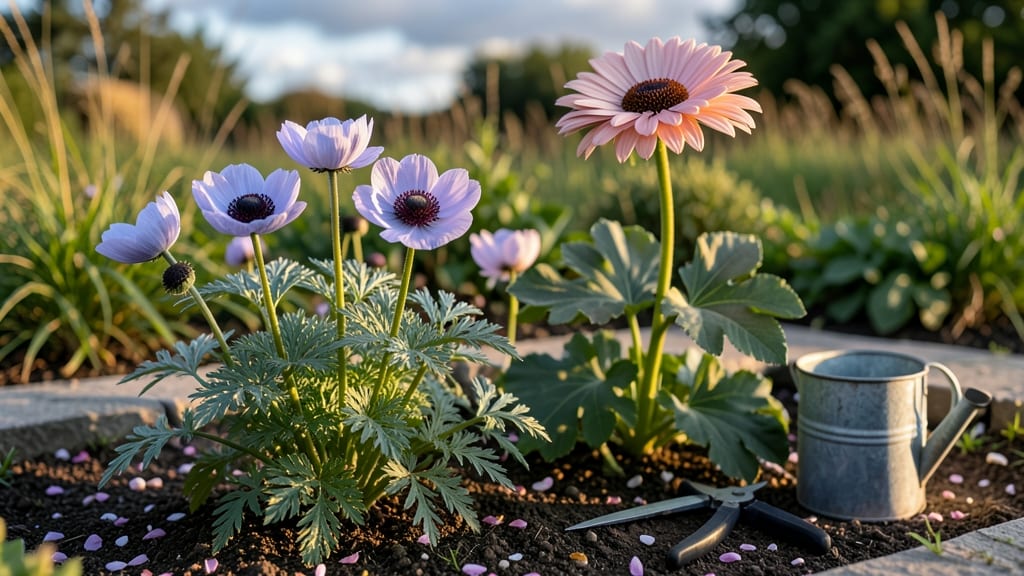
Anemones in season typically bloom between late spring and early fall**, with their peak flowering periods shifting based on your USDA zone. Warmer regions (Zones 7-10) enjoy blooms from May through September, while cooler climates (Zones 3-6) see them peak June through August. Early varieties like Anemone nemorosa open in spring, while late bloomers such as Anemone hupehensis shine in late summer to fall.
Understanding anemone bloom cycles starts with recognizing how temperature triggers their growth. 🌸 These delicate flowers need a period of cool weather to break dormancy, which is why spring-blooming varieties often appear earlier in northern zones.
In warmer climates, anemones may wait until summer heat subsides to open their striking petals. I’ve found that planting a mix of early and late varieties—like pairing Anemone coronaria with Anemone × hybrida—extends your garden’s color palette from May through October.
For gardeners aiming for continuous blooms, timing your plantings matters just as much as choosing the right species. Fall-planted anemones often establish deeper roots before winter, giving them a head start in spring.
If you’re in Zone 5, for example, planting in September ensures robust growth by next year’s bloom season. Pairing them with perennials like black-eyed Susans or coneflowers creates layered interest, as these companions thrive in similar conditions but bloom at different times.
💡 In This Article
- How USDA Zones Affect Anemone Bloom Timing
- Best Months to Plant Anemones for Year-Round Color
How USDA Zones affect Anemone bloom timing
Anemones rely on a biological process called vernalization, where they require a period of cold temperatures to trigger flowering. This explains why their bloom times shift dramatically between USDA Zones 3-6 and Zones 7-10.
In cooler northern climates (Zones 3-6), anemones often need 6-8 weeks of temperatures below 50°F to break dormancy, which is why you'll see peak blooms from June through August.
Conversely, warmer southern zones (7-10) experience milder winters, so anemones may wait until May or even June to bloom, extending their season until September.
The latitude difference creates a 3-4 week shift in bloom timing between northern and southern gardens. For example, Anemone nemorosa (wood anemone) typically blooms in April-May in Zone 5 but may wait until May-June in Zone 7 due to warmer winters.
Meanwhile, Anemone hupehensis (Japanese anemone) thrives in Zones 4-8, blooming from August-October, with southern gardens enjoying later fall color than northern ones. This zone-based timing is why gardeners in Zone 9 might see their anemones bloom in May and again in September, creating a natural staggered display.
Temperature thresholds also explain why some anemone varieties struggle in extreme climates. Anemone coronaria (poppy anemone), for instance, prefers Zones 7-10 and may fail to bloom in Zone 4 unless given winter protection.
The key is matching species to their native temperature ranges—Anemone blanda (Grecian windflower) thrives in Zones 3-8, while Anemone × hybrida (hybrid anemone) prefers Zones 5-9. This is why nurseries often label plants with both their bloom season and hardiness zone to avoid mismatches.
What most gardeners don't realize is that anemones use day-length (photoperiod) cues alongside temperature. As daylight increases in spring, the plants receive the signal to bloom, but only after satisfying their chilling requirements.
This dual trigger system explains why anemones in Zone 6 might bloom earlier than those in Zone 7—even if both experience similar spring temperatures, the Zone 6 plants had a longer winter chilling period.
For example, Anemone nemorosa in Zone 5 might bloom in late April, while the same variety in Zone 7 waits until mid-May.
Seasonal shifts also affect flower color intensity. Cooler climates (Zones 3-5) often produce brighter, more vibrant blooms because the plants experience more consistent temperature fluctuations. In warmer zones (7-10), anemones may develop lighter petals due to prolonged heat exposure.
This is why gardeners in Florida (Zone 10) sometimes see Anemone coronaria with pastel pink hues instead of the deep magenta found in Zone 8 gardens. The temperature difference alters pigment production in the petals.
To maximize bloom time, consider planting a mix of early (Anemone nemorosa), mid (Anemone × hybrida), and late (Anemone hupehensis) varieties. This creates a 3-month flowering window from May through August in most zones.
For example, pairing Anemone blanda (spring) with Anemone tomentosa (summer) ensures continuous color. The key is understanding each variety's chilling requirement and daylight needs to time their blooms perfectly. 🌸