
Vegetables
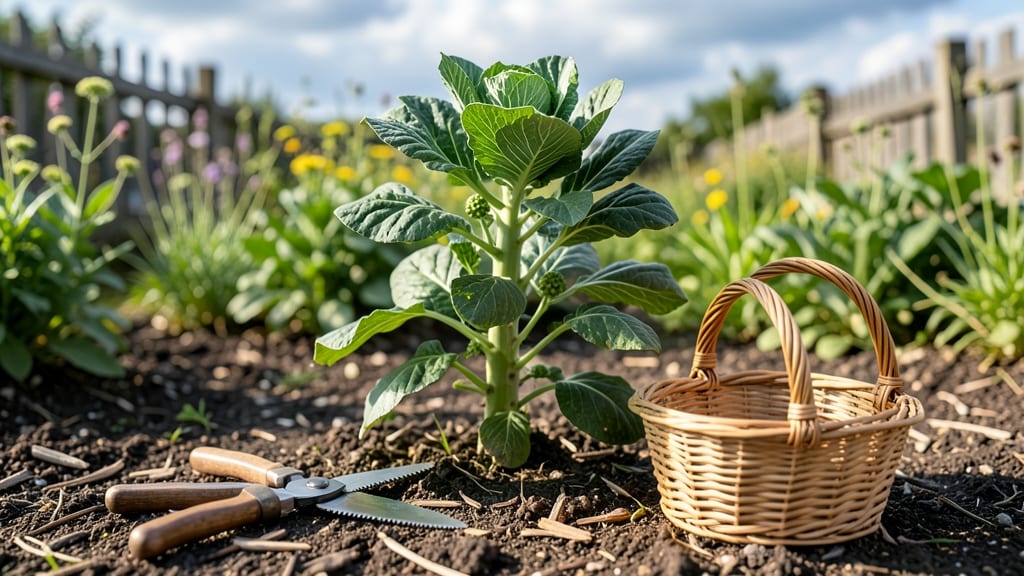
Brussel sprouts are seasonal vegetables that thrive in cool weather, with their peak harvest occurring between September and February in most temperate regions, though exact timing varies by growing zone and planting schedule.
These hardy greens actually prefer cooler temperatures, which is why they shine in fall and winter months. 🌱 The cooler weather helps them develop their signature sweetness and compact shape.
If you're in a warmer climate, you might find two smaller harvest windows—early spring and late fall—rather than one long season. Many gardeners also use row covers or cold frames to extend the growing period slightly, though true year-round production is challenging without greenhouses.
For those who want fresh Brussels sprouts outside their natural season, frozen varieties are a great alternative. They're harvested at peak ripeness and preserved, locking in flavor and nutrients. Plus, they're just as versatile in recipes—roasted, sautéed, or even raw in salads.
The key is understanding your local growing zone and planning accordingly, whether you're growing your own or shopping at farmers' markets.
💡 In This Article
- Brussel Sprouts Growing Seasons by Climate Zone
- Year-Round Brussels Sprouts: Extending Harvest with Gardening Hacks
Brussel sprouts growing seasons by climate Zone
Brussel sprouts thrive in cool weather, making them a classic fall and winter crop in most temperate regions. Their growth cycle is tightly linked to temperature—ideal conditions range between 45-75°F, with cooler nights (50-60°F) actually enhancing their sweetness.
This is why they're harvested primarily from September through February in zones like 5-8, where frost triggers flavor development. In warmer climates (zones 9-11), the growing season shifts to early spring (February-April) and late fall (September-November) to avoid summer heat stress.
The magic happens through a process called vernalization—where exposure to cold temperatures after planting stimulates growth. Young plants need 6-8 weeks of warm soil (above 60°F) to establish roots, but once they're 4-6 inches tall, they prefer cooler days (60-70°F) and cooler nights.
This dual-phase requirement explains why gardeners in colder zones plant in early summer (June-July) for fall harvests, while warmer zones may plant in late summer (August-September) for winter harvests.
Frost actually improves flavor by converting starches to sugars—a process called cold hardening. That's why Brussels sprouts left on the stalk through light frosts develop their signature sweetness.
In USDA Zone 3, gardeners often plant in late May for a September-October harvest, while Zone 10 growers might plant twice yearly—once in fall for winter harvest and again in early spring.
The key is avoiding summer planting, as temperatures above 80°F cause bolting (premature flowering) and bitter sprouts.
Daylight length also plays a role—Brussel sprouts are short-day plants, meaning they flower when daylight shortens. This natural clock explains why they mature reliably in fall/winter.
In northern latitudes (like Zone 4), the growing season might extend into early March if protected from harsh winds, while southern zones (like Zone 7) see harvests taper off by January as temperatures rise. The result?
A 3-5 month harvest window that varies by just 2-3 months between northern and southern climates.
For home gardeners, understanding these patterns means planning 60-90 days before first frost for main-season crops. In Zone 5, that's typically July planting for October harvest, while Zone 8 might plant in August for December harvest.
The 100-day rule applies: count backward from your first expected frost date to determine planting windows. This precision explains why grocery store availability mirrors these natural cycles—fresh Brussels sprouts disappear in summer because they simply can't grow then.
What's fascinating is how these patterns create regional flavor differences. Northern-grown sprouts often have more intense sweetness from longer cold exposure, while southern varieties might be slightly milder but larger.
The 30-50% size variation between northern and southern harvests stems from these climate differences—northern plants grow slower in cooler temps, producing tighter, sweeter buds. 🌟