
Planting
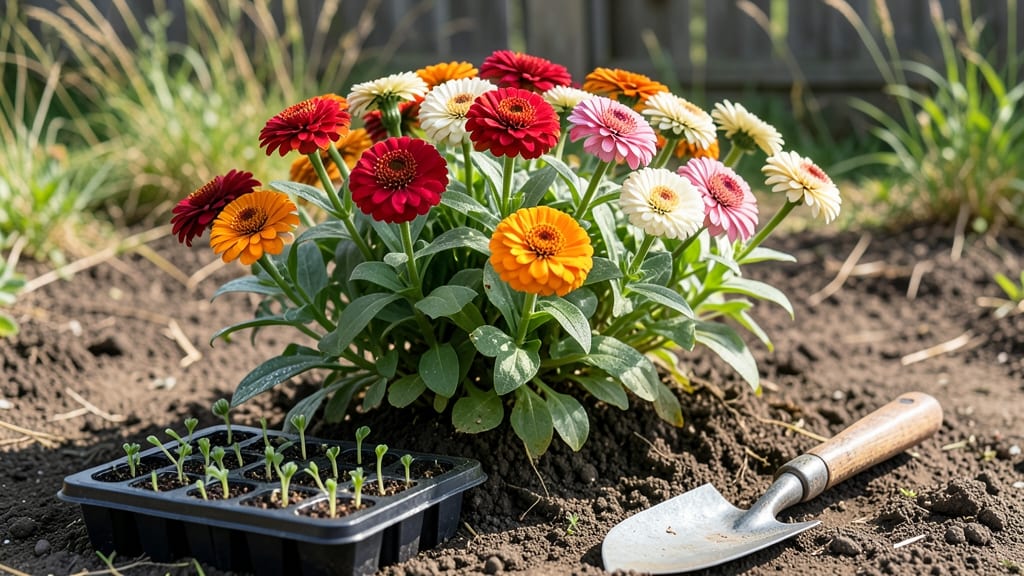
Planting season zones determine when to start planting based on USDA hardiness zone classifications, with cooler climates (Zones 1-4) typically beginning in late spring (May-June) and warmer regions (Zones 9-11) often starting as early as February-March. Local frost dates and microclimates play a key role in fine-tuning these timelines for successful gardening.
Understanding these planting season zones helps gardeners avoid frost damage while maximizing growing potential. 🌱 For example, Zones 5-7 often see the most variation—cool nights in May might delay planting tender crops, while early warm spells can encourage starting seeds indoors.
I always check my local last frost date and adjust by 2-4 weeks for heat-loving plants like tomatoes, which need consistent warmth to thrive.
What's interesting is how microclimates—like urban heat islands or sheltered valleys—can shift planting windows by weeks. Coastal areas might start earlier than inland regions just a few miles away, thanks to milder temperatures near large bodies of water.
For precise timing, I recommend using a planting zone calculator that factors in your specific location's history.
💡 In This Article
- How USDA Zones Determine Planting Timelines
- Zone-Specific Planting Calendars for Common Vegetables and Flowers
How USDA zones determine planting timelines
The USDA hardiness zone map divides North America into 13 zones based on average annual minimum temperatures, with each zone representing a 10°F range. Zone 1 (-60°F) is the coldest, while Zone 11 (50°F) is the warmest.
These temperature designations directly correlate with planting windows because cold-sensitive plants like tomatoes and peppers require soil temperatures above 55°F to germinate properly, while hardy crops like kale can tolerate 35°F or cooler.
Frost-free dates are the real game-changers here. The USDA calculates these based on historical data showing when temperatures consistently stay above 32°F for at least a week.
In Zone 3, where winters average -40°F to -30°F, gardeners typically wait until mid-May to plant frost-sensitive crops, while Zone 9 gardeners (with winters around 20°F to 30°F) can plant in February.
What's fascinating is how these dates shift geographically—coastal areas in Zone 7 might see their last frost in April, while inland locations could experience frost until mid-May.
Seed viability also factors into timing. Most vegetable seeds remain viable for 2-5 years if stored properly, but their germination rates drop significantly when planted outside optimal temperature ranges.
For example, pepper seeds need soil temperatures above 70°F to germinate, which is why Zone 4 gardeners often start them indoors under grow lights 8-10 weeks before the last frost date.
This indoor head start creates a buffer against unpredictable spring weather patterns that can delay outdoor planting by 2-4 weeks.
Microclimates add another layer of complexity to these calculations. A south-facing wall can create a 5-10°F warmer microclimate than the surrounding area, allowing for earlier planting of heat-loving crops.
Similarly, urban areas with concrete and asphalt (the "heat island effect") can experience 2-5°F warmer temperatures than rural areas just a few miles away. These localized variations mean gardeners should always observe their specific planting zone's historical frost dates rather than relying solely on the general USDA guidelines.
What most people don't realize is how soil temperature affects planting more than air temperature. A 40°F air temperature with full sun can create 60°F soil, perfect for planting warm-season crops, while shade can keep soil temperatures 10-15°F cooler.
This is why gardeners in transitional zones (like Zone 5-6) often use soil thermometers to determine when to plant—sometimes waiting for soil to warm to 60°F even if air temperatures are already in the 50s°F.
For those new to gardening, the most practical takeaway is to use the USDA zone as a starting point, then adjust by 2-4 weeks based on local frost records and microclimate conditions.
Many extension services offer free planting calendars that incorporate these variables, making it easier to plan your garden layout. The key is understanding that while the USDA provides a framework, your specific location's history and microclimate will determine your actual planting timeline. 🌱