
Vegetables
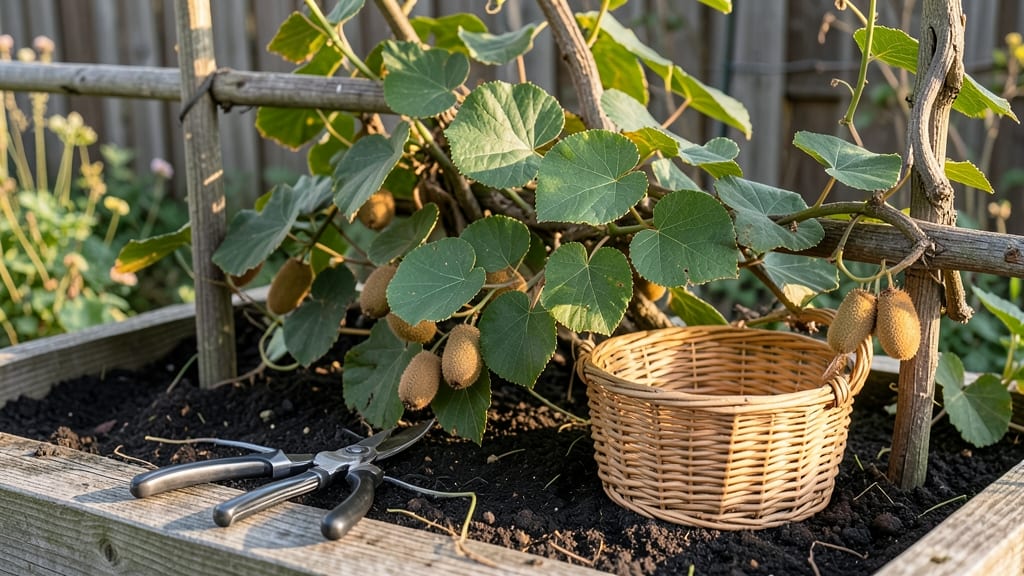
Kiwis are in season right now in late fall through early spring, peaking between November and March, with ripeness varying by region—New Zealand harvests year-round while U.S. stores rely on imports during off-seasons. Check local grocers for freshness cues like firmness and sweet aroma.
Right now, you're enjoying the prime window for kiwi fruit—especially in the Northern Hemisphere where these fuzzy gems shine brightest from November through March. 🌟 The key difference lies in where they're grown: New Zealand's mild climate allows for continuous harvests, while California's kiwis (like Hayward varieties) ripen later in the season.
This timing explains why store prices dip during winter months, as supply meets peak demand. For the freshest picks, look for fruits that yield slightly to gentle pressure and emit a sweet, tangy scent at the stem.
What many don't realize is how storage techniques play a role in your grocery store's selection. Kiwis are typically picked firm and green, then artificially ripened with ethylene gas during transport—this explains why they often arrive at stores still hard but develop perfect sweetness within days.
I always recommend buying a few extra when they're in season, since their vitamin C content peaks at ripeness and they store beautifully in the fridge for up to 3 weeks.
💡 In This Article
- Kiwi Seasonality: Global Harvest Cycles Explained
- How to Pick Perfectly Ripe Kiwis Year-Round
Kiwi seasonality: global harvest cycles explained
The kiwi's seasonal availability is a fascinating study in global agriculture.
New Zealand, the world's largest kiwi producer, enjoys a temperate climate that allows for year-round harvesting—meaning their orchards produce fruit continuously. 🌍 The country's mild winters (rarely dropping below 40°F) and summer highs around 75°F create ideal growing conditions.
In contrast, California's Hayward kiwi varieties (the most common in U.S. stores) ripen primarily from October through March, with peak harvests in December and January when temperatures average 50-60°F during the day.
Soil composition plays a crucial role in ripening times. New Zealand's volcanic soils are rich in minerals that accelerate fruit development, while California's kiwi vines thrive in well-drained, slightly acidic soils. The key difference?
New Zealand's vines produce fruit that's ready to harvest within 120-150 days of flowering, while California's varieties take 160-180 days—this extra time explains why Northern Hemisphere kiwis arrive later in the season.
Storage techniques further extend availability: Kiwis are often picked 2-3 weeks before full ripeness and shipped in controlled-atmosphere containers with 1-2% oxygen levels to slow ethylene production and maintain firmness.
This global dance of supply and demand affects what you find in stores.
During Northern Hemisphere winters, New Zealand's continuous harvests ensure steady supply, while California's later-season varieties create a natural shortage until December. 🍈 What's interesting is how this timing aligns with nutritional needs—kiwis' vitamin C content peaks during winter months, making them a seasonal powerhouse for immune support. The trade-off?
Imported kiwis often arrive less flavorful than locally grown ones, since their journey from orchard to table can take 2-3 weeks, during which sugars convert to starches.
Understanding these cycles helps explain why store prices fluctuate. When California's harvest peaks in December, wholesale prices drop 20-30% due to increased supply, while early-season kiwis (November) command premium prices.
The same fruit from New Zealand might cost $1.29/lb in January, while California-grown Haywards sell for $1.99/lb in December—this price gap reflects both transportation costs and seasonal scarcity.
For the freshest taste, look for kiwis with a bright green interior and minimal brown spots, as these indicate recent harvesting and minimal storage time.
What most shoppers don't realize is how post-harvest handling affects ripeness. Kiwis are typically treated with 100-200 ppm ethylene gas during shipping to initiate ripening, which explains why store-bought kiwis often need 2-4 days at room temperature to reach peak sweetness.
This controlled ripening process means you can buy slightly firm kiwis and enjoy them at their sweetest within a week—just place them in a paper bag with an apple or banana to accelerate the process through natural ethylene release.
For home growers or those curious about kiwi cultivation, the Actinidia deliciosa vine's growth cycle offers another layer of complexity. Male and female flowers must be pollinated separately (kiwi vines are dioecious), and fruit takes 90-120 days to mature after pollination.
This biological quirk means even commercial orchards must carefully manage pollination schedules to ensure consistent harvests—another reason why imported kiwis often have more uniform ripening than homegrown varieties.