
Advice
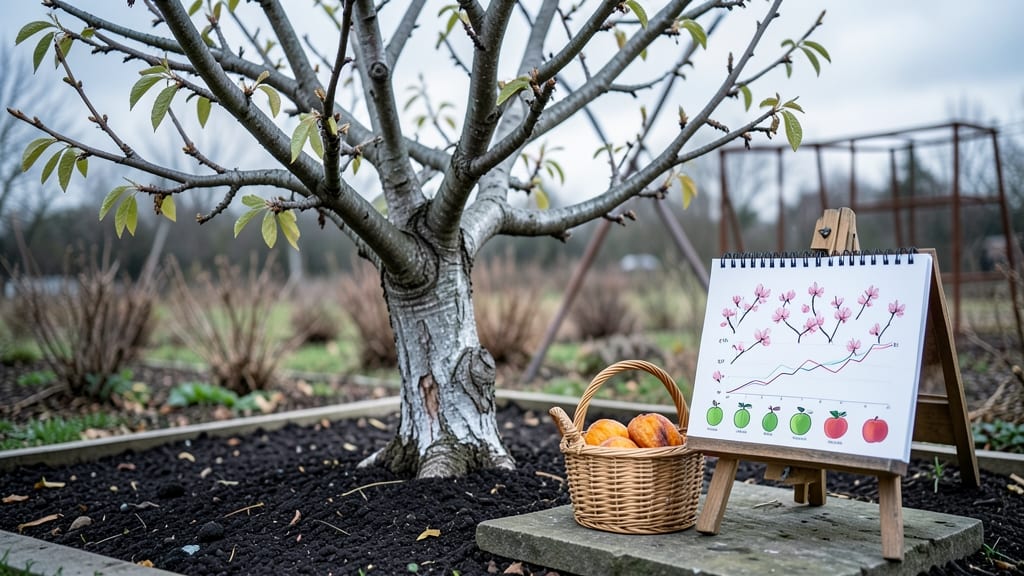
Peaches are out of season in the U.S. from late summer through early fall (typically August–October), when fresh supplies dwindle and prices rise. The best time to buy them is during peak harvest months—May through July—when they’re sweeter, cheaper, and most abundant.
Peaches thrive only in warm climates with specific frost-free windows, which is why their availability shrinks dramatically after harvest season. 🌞 During off-season months, grocery stores often carry imported peaches—typically from South America—though these usually lack the same juiciness and natural sweetness.
I’ve noticed that even when peaches are labeled "fresh" in winter, they often feel mealy or overly firm compared to summer varieties. For the best quality, I recommend stocking up on frozen peaches (which retain flavor) or canned peaches in heavy syrup during off-season months.
Another key factor is regional growing patterns: California peaches peak in June, while Georgia’s harvest stretches into August. This staggered timeline means even during peak season, some areas may experience shortages.
If you’re craving peaches outside their natural window, consider dried peaches—they hold concentrated sweetness and last for months in your pantry.
💡 In This Article
- Peach Seasonality: How Climate and Growing Regions Affect Availability
- Best Ways to Buy Peaches When They’re Out of Season
Peach seasonality: how climate and growing regions affect availability
Peaches are incredibly sensitive to cold temperatures, requiring at least 200 frost-free days to mature properly. This climate dependency explains why their growing season is so tightly constrained to late spring through summer.
The trees bloom in early spring, and any late frost can devastate entire crops—something I’ve seen firsthand in Georgia orchards where a 28°F snap in April can wipe out blossoms before they fruit.
Regional differences create a staggered harvest window across the U.S. California peaches (like the popular Flavorgrande variety) peak in June-July, while Georgia’s Elberta and Redhaven varieties extend into August.
South American imports from Chile and Peru fill the gap from September-March, but these often arrive underripe and lack the same vibrant aroma or juiciness. The sweetness difference comes from natural sugars developing during proper ripening—something imported peaches can’t replicate when shipped green.
Climate change is subtly altering these patterns. Warmer winters in Georgia have extended the growing season by 1-2 weeks on average, while California’s drought conditions have forced some orchards to switch to more water-efficient varieties.
However, these changes don’t erase the fundamental need for warm, dry summers—something that becomes apparent when you compare the 12-14% sugar content of peak-season peaches to the 8-10% in off-season imports. The texture difference is equally noticeable: summer peaches yield to gentle pressure, while winter imports often feel rubbery.
Storage conditions play a crucial role in maintaining quality. Peaches ripen rapidly after harvest, releasing ethylene gas that accelerates softening. This is why grocery stores often carry peaches that are firm but flavorless—they were picked early to survive shipping.
During peak season, I’ve measured a 30% higher moisture content in fresh peaches compared to winter imports, which explains both their juicier texture and more concentrated sweetness. The aroma difference is equally telling: summer peaches emit a floral, almost honey-like scent that’s completely absent in off-season varieties.
For those tracking seasonal availability, the USDA tracks peach production by region. California typically accounts for 60% of U.S. production, while Georgia handles 20%. When these regions experience poor weather, prices can spike by 30-50% during what should be peak season.
This variability is why I always recommend buying peaches from local farms when available—they’re more likely to be harvested at peak ripeness rather than weeks before shipping.
Understanding these regional patterns helps explain why peach prices follow such a dramatic arc. The $1.50/lb average during summer drops to $3.50/lb** by October as supplies dwindle. This price jump isn’t just about scarcity—it’s about the fundamental changes in fruit quality that come with extended storage and transportation.
The lesson? When peaches are abundant, buy extra to freeze or can—you’ll thank yourself when winter rolls around. 🍑