
Vegetables
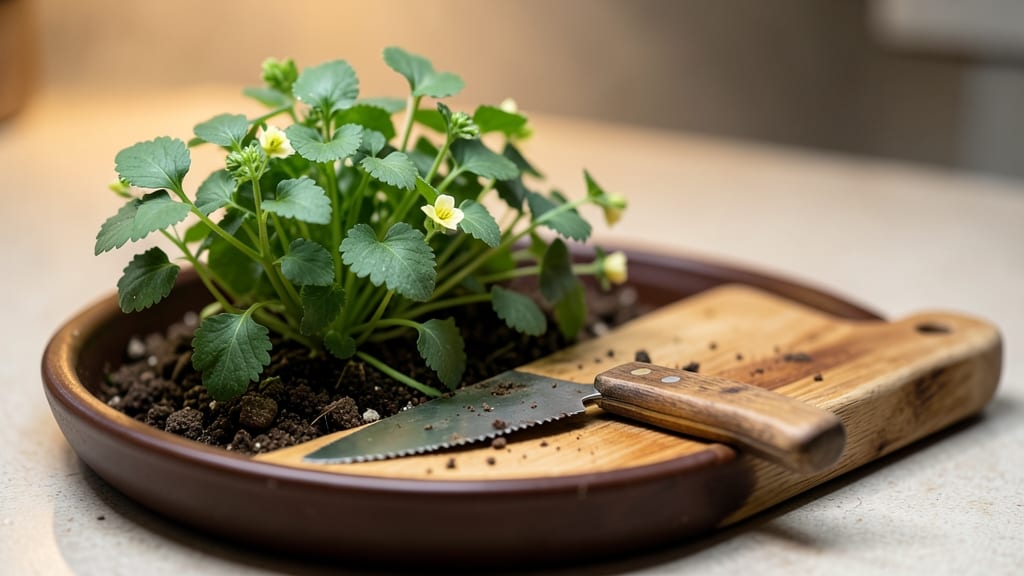
Sprouts thrive best in cooler temperatures, which is why they're most abundant during spring and fall harvests. 🌱 The mild weather slows down their growth cycle, concentrating nutrients and flavor. For gardeners, this means planting seeds in early spring or late summer yields the freshest results.
Even when not at peak season, grocery stores maintain consistent supplies through controlled environments, though homegrown sprouts always deliver superior taste and texture.
What's interesting is how regional climates shift these windows—southern states might enjoy fall harvests later, while northern areas get extended spring seasons. This variability means your local farmers' market could have fresh sprouts even outside the typical peak months, especially if you ask growers about their planting schedules.
💡 In This Article
- Sprout Growing Seasons by Climate Zone
- Best Ways to Enjoy Sprouts When Out of Season
Sprout growing seasons by climate zone
Sprouts thrive in cooler temperatures, which is why their peak seasons align with spring and fall harvests. In USDA Hardiness Zones 3-6 (northern regions), gardeners typically plant seeds in early spring (March-April) when soil temperatures hover around 50-60°F.
Frost sensitivity varies by type—alfalfa sprouts, for example, can tolerate light frosts, while delicate varieties like clover may need protection below 32°F. Southern zones (7-10) extend growing windows into late fall (October-November) due to milder winters.
The key difference between outdoor and indoor cultivation lies in temperature control. Outdoor sprouts rely on natural seasonal shifts, while indoor setups maintain 65-75°F with artificial lighting year-round.
This explains why grocery stores offer consistent supplies—many commercial growers use controlled environments to bypass seasonal limitations. 🌱 What's fascinating is how regional microclimates create exceptions: coastal areas might have extended spring harvests due to ocean moderation, while inland zones face sharper seasonal contrasts.
For home gardeners, planting windows depend on your zone but generally follow this pattern: spring (March-May) for cooler climates and fall (September-November) for warmer ones. The 100-day rule applies—plant seeds when you can count back 100 days from your first expected frost date.
This ensures sprouts mature before cold snaps damage tender leaves. In Zone 8, for instance, you might get two harvests: one in early spring and another in late fall.
Light quality matters just as much as temperature. Sprouts need 12-16 hours of light daily for optimal growth, which is why indoor growers use full-spectrum LED bulbs. Outdoor plants benefit from natural sunlight but may bolt (flower prematurely) if exposed to long summer days.
This is why many growers use shade cloth during peak summer months to regulate growth cycles and maintain leafy, edible sprouts rather than flowering plants.
Here's how to translate these factors into actionable growing tips:
- Northern climates: Start seeds indoors in February for spring harvests; use row covers to extend season
- Southern climates: Plant in September-October for fall/winter harvests; provide afternoon shade in summer
- Indoor growing: Maintain 65-75°F and 12+ hours of light for continuous harvests
The most nutrient-dense sprouts come from 3-7 day growth cycles—this is when they concentrate vitamins like vitamin C and folate. Waiting too long risks bitterness or flowering. 💫