
Vegetables
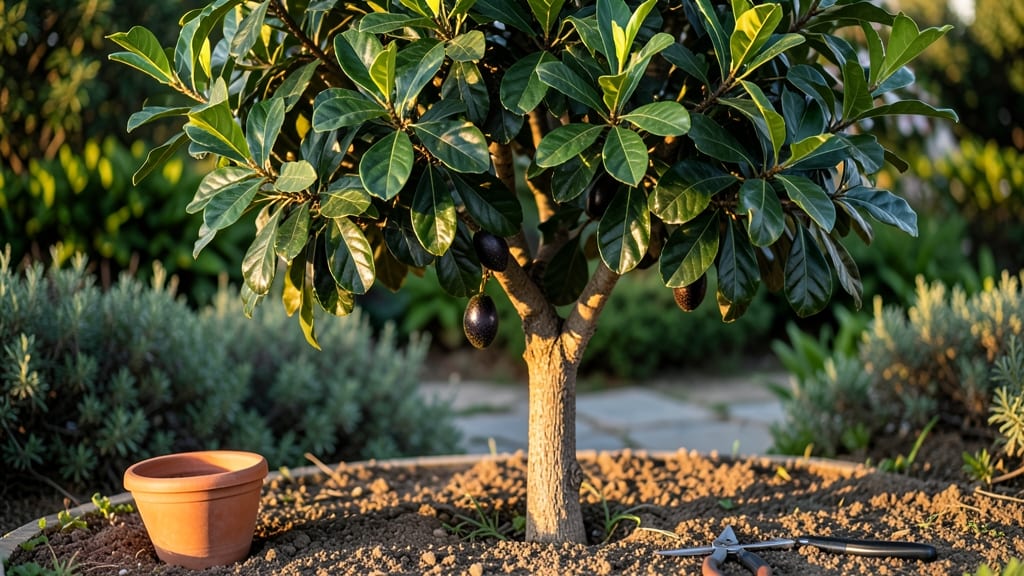
Avocados are tropical trees that struggle with chilling temperatures below 32°F, which can kill young trees and damage mature ones. 🌱 The Hass variety stands out as the most cold-resistant, surviving brief dips to 18°F with proper protection.
Growing in containers lets you move trees indoors during winter, while mulching and windbreaks create microclimates that mimic warmer conditions. Even in marginal zones, these strategies can extend the growing season significantly.
For gardeners in zones 8 or cooler, consider dwarf varieties like Mexicola or Bacon, which handle cooler temperatures better than standard types. These adaptations let you enjoy homegrown avocados even where the climate isn't naturally ideal. The key is understanding your local frost patterns and planning protection accordingly.
💡 In This Article
- USDA Zones for Avocado Trees: Exact Temperature Thresholds
- Cold Protection Strategies for Avocados in Non-Ideal Zones
USDA zones for avocado trees: exact temperature thresholds
Avocado trees belong to the Persea americana species, which evolved in tropical climates where temperatures rarely fall below 50°F. The USDA zones 9b through 11 represent their ideal growing range because these areas experience winter lows between 25°F and 40°F.
Zone 9b (25-30°F) marks the northern limit where mature trees can survive brief cold snaps, while zone 11 (40-50°F) offers the most consistent tropical conditions. The critical threshold is 25°F—any colder, and you risk leaf damage or even tree death.
Here's how frost affects different parts of the tree: Leaves begin showing damage at 32°F, turning brown within hours, while young shoots may die back completely. The fruit itself is more resilient but suffers from 28°F and below, developing blackened spots that render it inedible.
The root system can tolerate 25°F for short periods, but prolonged exposure weakens the tree's ability to absorb water. This chilling sensitivity explains why avocados struggle in colder climates—their tropical origins make them highly specialized for warmth.
The Hass variety stands out as the most cold-hardy, capable of surviving brief dips to 18°F when properly protected. This resilience comes from its thicker leaf cuticle and deeper root system compared to other varieties like Fuerte or Reed.
However, even Hass trees need protection below 28°F. The science behind this involves cold acclimation—a process where plants adjust their cellular structures to survive chilling, but avocados lack this adaptation due to their tropical heritage.
Temperature isn't the only factor—humidity plays a crucial role. Avocados thrive in areas with 50-80% relative humidity, as low humidity increases transpiration (water loss through leaves), making them more vulnerable to cold stress.
Coastal areas in zones 9b-11 often provide this ideal combination of warmth and moisture, while inland regions may require additional irrigation during winter months to compensate for drier air.
For gardeners in marginal zones, understanding your local frost patterns is essential. Even in zone 9a (20-25°F), avocados can succeed with protection, while zones 8 and below (10-20°F) typically require container cultivation.
The key is creating a microclimate that mimics the tree's natural tropical environment, whether through mulching, windbreaks, or frost cloths.
Consider this comparison: A mature Hass tree in zone 10a (30-35°F) may produce fruit annually, while the same tree in zone 9b (25-30°F) might need protection during 2-3 cold snaps per year to survive.
In zone 8 (10-20°F), container growing becomes essential, allowing you to move the tree indoors during winter months when temperatures drop below 32°F.