
Container Gardens
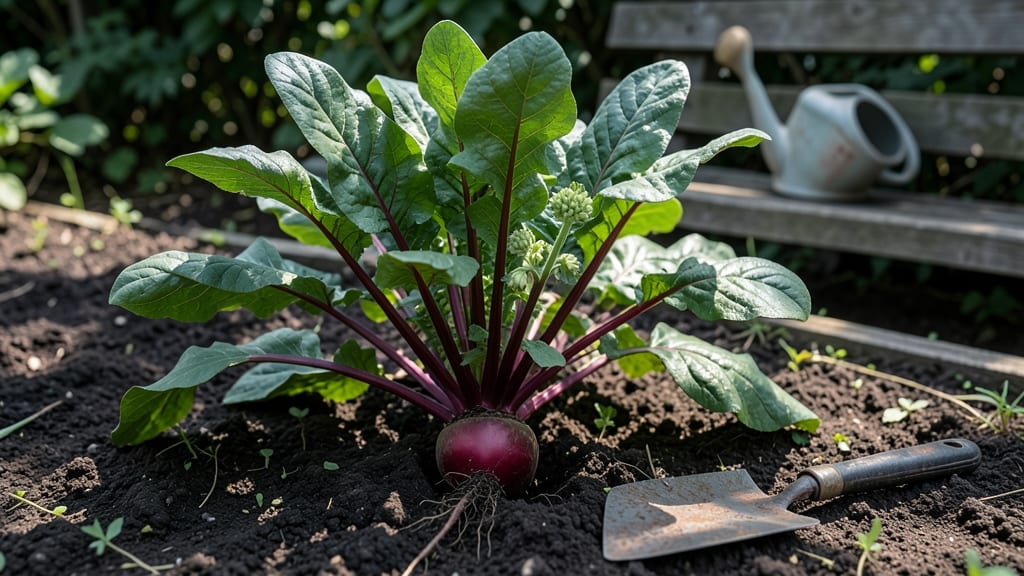
Growing beets during their ideal season ensures sweet, tender roots instead of tough, bitter ones—so timing matters more than you might think.
Picture this: you’ve prepped the soil, sown your seeds, and waited patiently, only to pull up woody, underwhelming beets because you planted them too late or too early. That’s the risk when you ignore the cool-season rules for this hardy crop.
In USDA Zone 6a (like much of the Midwest), your best bet is to start seeds in early March or late August—just before the last frost or after summer’s peak heat.
But if you’re in a warmer zone, like Zone 9, you’ll want to focus on fall planting to avoid the heat.
Below, I’ll break down the exact planting windows by zone, soil prep tips, and how to stretch your harvest with smart companion planting—so you can enjoy those glossy, earthy beets all season long.
Beet growing season by USDA Zone: planting months for sweetest harvests
Beets thrive in cool weather but bolt in heat, making timing critical for your USDA zone. Plant too early, and frost will stunt growth; too late, and your harvest turns bitter.
The key? Strategic planting windows tailored to your climate zone—whether you're in Zone 3's harsh winters or Zone 10's mild year-round growing. Let’s break down the exact months to sow for sweet, tender beets across all regions.
For northern zones (3-6), focus on early spring and fall plantings when soil temps hover between 45°F and 85°F. In southern zones (7-10), you can stretch your season with summer shade and fall succession plantings.
Below, I’ve mapped out the optimal planting months by zone, plus soil temperature triggers to avoid common pitfalls like bolting or woody roots.
📌 PRO TIP: Use row covers in early spring or mulch heavily in summer to regulate soil temps and extend your harvest window. This simple trick can add 4-6 weeks to your growing season in marginal zones.
In Zones 3-4, where winters are brutal, spring planting starts as soon as soil is workable (around late April). Use cold-hardy varieties like Detroit Dark Red to withstand early frost.
For fall harvests, sow seeds 8 weeks before your first frost date—typically mid-August in these zones. Mulch with straw to insulate roots and prevent bolting when temps dip.
Zones 5-6 offer the most flexibility with two full seasons. Plant early spring (April) for a June–September harvest, then succession plant every 2 weeks for continuous yield. For summer plantings, opt for heat-tolerant varieties like Chioggia and provide afternoon shade to prevent bolting. Fall plantings should begin by mid-July to harvest before winter sets in.
Southern gardeners in Zones 7-10 can grow beets almost year-round, but summer heat is the biggest challenge. Avoid planting between June and August unless you use shade cloth (30–50% coverage) or grow bolting-resistant varieties like Cylindra.
Instead, focus on fall and winter plantings—sow seeds in August for a November harvest or October for a January–March crop.
🌡️ SOIL TEMP MATTERS: Beet seeds won’t germinate below 45°F or above 85°F. Use a soil thermometer to confirm temps before planting. In Zones 9-10, winter planting (October–November) works because cool nights and mild days keep roots sweet. Spring plantings in these zones should happen by February to avoid summer’s peak heat.
Regional tweaks can make all the difference. For example, Pacific Northwest gardeners (Zone 7-8) often plant early spring and late summer to avoid bolting from long daylight hours. Meanwhile, Southeastern growers (Zone 8-9) might skip summer entirely and rely on fall/winter crops for the sweetest beets. Test your soil’s pH (aim for 6.0–7.0) and amend with compost to ensure optimal growth.
Protect your investment with companion planting. Beets pair well with lettuce, onions, and brassicas but avoid planting near pole beans or sunflowers, which compete for nutrients. Interplant with radishes—
How to extend your beet growing season for year-round harvests
Beets are one of the most versatile vegetables in your garden, thriving in both cool spring and mild fall temperatures. But with the right strategies, you can enjoy fresh beets for nearly the entire year.
The key lies in selecting the right varieties for each season and protecting them from temperature extremes.
For early spring harvests, opt for cold-hardy varieties like 'Detroit Dark Red' or 'Golden', which tolerate light frosts. In summer, heat-tolerant types such as 'Ruby Queen' or 'Chioggia' prevent bolting. Fall plantings benefit from succession sowing every 2-3 weeks to keep a steady supply.
- Choose cold-hardy varieties like 'Early Wonder' for spring, planted 4-6 weeks before last frost.
- Use row covers or mulch to extend fall harvests by 2-3 weeks past first frost.
- Plant heat-tolerant beets in late summer for fall harvests, avoiding bolting from long days.
- Practice succession planting every 2-3 weeks in spring and fall for continuous harvests.
- Companion plant with onions or garlic to deter pests like leaf miners and beetles.
Row covers are a game-changer for extending your beet season. Lightweight fabric shields young plants from late spring frosts and early fall chills, allowing you to plant earlier in spring or later in fall. Simply drape the cover over your rows and secure the edges with bricks or stakes.
Mulching is another essential technique. Apply a 2-3 inch layer of straw or shredded leaves around your beet plants to regulate soil temperature. This keeps roots cool in summer and insulated in winter, preventing stress and ensuring consistent growth.
Companion planting also plays a crucial role in protecting your beets. Pair them with onions, garlic, or lettuce, which naturally repel pests like leaf miners and beetles. Avoid planting near pole beans, as they compete for nutrients and stunt growth.
For a year-round supply, start with spring plantings in early March, followed by summer succession every 3 weeks, and fall plantings in late July or August. With these strategies, you’ll enjoy fresh, sweet beets from early spring through late fall—no grocery store needed!