
Planting
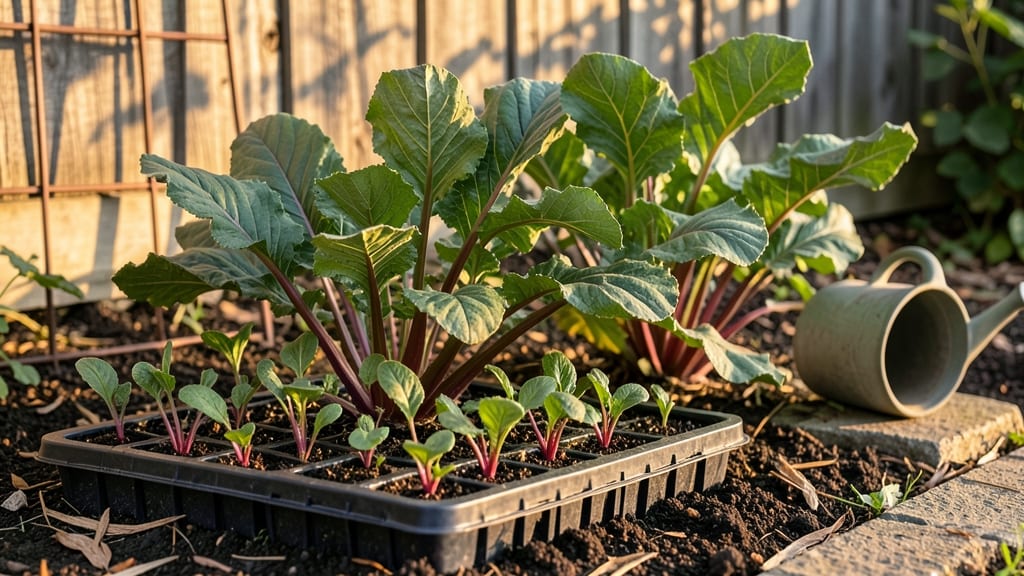
Planting beets in the right season means the difference between tender, sweet roots and tough, bitter ones that take forever to cook.
You’ve probably pulled a beet from the garden only to find it woody or underwhelming—that’s the result of planting too late or too early. Beets thrive in cool weather, so timing matters more than you might think.
In most regions like USDA Zone 6a, the best planting windows are early spring (March–May) and late summer (August–September). These months give your 🍠 beets the ideal soil temperatures (45–85°F) for fast germination and a flavorful harvest.
Below, I’ll break down the exact months for your climate, how to prep soil for success, and the simple spacing tricks that keep beets from bolting—so you can enjoy fresh, homegrown beets all season long.


Best months to plant beets for fast germination and sweet harvests
Timing your beet planting season is everything—get it right, and you’ll enjoy sweet, tender roots in just 6-8 weeks. Plant too early or late, and you risk bitter flavors or slow germination.
Beets thrive in cool weather (ideal soil temps: 45-85°F) and struggle when temperatures climb above 80°F. Let’s break down the perfect windows for your region.
Most gardeners plant beets in early spring (as soon as soil is workable) and late summer for a fall harvest. In USDA Zones 3-5, start seeds 4-6 weeks before your last frost date.
In warmer Zones 7-10, focus on fall planting to avoid summer heat stress. Your local climate dictates whether you’ll need just one planting or two for continuous harvests.
⚠️ NON-NEGOTIABLE: Beets planted in hot summer months (June-August in most zones) often bolt (go to seed) or develop wooden, fibrous roots. The key is to align your planting with soil temperatures—never exceed 85°F for optimal growth.
| Planting Window | USDA Zones | Soil Temp (°F) | Harvest Window | Key Notes |
|---|---|---|---|---|
| Early Spring | 3-10 | 45-70°F | June-July | Plant 4-6 weeks before last frost. Use row covers if frost threatens. |
| Late Summer | 3-8 | 60-80°F | October-November | Sow 8-10 weeks before first frost. Avoid planting after September 1 in warm zones. |
| Fall (Cool Climates) | 5-7 | 50-75°F | December-February | Cold-hardy varieties like 'Detroit Dark Red' survive light frosts. |
| Spring (Warm Zones) | 8-10 | 65-85°F | August-September | Use shade cloth to protect from intense sun. Harvest before 90°F soil temps. |
For fastest germination, aim for soil temps between 50-75°F. If your spring arrives late, opt for heat-tolerant varieties like 'Cylindra' or 'Gold', which handle warmer soils better than traditional red beets. Always plant seeds ½ inch deep—deeper planting slows sprouting and can lead to rot.
In northern climates (Zones 1-4), start seeds indoors 4-6 weeks before transplanting to extend your growing season. Use biodegradable pots to avoid root disturbance.
In southern zones (9-11), focus on fall and winter plantings—beets grow slowly in winter but produce sweeter roots when exposed to cooler night temps.
Pro tip: Succession plant every 2 weeks in spring and fall to ensure a steady supply. Thin seedlings to 3-4 inches apart—crowding leads to small, misshapen roots. Mulch with straw or grass clippings to maintain even moisture and suppress weeds, which compete for nutrients.
If you’re in a transition zone (6-8), time your first planting for late winter/early spring (February-March) and your second for mid-summer (July-August). This two-pronged approach gives you harvests in early summer and fall, avoiding the dog days of summer entirely.
Watch for bolt-resistant varieties if you live in a short-season climate. Types like 'Babybeat' or 'Chioggia' mature faster (40-50 days) and tolerate slight heat better than heirloom varieties. Always check your seed packet for days to maturity—this determines your planting deadline.
Never plant beets where tomatoes or other nightshades grew the previous year—these plants share diseases. Instead, rotate with beans, lettuce, or onions, which improve soil health. Amend your soil with compost or aged manure before planting to ensure loose, fertile soil—beets hate compacted or rocky ground.
For sweetest flavors, harvest beets when roots reach 1-3 inches in diameter. Larger beets become tough and woody. Store harvested beets in the fridge for up to 2 weeks—never in the freezer, as they’ll turn mushy.
With the right timing, you’ll enjoy homegrown beets from spring through fall—no bitter aftertaste in sight!
How to extend the beet planting season for continuous harvests
Beets are one of the most rewarding vegetables to grow, but their short harvest window can be frustrating. The key to enjoying fresh beets all season is succession planting and choosing the right varieties for your climate.
By extending your planting season, you can avoid the bitter, woody roots that develop when beets mature too slowly. I’ve learned that strategic timing and variety selection can give you beets from early spring through fall.
Start by selecting cold-hardy varieties like 'Detroit Dark Red' or 'Golden' for early spring and late fall plantings. These varieties tolerate cooler temperatures better than others, allowing you to plant as soon as the soil reaches 45°F.
For summer harvests, opt for heat-tolerant types such as 'Chioggia' or 'Boltardy', which resist bolting in hot weather. Combining these varieties with succession planting ensures a steady supply.
🌱 5 Key Steps to Extend Your Beet Season
- 1. Plant in Successive Waves: Sow seeds every 2-3 weeks from spring to early summer, then again in late summer for fall harvests. This prevents a single overwhelming harvest and ensures fresh beets all season.
- 2. Choose the Right Varieties: Use cold-tolerant types for spring/fall and heat-resistant types for summer. For example, 'Early Wonder' germinates quickly in cool soil, while 'Keeper' stores well for winter harvests.
- 3. Prepare Soil Properly: Loosen soil to 12 inches deep and mix in compost to improve drainage. Beets hate soggy soil, which can cause rot. Aim for a pH of 6.0-7.0 for optimal growth.
- 4. Mulch to Regulate Temperature: Apply 2-3 inches of straw or shredded leaves after planting. Mulch keeps soil cool in summer and insulates roots in winter, preventing bolting and frost damage.
- 5. Thin Seedlings Correctly: When seedlings are 2 inches tall, thin to 3-4 inches apart. Overcrowding leads to small, misshapen roots. Use scissors to avoid disturbing nearby plants.
Another trick I’ve used is interplanting with fast-growing crops. For example, sow radishes between beet rows—they mature quickly and mark where beets are growing, preventing overcrowding. Radishes also help break up compacted soil, giving beet roots room to expand. This dual-purpose approach maximizes space and extends your harvest timeline.
Don’t forget about fall planting for winter storage. If you live in a mild climate (USDA zones 7-10), you can plant beets in late summer or early fall for a harvest before the first frost.
Varieties like 'Winter Keeper' store well in cool, dark conditions. To prepare, harvest beets before hard frosts, then cure them in a dry, shaded area for 2-3 days before storing in a humidity-controlled space.
Finally, watch for signs of bolting, which happens when beets sense warm weather and flower prematurely. To prevent this, keep soil consistently moist and avoid planting too early in spring or too late in summer.
If you notice flower stalks forming, harvest the beets immediately—they’ll be sweeter and more tender before bolting fully.
With these techniques, you’ll enjoy fresh, homegrown beets from spring through fall—no store-bought substitutes needed! The secret lies in planning ahead, choosing the right varieties, and giving your beets the ideal growing conditions at every stage. Happy planting! 🌱