
Container Gardens
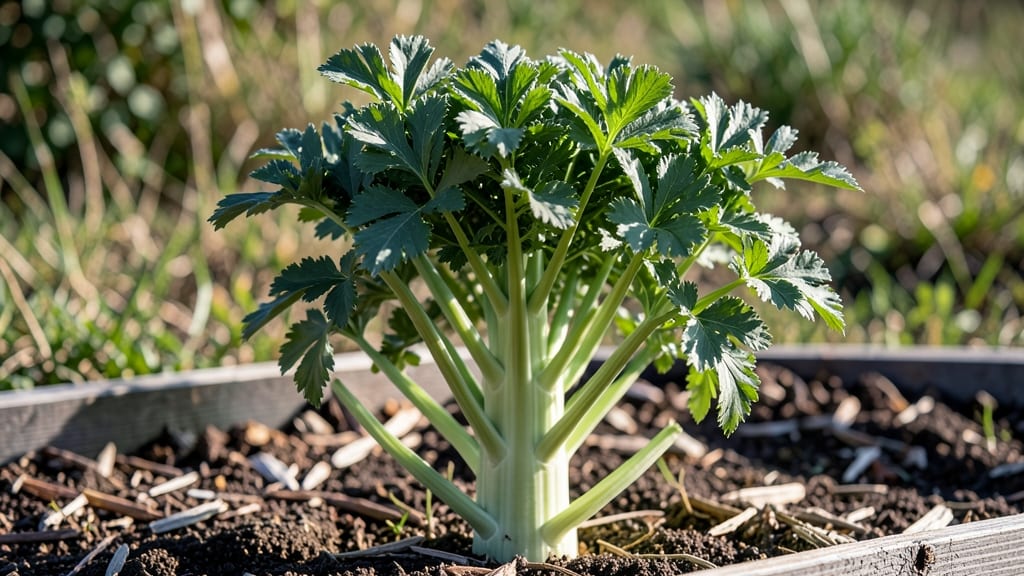
Growing celery in the right season is the secret to crisp, flavorful stalks that outshine store-bought 🥬—and missing the window means bitter, tough, or bolted plants.
If you’ve ever pulled a celery plant from the garden only to wince at its rubbery texture, you’re not alone. The problem isn’t the soil or the water—it’s the timing. Celery thrives in cool weather, and planting too early or too late throws off its delicate balance.
In USDA Zone 6a, the ideal celery growing season runs from March to April for spring harvests and August to September for fall crops. But regional differences mean your neighbor’s success might not match yours.
Below, I break down the exact planting months for your zone, plus how to extend the season with cold frames and row covers.
You’ll also discover the 3 most common timing mistakes that sabotage harvests—and how to avoid them, whether you’re growing in containers or garden beds.
Celery planting calendar by USDA zone: when to start seeds indoors and outdoors
Celery thrives when planted at the right time, but its cool-season requirements make timing tricky. In USDA zones 3-10, you can grow celery in both spring and fall, but the exact months vary dramatically by region.
Whether you're starting seeds indoors or transplanting young plants, this calendar ensures your celery matures before frost strikes—or bolts from heat stress.
The key to success? Start seeds indoors 10-12 weeks before your last frost date or transplant hardened-off seedlings when soil reaches 50°F (10°C). Below, I’ve broken down the ideal planting windows for each zone, including both spring and fall cycles for continuous harvests.
📅 Pro Tip: Use a frost-free date calculator for your ZIP code (like the Old Farmer’s Almanac) to pinpoint exact dates. Celery needs 120-150 days to mature, so late starts risk harvests cutting into winter.
| USDA Zone | Indoor Seed Start (Spring) | Outdoor Transplant (Spring) | Indoor Seed Start (Fall) | Outdoor Transplant (Fall) | Harvest Window |
|---|---|---|---|---|---|
| 3-4 | March 15–April 1 | May 1–May 15 | July 15–August 1 | August 15–September 1 | July–August (spring) / Oct–Nov (fall) |
| 5-6 | March 1–March 15 | April 15–April 30 | July 1–July 15 | August 1–August 15 | June–July (spring) / Sept–Oct (fall) |
| 7-8 | February 15–March 1 | March 15–March 31 | June 15–July 1 | July 15–July 31 | May–June (spring) / Aug–Sept (fall) |
| 9-10 | January 15–February 1 | February 15–March 1 | May 15–June 1 | June 15–July 1 | April–May (spring) / July–Aug (fall) |
Adjust dates 1-2 weeks earlier for shorter seasons or later for longer frost-free periods.
In USDA zones 3-4, where winters are harsh, focus on spring planting and use row covers to extend fall harvests. The 120-day maturity window means you’ll need to start seeds by March 15 to avoid frost cutting your harvest short.
Warmer zones like 7-10 can squeeze in two full harvests per year. Start spring seeds in late January for early transplants, then repeat in mid-June for a fall crop. Just watch for bolting—celery hates heat over 80°F (27°C), so use shade cloth in peak summer.
🌱 Container Growers: Celery thrives in pots but needs 5-gallon containers for full-size plants. Follow the same zone-based timing, but transplant 1-2 weeks later since containers cool faster. Use moisture-retentive potting mix to prevent drought stress.
For fall planting, aim to transplant seedlings 8-10 weeks before your first frost. In zones 5-6, that’s mid-August; in zones 9-10, you can push it to early July. Use cold-hardy varieties like ‘Winter Pasca’ to tolerate light frosts.
Miss the window? Don’t despair—succession planting lets you stagger seeds every 2 weeks for a staggered harvest. Just reduce your final planting to 6 weeks before frost to ensure maturity. Pair this with drip irrigation to keep soil evenly moist.
⚠️ Common Mistake: Planting celery too early in cold soil (below 50°F) stunts growth. Use a soil thermometer to confirm warmth before transplanting. In zones 3-4, wait until May 1 or later for outdoor planting.
To maximize your harvest, pair celery with companion plants like bush beans or lettuce, which thrive in its shade. Avoid planting near cucumbers or potatoes, which compete for nutrients. With this calendar, you’ll enjoy crisp, homegrown celery from late spring through fall—no store-bought bitterness here! 🥬
How to extend your celery growing season for year-round harvests
Celery thrives in cooler weather, making it perfect for extending your harvest window. With the right techniques, you can enjoy crisp stalks well beyond the traditional growing season. The key is protecting your plants from early frost and heat stress while maintaining ideal growing conditions.
Many gardeners assume celery only grows in spring, but with season extension tools and smart planting strategies, you can harvest fresh celery from late summer through winter.
I’ve successfully grown celery in USDA zones 5-9 using these proven methods, and I’ll share exactly how to adapt them to your climate.
- 1 Use cold frames to protect plants from light frosts (down to 20°F). Place over established plants in late fall for winter harvests.
- 2 Deploy row covers in early spring or late summer to shield plants from heat stress and pests. Secure edges tightly to prevent wind damage.
- 3 Practice succession planting every 2-3 weeks from late summer to early fall. This ensures a continuous harvest as older plants mature.
- 4 Choose late-summer varieties like ‘Winter pasca’ or ‘Golden Self-Blanching’, which tolerate cooler temperatures better than traditional types.
- 5 Avoid bolting by preventing temperature spikes above 85°F. Use shade cloth during peak afternoon heat in summer plantings.
One of my favorite tricks is using a low tunnel with floating row covers to create a microclimate. This method adds 4-6 weeks to your harvest window in both spring and fall. I’ve seen celery thrive under these conditions even when outdoor temperatures dip to 28°F.
For container gardeners, deep pots with heat sinks (like bricks or water bottles) help regulate soil temperature. Place containers near south-facing walls to maximize warmth during cooler months. I’ve grown celery in 10-gallon containers through winter in Zone 6 using this setup.
Watch for bolting, which occurs when celery senses prolonged heat or stress. To prevent this, mulch heavily with straw or leaves to keep roots cool. If you notice flower stalks forming, harvest immediately or remove the plant to avoid seed production.
With these techniques, you can enjoy homegrown celery year-round, even in colder climates. Start experimenting with one method this season—like row covers or succession planting—and expand from there. Your taste buds (and dinner table) will thank you! 🌱🥬