
Planting
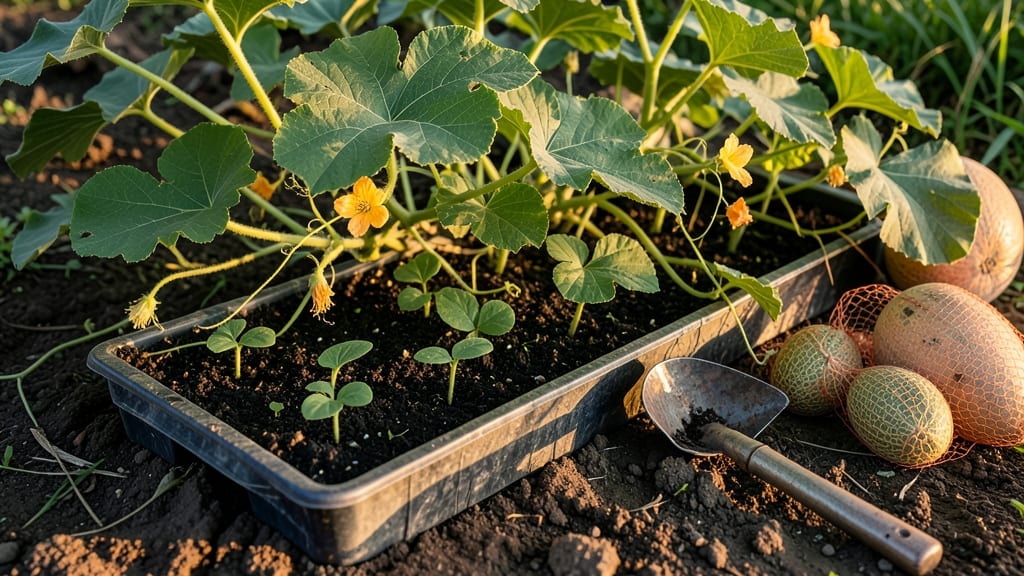
Timing the cantaloupe planting season in your zone determines whether you’ll enjoy a bountiful harvest of sweet, ripe fruit—or watch your crop fade before it ever matures.
Timing your cantaloupe planting season perfectly can mean the difference between a sweet, juicy harvest and a bitter disappointment—especially when climate zones and frost dates come into play.
In USDA Zone 6a, where spring arrives slowly, waiting until soil warms to 70°F is critical—planting too early risks frost damage, while waiting too long shortens the growing window. The ideal window runs from April 15 to May 15, but regional adjustments matter.
Below, I’ll break down the exact months for your zone, how to extend the season in cooler areas, and the three mistakes that kill cantaloupe crops every year—so you can avoid them.


Best cantaloupe planting months by USDA hardiness Zones (with frost date guide)
Cantaloupes thrive in warm weather and won't tolerate frost, making timing your planting critical for success. The USDA hardiness zone where you garden determines whether you'll start seeds indoors or outdoors, and when to transition seedlings to the garden bed.
In Northern zones (3-7), you'll need to begin indoor starts 3-4 weeks before your last frost date, while Southern gardeners (8-11) can often direct sow after soil warms.
Key factors like soil temperature (70°F+) and frost-free periods dictate your planting window. Cantaloupes need 70-90 days to mature, so planting too late risks immature harvests before fall frosts. Let's break down the best planting months by zone, including frost date adjustments and regional tips.
| USDA Zone | Last Frost Date | Indoor Start (Weeks Before Last Frost) | Direct Sow Window | Soil Temp Requirement | Notes |
|---|---|---|---|---|---|
| 3-4 | Late May | 4 weeks before May 20 | June 15-July 1 | 70°F+ | Use black plastic mulch |
| 5-6 | Mid-May | 3-4 weeks before May 15 | May 20-June 10 | 70°F+ | Extend season with row covers |
| 7 | Early May | 3 weeks before May 1 | April 20-May 15 | 70°F+ | Choose early varieties |
| 8 | Mid-April | 2 weeks before April 15 | March 20-April 30 | 65°F+ | Can direct sow early |
| 9-10 | Late February | Optional (2 weeks before Feb 20) | February 15-March 15 | 60°F+ | Succession plant for fall |
| 11 | None | Not needed | Year-round (avoid winter) | 65°F+ | Plant in fall for winter harvest |
In Zones 3-4, where frost lingers late, indoor starts are essential to give seedlings a head start. Begin seeds 4 weeks before your last frost date (typically late May) and transplant after Memorial Day when soil reaches 70°F.
Use black plastic mulch to warm the soil faster and row covers for early protection.
Gardeners in Zones 5-7
How to extend your cantaloupe growing season for earlier or later harvests
If you love cantaloupes but live in a cooler climate or want to avoid summer heat, extending your growing season is key. With the right strategies, you can enjoy earlier harvests in spring or later yields into fall—even in marginal zones.
The secret lies in combining seasonal protection with smart planting techniques.
For gardeners in USDA Zones 3-7, cold frames and row covers create microclimates that shield young plants from late frosts. Meanwhile, those in Zones 8-11 can use shade cloth and succession planting to escape peak summer heat. Let’s break down the best methods for your specific needs.
- 🌱 Cold Frames: Start seeds 4-6 weeks earlier in protected frames, transplanting outdoors after last frost. Ideal for Zones 3-6.
- 🌡️ Row Covers: Use lightweight fabric to raise soil temps by 5-8°F and protect vines from early frost or late heat.
- 🌿 Succession Planting: Sow new seeds every 2-3 weeks from early spring to mid-summer for staggered harvests.
- ☀️ Heat-Tolerant Varieties: Choose ‘Athena’ or ‘Hale’s Best’—they thrive in 90°F+ temps and resist bolting.
- 🌳 Shade Cloth: In Zones 8-11, use 30% shade cloth during peak summer to prevent fruit sunscald.
One of my favorite tricks is using black plastic mulch to warm soil faster in spring. Simply lay it down 2-3 weeks before planting to create a 5-10°F warmer microclimate—perfect for cantaloupes, which need soil temps of 70°F+ to germinate. Pair this with a row cover for extra insulation.
For later harvests, focus on succession planting and heat-tolerant varieties. Plant your first batch in early spring, then follow with 2-3 more sowings every 2 weeks.
This ensures a continuous supply of fruit well into fall. In hot climates, avoid planting during the hottest months (July-August) to prevent blossom drop.
Don’t overlook companion planting either! Pair cantaloupes with bush beans or radishes to improve soil health and deter pests. These companions also help regulate soil moisture, reducing stress on your vines during critical growth stages.
With these strategies, you can push your cantaloupe season by 4-6 weeks in either direction—meaning more time to enjoy sweet, ripe fruit straight from your garden. The key is adapting to your climate while giving your plants the protection they need.