
Planting
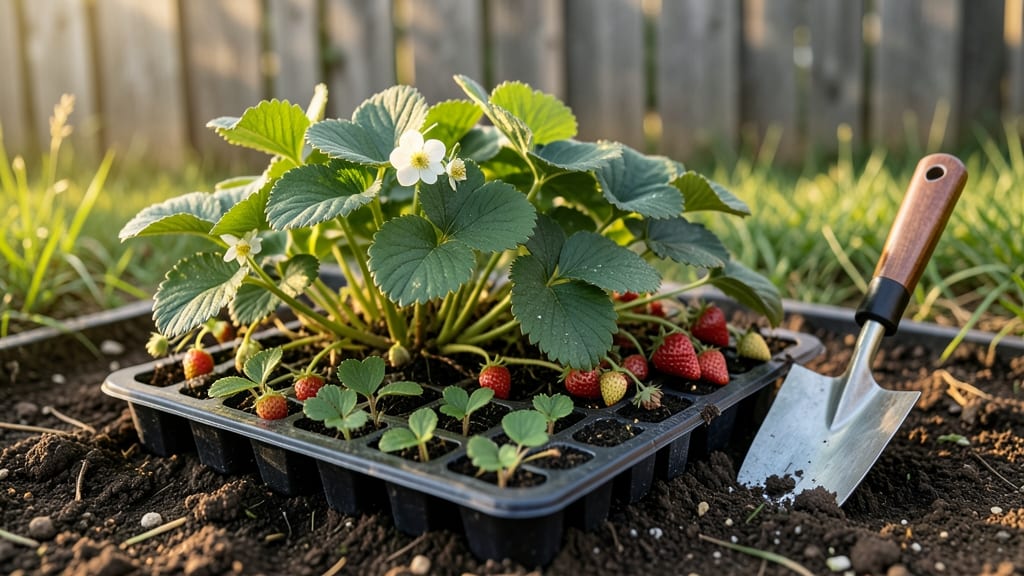
The strawberry planting season is your golden ticket to a bountiful harvest 🍓 — but timing it wrong can mean wasted effort and no fruit.
Timing is everything in strawberry cultivation—plant too early or too late, and you risk poor yields, weak plants, or even failure. But get the exact months right for your growing zone, and you’ll enjoy juicy, abundant berries year after year.
In Zone 6a, like many parts of the U.S., the ideal window is March-April for spring or August-September for fall, but those dates shift dramatically in colder or warmer regions.
Below, I break down the best months for your area, how to adjust for June-bearing vs. everbearing varieties, and the simple prep steps to set your plants up for success.
You’ll also discover how to read your local frost dates, when to mulch for extra protection, and why soil temperature matters more than calendar months. Let’s get those strawberries in the ground at the perfect time!


Best strawberry planting months by USDA growing zone (with exact dates)
Getting your strawberry planting season right means the difference between a bountiful harvest and struggling plants. Since strawberries are perennial in most zones, timing ensures strong root establishment before extreme heat or frost. I’ve broken down the ideal planting windows by USDA zone to help you plan perfectly.
In cooler northern zones (3-5), focus on spring planting (April-May) to avoid winter kill, while warmer southern zones (8-10) can plant in fall (September-October) to beat summer heat. Each zone has unique frost risks and soil temperature needs—let’s dive into the specifics.
⚠️ Critical Note: Strawberries need 4-6 weeks of warm soil (50°F+) to thrive. Use a soil thermometer to check—planting too early in cold soil stunts roots. For everbearing varieties, adjust timing slightly later than June-bearing types.
| USDA Zone | Best Planting Months | Soil Temp Goal | Key Consideration |
|---|---|---|---|
| Zones 3-4 | Late April - Early May | 50°F+ (10°C+) | Avoid late frosts; use row covers if needed |
| Zones 5-6 | Mid-April - Mid-May | 50°F+ (10°C+) | Spring planting preferred; fall risky for winter survival |
| Zones 7-8 | March-April OR September | 55°F+ (13°C+) | Fall planting extends harvest; avoid summer heat stress |
| Zones 9-10 | September-October | 60°F+ (15°C+) | Fall only; summer planting fails due to heat |
In Zones 3-4, I’ve seen gardeners struggle with late spring frosts when planting too early. Wait until after your last frost date (check your local almanac) and ensure soil is at least 50°F.
A simple trick: press a thermometer into the soil—if it reads below 50°F, wait a week.
For Zones 5-6, spring planting is ideal, but fall planting is risky—young roots won’t survive winter. If you must plant in fall, choose hardy varieties like 'Chandler' or 'Jewel' and mulch heavily with straw or leaves for insulation.
Zones 7-8 offer flexibility with spring and fall planting. Spring plantings yield in June-July, while fall plantings produce in October-November. I recommend both for a continuous harvest, but space them 6 weeks apart to stagger maturity.
In Zones 9-10, summer heat makes planting impossible—roots overheat above 85°F. Plant in late summer (August-September) to establish roots before winter. Use shade cloth if planting early to protect tender foliage.
Pro tip: June-bearing varieties need cold dormancy, so plant them 4-6 weeks earlier than everbearing types. Everbearers produce smaller yields but fruit multiple times per season, making timing less critical but still important for peak production.
Always amend soil with compost or aged manure before planting—strawberries hate soggy soil. Raised beds work wonders in heavy clay zones, improving drainage and root health. Mulch with straw (not grass clippings) to keep berries clean and prevent rot.
Remember: Container planting shifts timing slightly. Containers heat up faster, so plant 2-3 weeks later than in-ground to avoid stress. Use black pots for warmth in spring or white pots to reflect heat in summer.
How to adjust planting time for June-bearing vs. everbearing strawberries
Not all strawberries follow the same planting schedule—June-bearing and everbearing varieties have completely different needs. June-bearing types rely on cold dormancy to produce their single massive harvest, while everbearing varieties thrive with extended growing seasons.
Getting the timing wrong can mean waiting months for fruit or missing harvests entirely. For example, planting June-bearing strawberries too early in warm climates can trigger premature flowering, while everbearing types may need staggered plantings for continuous yields.
In cooler climates (Zones 3-6), June-bearing strawberries should go in the ground 4-6 weeks before your last frost date—typically March-April. This gives roots time to establish before the spring flush of growth.
Everbearing varieties, however, can handle two planting windows: early spring for a summer harvest and late summer for a fall harvest. The key difference? Everbearers don’t need a cold snap to fruit, so they adapt better to warmer regions (Zones 7-10) where June-bearers might struggle.
| Variety Type | Planting Windows | Harvest Timeline | Cold Dormancy Need | Best For Climate Zones |
|---|---|---|---|---|
| June-Bearing | Early spring (4-6 wks before last frost) | Single massive harvest in June-July | ✅ Required (6-8 wks below 40°F) | Zones 3-8 (cooler climates) |
| Everbearing | Early spring + late summer (staggered) | Extended harvests (spring + fall) | ❌ Not required (adapts to mild winters) | Zones 5-10 (warmer/mild climates) |
| Day-Neutral | Spring through early fall (flexible) | Continuous harvests (summer-fall) | ❌ Not required (fruits regardless of daylight) | Zones 6-10 (tropical/subtropical) |
For warm climates (Zones 8-10), everbearing and day-neutral varieties shine because they don’t rely on cold dormancy. Plant them in late summer (August-September) to avoid heat stress during root establishment.
In these regions, June-bearing strawberries often produce poorly unless you use artificial chilling (like refrigerating bare-root plants for 4-6 weeks before planting). A pro tip: Try Albion or Seascape everbearers—they handle heat like champions and reward you with two harvests per year.
If you’re in a transition zone (Zones 6-7), consider planting June-bearing strawberries in early spring and everbearing types in late summer. This gives you both a spring peak harvest and a fall extension.
Just be mindful of soil temperatures: roots struggle to establish below 45°F or above 85°F. Use row covers in spring or shade cloth in summer to protect young plants.
One common mistake? Assuming all strawberries are the same. June-bearing varieties like Jewel or Chandler need their cold dormancy period to set buds for next year’s harvest. Skip it, and you’ll get smaller berries or no fruit at all.
Everbearers like Ozark Beauty or Tristar, however, will keep producing as long as temps stay mild. In Zone 9+, I’ve even seen everbearers fruit year-round with proper care!
To extend your season, try successive planting: Install low tunnels over everbearing plants in early spring to trap heat, or use black plastic mulch in summer to keep roots cool. For June-bearers, focus on soil health—amend beds with <