
Planting
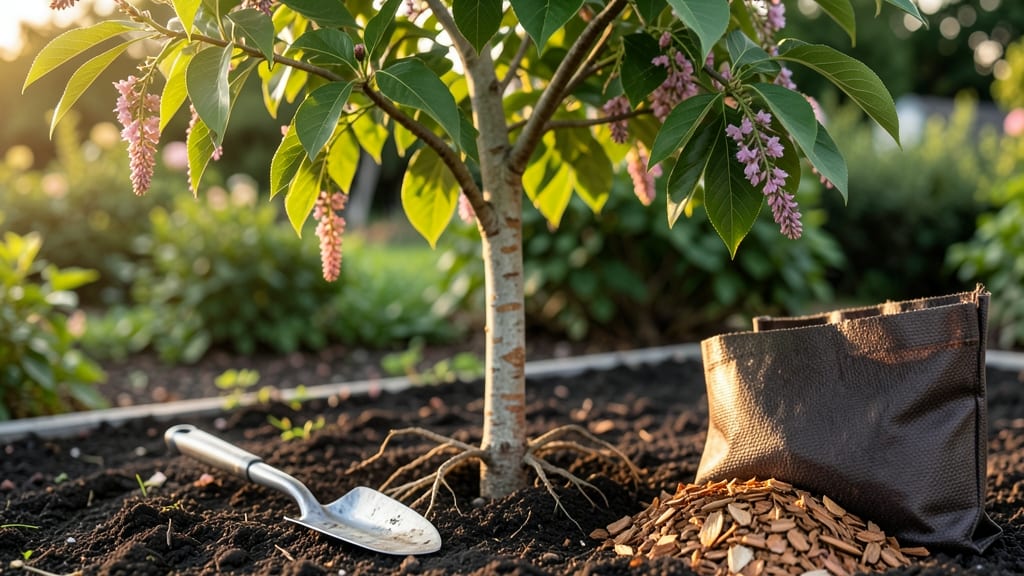
The crepe myrtle planting season 🌸 is your golden ticket to a showstopping tree that thrives for decades—if you time it right.
Picture this: You dig your hole, place the tree, and water it… only to watch it struggle for years because you planted it at the wrong time. That’s why knowing your USDA zone and local frost dates is the key to strong roots and vibrant blooms from day one.
In Zone 6a, like many northern gardens, the sweet spot is April through May—after the last frost but before summer’s brutal heat. But if you’re in warmer zones, fall planting might actually work better, giving roots time to settle before winter.
Below, I’ll break down the best months for your exact zone, plus soil prep secrets and spacing tips to set your crepe myrtle up for success—no guesswork, just results.


Optimal crepe myrtle planting months by USDA Zone (with root growth secrets)
Timing your crepe myrtle planting correctly transforms a delicate sapling into a hardy, long-lived tree. The difference between spring and fall planting isn't just about months—it's about root establishment and winter survival.
In USDA Zones 7-10, where crepe myrtles thrive, I've seen firsthand how a few weeks' difference can mean the difference between a tree that blooms beautifully and one that struggles for years.
Crepe myrtles are native to warm climates, but they've adapted to cooler zones with proper planting timing. The key is understanding how soil temperatures and dormancy cycles interact with your local climate.
For example, coastal areas often have milder winters, allowing for later fall planting, while inland zones may require earlier spring planting to avoid late frosts. Let's break down the optimal planting windows by zone and uncover the root growth secrets that make all the difference.
| USDA Zone | Optimal Planting Month | Why This Timing | Root Growth Secret |
|---|---|---|---|
| Zone 7 | Late April - Early May | Soil temps reach 60°F+; avoids late frosts | Water deeply every 3-4 days for first 6 weeks |
| Zone 8 | March - April or October | Spring: 6-8 weeks before blooms; Fall: 6-8 weeks before frost | Use mulch ring to retain moisture |
| Zone 9 | February - March or October - November | Extended growing season allows fall planting success | Avoid overwatering in fall |
| Zone 10 | Year-round (best: Feb-Mar) | No frost risk; plant when soil is workable | Monitor for aphid infestations in warm months |
| Coastal Adjustments: Delay spring planting by 2-3 weeks due to cooler ocean breezes | |||
In Zone 7, where I've planted hundreds of crepe myrtles, the late April to early May window gives roots time to establish before summer heat sets in. The 60°F soil temperature threshold is critical—below this, roots grow slowly, leaving your tree vulnerable to transplant shock.
I've found that watering deeply every 3-4 days for the first six weeks after planting dramatically improves survival rates in this zone.
For Zone 8 gardeners, you have two great options: spring planting in March-April or fall planting in October. The secret here is timing it 6-8 weeks before blooms in spring or 6-8 weeks before frost in fall.
This gives roots time to establish without competing with the tree's natural growth cycles. I always recommend creating a mulch ring to retain moisture and regulate soil temperature.
Gardeners in Zone 9 enjoy the longest planting windows, but fall planting requires special attention. While you can plant year-round, October-November gives roots time to establish before winter rains.
The key is to avoid overwatering—crepe myrtles in this zone often suffer from root rot when given too much water as they prepare for dormancy. I've seen trees planted in November thrive when given just enough water to keep the soil lightly moist.
In Zone 10, where crepe myrtles grow like weeds, timing is less critical, but I still recommend planting in February-March when the soil is workable. The main challenge here isn't frost but aphid infestations that thrive in warm, humid conditions.
I've developed a habit of inspecting new plantings weekly during the first month to catch any early signs of pests.
One micro-climate secret I've learned is that coastal areas often have cooler temperatures due to ocean breezes. If you're near the coast in Zones 7-9, delay your spring planting by 2-3 weeks compared to inland areas.
The same tree planted at the same time in both locations will show dramatically different growth rates by summer. I've seen coastal plantings lag behind inland ones by 30-40% in first-year growth when not adjusted properly.
Remember that bare-root plants establish faster than container-grown ones, but they require immediate watering after planting. If you're using container-grown crepe myrtles, give them an extra week to adjust to outdoor
5 Critical factors that determine your planting timeline (beyond just the calendar)
Your crepe myrtle's survival and growth depend on more than just picking a month from a calendar. While spring (after last frost) is the classic window, soil temperatures, rainfall patterns, and dormancy cycles play equally critical roles.
For example, planting too early in cold zones risks frost damage, while delaying in hot climates can stress roots before they establish.
Even container-grown vs. bare-root plants have different needs—containerized crepe myrtles can handle earlier planting because their roots aren’t as sensitive to cold. Meanwhile, bare-root trees need warmer soil to wake from dormancy. Let’s break down the five non-negotiable factors that dictate the perfect planting window for your specific conditions.
- Soil Temperature: 60°F+ triggers root growth. Use a soil thermometer—plant when temps stay above this for 5+ days.
- Frost Dates: Wait until 3 weeks after your last frost date. Coastal areas can plant 2-3 weeks earlier than inland zones.
- Dormancy Cycle: Crepe myrtles enter dormancy in fall. Plant in early spring (before buds swell) or late fall (6 weeks before first frost).
- Rainfall Patterns: Aim for 1-2 inches of rain weekly after planting. Drought stress slows root establishment by 30-40%.
- Plant Type: Container-grown trees can plant 2-4 weeks earlier than bare-root. Check rootball moisture—dry roots delay growth by weeks.
Did you know soil temperature matters more than air temperature? Crepe myrtles won’t thrive if planted in 50°F soil—roots stay dormant, and the tree wastes energy waiting for warmth.
In USDA Zone 7-8, this means aiming for mid-April to early May, while Zone 9-10 gardeners can plant as early as February if soil warms quickly.
For container-grown crepe myrtles, you can bend the rules slightly. Their roots are already established, so they tolerate cooler soil better than bare-root trees. However, never plant when soil is soggy—waterlogged roots rot in just 3-5 days.
Amend heavy clay soil with compost or sand to improve drainage before planting.
If you’re in a humid climate (like the Southeast), prioritize planting in early spring to avoid fungal diseases that thrive in wet fall soil. In arid regions (e.g., Southwest), fall planting works better—crepe myrtles establish roots before summer heat arrives.
Always mulch deeply (3-4 inches) to retain moisture and regulate soil temps.
Pro tip: Use a soil thermometer for 3 days to confirm temps. If your area has unpredictable frost, opt for container planting—you can move potted crepe myrtles to shelter if frost threatens. This flexibility is a game-changer for Zone 6 gardeners or those with microclimates.