
Vegetables
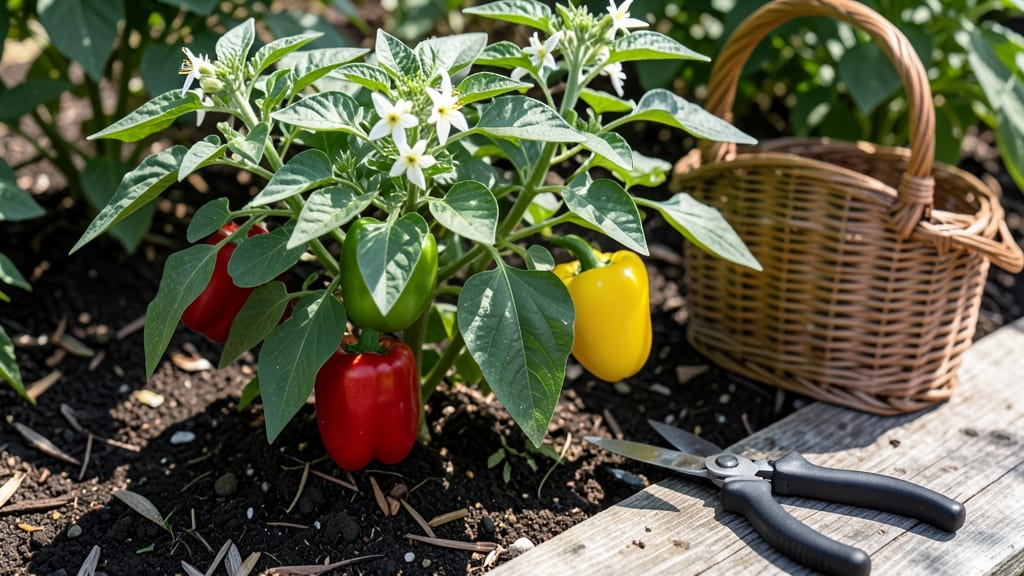
Growing bell peppers in the right season is the secret to juicy, vibrant harvests that last from summer through fall 🌶️ — and missing that window means bitter peppers or no peppers at all.
Picture this: you’ve spent weeks nurturing your seedlings, only to watch them wilt under a late frost or struggle in sweltering heat. The difference between a thriving bell pepper season and a disappointing one often comes down to timing—whether you’re in Zone 6a or a warmer climate.
In this guide, I’ll break down the ideal planting calendar by zone, share tricks to extend your harvest, and reveal the most common mistakes that sabotage even the best-intentioned gardeners.
By the end, you’ll know exactly when to plant, how to protect your crop, and what to watch for to ensure your peppers ripen perfectly—no guesswork required.
Bell pepper season planting calendar by USDA hardiness zones
Growing bell peppers successfully starts with understanding your USDA hardiness zone and local last frost dates. These heat-loving plants thrive in warm soil and cannot tolerate cold temperatures, so timing is critical.
Whether you're in chilly Zone 3 or balmy Zone 11, knowing the right planting window ensures a bountiful harvest of sweet, colorful peppers from summer through fall.
Bell peppers need soil temperatures above 60°F (15°C) to germinate properly. In cooler zones, start seeds indoors 6-8 weeks before transplanting to give them a head start. In warmer zones, you can often sow seeds directly into the garden after the last frost date.
Let's break down the ideal planting calendar by zone to help you plan your bell pepper season like a pro.
🌱 Key Tip: Always check your local frost-free dates and monitor soil temperatures with a soil thermometer. Peppers won't grow well in cold soil, even if air temperatures seem warm.
In Zones 3-4, where winters are harsh, focus on early-maturing varieties that can produce fruit before the first frost. Start seeds indoors in March and transplant after your last frost date, typically around late May.
Use grow lights or a sunny windowsill to keep seedlings strong until they're ready for the garden.
Gardeners in Zones 5-6 have a slightly longer season. You can transplant seedlings outdoors 2-3 weeks earlier than in cooler zones, usually by mid-May. Choose mid-season varieties like 'Jupiter' for a reliable harvest.
These peppers take about 75 days to mature, so time your planting to finish before the first frost in October.
For Zones 7-8, the growing season is ideal for bell peppers. You can direct-sow seeds 2-3 weeks before your last frost or transplant seedlings in late April.
These zones support standard varieties that produce large, flavorful peppers. Extend your harvest by planting succession crops every 2-3 weeks through June.
In warmer Zones 9-10, you can enjoy peppers almost year-round. Start planting in early April and continue through summer for continuous harvests. Late-season varieties like 'NuMex RNaky' thrive here and produce thick-walled peppers perfect for stuffing or grilling.
Use shade cloth in peak summer to prevent sun scald on fruits.
Residents of Zone 11 can grow bell peppers in every month except December. Focus on heat-tolerant varieties like jalapeños or habaneros, which handle the intense sun. Plant in shaded areas during the hottest months to prevent blossom drop
How to extend your bell pepper season for longer harvests
Bell peppers thrive in warm weather, but cooler temperatures can cut your harvest short. The key to extending your bell pepper season lies in strategic planning and protective measures. By using succession planting, season extenders, and late-season varieties, you can enjoy fresh peppers well into fall.
Even in cooler climates, these methods help shield plants from early frosts while maximizing yield.
Start by selecting late-maturing varieties like 'NuMex Heritage' or 'Carmen'—these take 80-90 days to ripen, giving you more time to harvest before frost. Pair this with succession planting: sow new seeds every 2-3 weeks after your initial planting.
This staggered approach ensures a continuous supply of peppers throughout the growing season.
Top 5 Ways to Extend Your Bell Pepper Season
- Use row covers or floating tunnels to protect plants from light frosts (down to 28°F). These create a 3-5°F warmer microclimate.
- Install a cold frame over plants in late summer. A simple DIY frame with clear plastic can add 10-15°F of warmth, delaying frost damage by 3-4 weeks.
- Choose short-day varieties like 'Apache' or 'Aristotle'—they mature faster in cooler temperatures, ideal for Zone 4-6 gardens.
- Apply mulch (straw or black plastic) to insulate soil and retain heat. This keeps roots 5-10°F warmer at night, extending the growing season by 2-3 weeks.
- Harvest green peppers before frost hits. They’ll ripen indoors if stored in a bright, warm spot (60-70°F) for 1-2 weeks.
For regions with short growing seasons, consider greenhouse growing or container gardening on patios. Move pots indoors during cold snaps and return them to sunlight when temperatures rise. This flexibility lets you control the environment and avoid frost damage entirely.
Watering strategies also play a role. Deep watering in the morning (1-2 inches per week) prevents stress, while avoiding wet foliage at night reduces fungal diseases like blight. Pair this with a balanced fertilizer (10-10-10) every 4-6 weeks to support vigorous growth.
Don’t overlook the power of pruning. Remove spent flowers and overripe peppers to redirect energy to new growth. This keeps plants productive longer, especially in late-season plantings. Combine these techniques, and you’ll enjoy a longer, more abundant harvest—even in cooler climates!
With the right approach, your bell pepper season can stretch from early summer to late fall, giving you fresh peppers for salads, stuffing, or roasting. Start experimenting with these methods this year, and you’ll be rewarded with a garden that keeps giving—no matter the weather! 🌶️