
Container Gardens
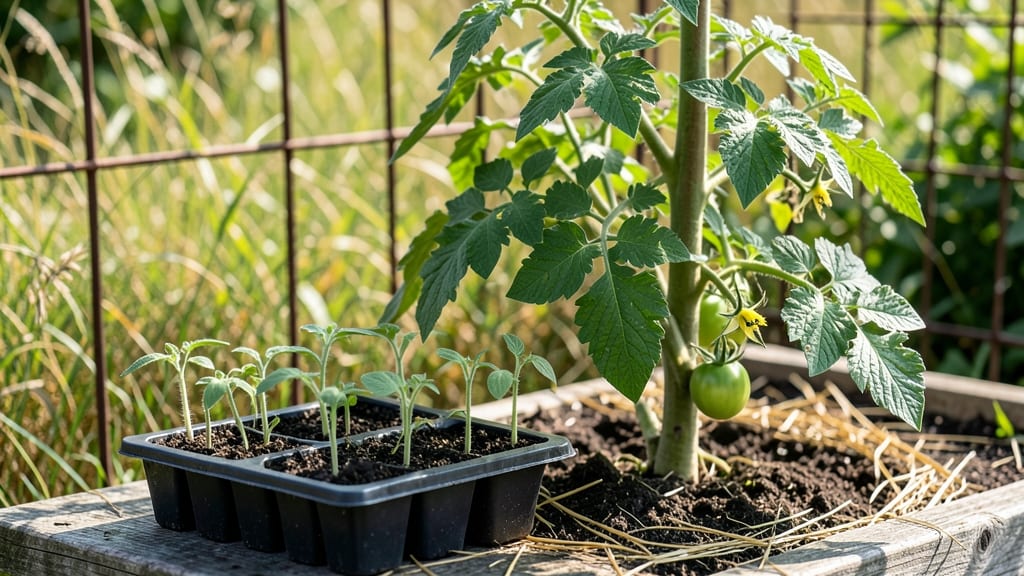
Growing tomatoes in the wrong season means sad, stunted plants that never ripen. 🌱 The best season depends entirely on your USDA zone—northern gardeners plant in spring/summer while southerners stretch harvests into fall/winter.
My first tomato plants died because I ignored this rule, but now I time everything perfectly for my zone 6 garden.
In cooler climates, start seeds indoors 6-8 weeks before your last frost date and transplant after soil warms to 60°F. Southern gardeners can plant in fall for winter harvests, but avoid summer heat which stresses plants.
The key is matching your region's natural growing window—no shortcuts. I've learned that even a week off can mean the difference between bushels of tomatoes and sad, wilted vines.
You'll end up with vibrant red, juicy tomatoes all season long if you time it right. The plants grow faster, produce more fruit, and resist diseases better when they're planted at the optimal time.
Even in small spaces, proper timing means you can grow 2-3 times the yield compared to random planting. The secret? Pay attention to your local frost dates and adjust your schedule accordingly.
For cooler zones, extend the season with row covers or cold frames. In warm zones, use shade cloth during peak summer heat. Companion planting with basil or marigolds also helps maximize your harvest.
The right timing and a few simple adjustments make all the difference between a mediocre garden and a sun-kissed tomato bonanza.
📚 In This Guide
- What you need
- Instructions
- Tips and common mistakes
- Wrapping up and next steps
What you need
- ● Ready to grow juicy, homegrown tomatoes? Here’s everything you’ll need to kickstart your sun-kissed harvest—whether you’re planting in containers or garden beds! 🌱🍅
How to time your tomato planting for peak flavor and yield
Here’s the foolproof method I use to align tomato planting with your climate zone and growing season—no guesswork, just sun-ripened results.
📅 Step 1: Calculate Your Last Frost Date and Work Backwards
First, find your USDA hardiness zone and look up the average last frost date for your area. Tomatoes are frost-sensitive, so you’ll need at least 60 days of warm weather before the first expected frost—longer for heirlooms or larger varieties. I always check the National Weather Service or my local extension office for precise dates, because even a week’s difference matters.
Once you have that date, count backward 8-10 weeks for most varieties (or 10-12 weeks for slow-growing heirlooms). This gives seedlings enough time to mature before cooler weather arrives. Write it down—this is your planting window. For example, if your last frost is October 15th, aim to transplant by mid-June for a July harvest. Pro tip: Use a garden journal to track these dates yearly—they shift slightly with climate changes.
☀️ Step 2: Choose the Right Variety for Your Season Length
Not all tomatoes thrive in short or long seasons. Determinate varieties (like Roma or Celebrity) produce fruit quickly in 50-60 days and are perfect for cooler climates or container growing. Indeterminate types (like Cherokee Purple or Brandywine) keep producing all season but need 80-100 days of warmth. I always match the variety to my zone—nothing worse than watching a plant bolt before it fruits.
For northern zones (3-5), focus on early-maturing hybrids like Stupice or Mountain Merit. In southern zones (8-10), you can stretch the season by planting heat-tolerant varieties like Solar Fire or Heatmaster in late winter for spring harvests. Check seed packets for days to maturity—this is your golden number.
🌱 Step 3: Start Seeds Indoors at the Optimal Time
Seedlings need 4-6 weeks indoors before transplanting, so time your starts to coincide with your planting window. For most zones, this means sowing seeds in early spring—around February to March for northern climates, or January to February in the South. I use a seedling heat mat to speed germination, because cool soil delays sprouting. Keep them under grow lights for 14-16 hours daily to prevent leggy growth.
Watch for true leaves (the second set after the initial seed leaves) before hardening off. If you’re in a short-season zone, you can also try direct sowing after the last frost—just cover seedlings with floating row covers to protect from late frosts. The key is soil temperature: Tomatoes won’t thrive until the ground reaches at least 60°F. Use a soil thermometer to confirm.
🪴 Step 4: Transplant at the Right Soil and Air Temperature
Transplant when nighttime temperatures stay above 50°F and daytime temps reach 70°F. Cold soil stunts root growth, so wait until the ground warms up—even if your seedlings look ready. I always bury stems deeper than the seedling pot to encourage stronger root systems. Remove the lower leaves and plant until just the top leaves are above soil level.
Mulch heavily with straw or shredded leaves to keep roots cool and retain moisture. In hot climates, shade young plants with 30% shade cloth for the first week to prevent transplant shock. Water deeply at transplanting, then avoid wetting leaves to prevent disease. You’ll know it’s working when new leaves appear within 7-10 days—that’s your sign the plant is settling in.
⏰ Step 5: Extend the Season with Smart Techniques
To squeeze extra weeks out of your harvest, use season extenders like row covers, cold frames, or greenhouses. In fall, I often prune suckers and reduce watering to harden off plants before the first frost. For tropical zones, plant successive crops every 2-3 weeks for continuous harvests. And if you’re in a cool maritime climate, try black plastic mulch to warm the soil faster.
Pay attention to fruit ripening cues: Tomatoes turn color from green to their mature hue when ready to pick. In cooler zones, harvest before frost and ripen indoors with a paper bag (ethylene gas speeds ripening). The best part? When timed right, you’ll have tomatoes from June to October—or even year-round in warm zones. That’s the magic of matching your variety to your season.
Tips & tricks for perfect tomato planting timing
Let me share the insights I've gathered over years of growing tomatoes—these details make all the difference between a mediocre harvest and a bounty of sun-ripened perfection.
Zone-Specific Seed Starting: In Step 3, when you're planning your 4-6 week indoor seed starting schedule, remember that cooler zones (like 3-5) benefit from starting seeds slightly earlier—around late January to early February. Warmer zones (7-10) can wait until February. The key is to have sturdy seedlings ready when soil temperatures hit that critical 60°F threshold. I've found that using a seedling heat mat raises germination rates by nearly 30% in cooler homes.
Variety-Specific Planting Windows: For Step 2, when selecting varieties, note that determinate tomatoes (like Roma) can often be planted 1-2 weeks earlier than indeterminate types (like Brandywine). Their shorter 50-60 day maturity means they can tolerate slightly cooler spring temperatures. I always plant my determinate varieties first in early May, then follow with indeterminate types 2 weeks later when nighttime temperatures consistently stay above 50°F.
Soil Temperature Monitoring: In Step 4, when preparing to transplant, don't rely solely on air temperature—soil temperature is the true indicator. I use a soil thermometer to confirm readings of at least 60°F before transplanting. Cold soil can stunt root growth for weeks, even if air temperatures seem perfect. Pro tip: Black plastic mulch can raise soil temperatures by 5-10°F in just days, giving you an earlier planting window in cooler climates.
Hardening Off Strategy: Before transplanting, spend 7-10 days gradually acclimating seedlings to outdoor conditions. Start with just 1-2 hours of exposure on day one, then increase by 1 hour daily. This process mimics the natural transition and prevents transplant shock. I've seen seedlings that weren't hardened off properly wilt dramatically within days of transplanting, while properly acclimated plants thrive immediately.
Pro Tips for Best Season For Growing Tomatoes
- Let me share the insights I've gathered over years of growing tomatoes—these details make all the difference between a mediocre harvest and a bounty of sun-ripened perfection.
- Warmer zones (7-10) can wait until February.
- Variety-Specific Planting Windows: For Step 2, when selecting varieties, note that determinate tomatoes (like Roma) can often be planted 1-2 weeks earlier than indeterminate types (like Brandywine).
Frequently asked questions
about the best season for growing tomatoes—because every gardener deserves a juicy, worry-free harvest!What’s the ideal temperature range for growing tomatoes?
Tomatoes thrive in warm soil (at least 60°F (15°C)) and air temperatures between 70–85°F (21–29°C). Avoid planting when nighttime temps dip below 50°F (10°C)
Yes! In USDA Zones 9–11, tomatoes can grow year-round, but timing matters. Plant in early spring or fall to avoid extreme summer heat (which causes blossom drop) or winter chills. Succession planting keeps your harvests steady! Try these tricks:
Bitter tomatoes often mean too much heat or stress. Check for:
For short seasons or cooler zones (3–7), try:
Can I grow tomatoes year-round in warm climates?
What’s the fastest way to extend the tomato season?
For containers, move pots to sunnier spots or use heat-tolerant varieties like ‘Solar Fire’ or ‘Heatmaster.’
Why did my tomatoes turn bitter or stop ripening?
Prune suckers and provide afternoon shade if temps exceed 90°F (32°C).
Are there tomato varieties that handle cooler weather better?
For containers, dwarf varieties like ‘Tiny Tim’ or ‘Patio Princess’ adapt well to fluctuating temps.
Wrapping up and next steps
Choosing the right season for growing tomatoes in your USDA zone can make all the difference between a bountiful harvest and a disappointing one.
Whether you're in a warm Zone 10 or a cooler Zone 3, timing is everything—plant when the soil is warm, the frost is gone, and the sun is shining! With the right prep, container gardening lets you grow juicy, homegrown tomatoes year-round in many climates.
Now that you’re armed with the best practices, roll up your sleeves and get planting! Start small with a few containers, experiment with varieties, and soon you’ll be savoring sun-ripened tomatoes straight from your balcony or patio. Happy growing—your taste buds will thank you! 🌱🍅