
Planting
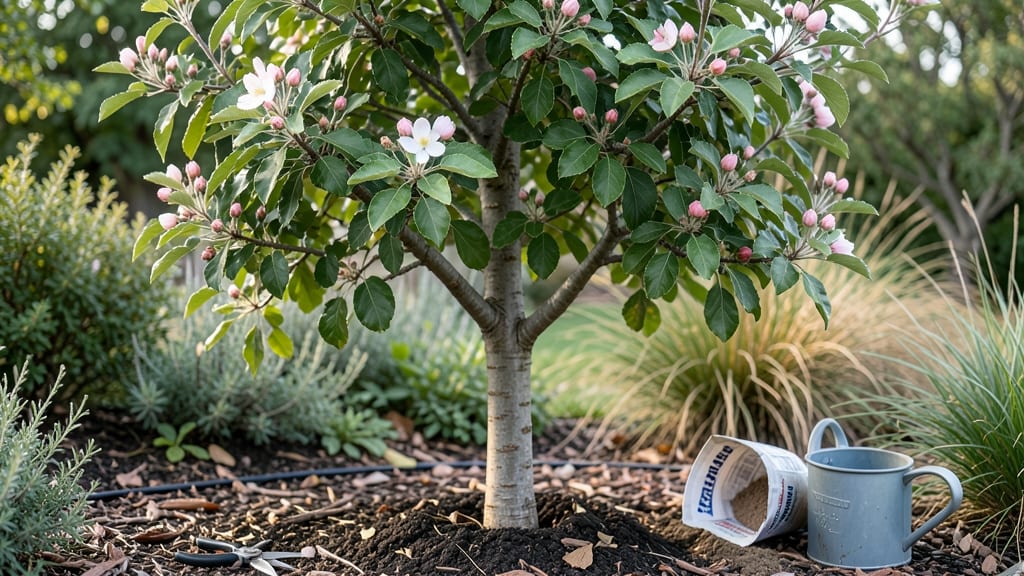
USDA Hardiness Zone 6A thrives with cold-resistant plants like roses, hydrangeas, and fruit trees such as apples and pears, thanks to its average minimum temperatures between -10°F and -5°F (-23°C to -21°C). While perennials and evergreens handle these winters well, delicate plants require extra protection or strategic harvesting to beat the freeze.
Zone 6A covers a vast region from the Midwest to the Northeast, where winter temperatures can plunge unexpectedly. 🌡️ The key to success here is understanding how microclimates—like south-facing walls or sheltered garden beds—can modify local conditions. For example, while your yard might hit -10°F, a protected corner could stay several degrees warmer, allowing you to push the limits with marginally hardy plants like ornamental grasses or lavender. The USDA system also accounts for average annual minimums, so a single harsh winter might still damage even "zone-hardy" plants if they're not properly prepped.
This zone's frost dates (typically late April to early May) dictate when to plant cool-season crops like broccoli or when to move tender annuals indoors.
Evergreens, while technically hardy, often suffer from winter burn—a condition caused by dry winds and cold—so I always recommend applying an anti-desiccant spray in late fall. For bulbs, like tulips or daffodils, planting them 6-8 weeks before the ground freezes ensures roots establish before dormancy sets in.
💡 In This Article
- Understanding USDA Zone 6A Climate and Plant Survival Science
- Seasonal Plant Care Guide for Zone 6A Gardens
Understanding USDA zone 6A climate and plant survival science
The -10°F to -5°F (-23°C to -21°C) range defining Zone 6A isn't just about cold tolerance—it's about how plants physiologically respond to freezing stress. At these temperatures, water in plant cells begins crystallizing, which can rupture cell walls if ice formation isn't carefully managed.
Evergreens, like arborvitae or juniper, struggle because their leaves lack the protective dormancy mechanisms of deciduous plants. Their waxy coatings provide some insulation, but prolonged exposure below -10°F often leads to winter burn, where leaf edges turn brown and crispy from desiccation.
Microclimates create the real magic in Zone 6A gardening. A south-facing wall can add 5-10°F of warmth compared to open ground, while a sheltered valley might experience 2-3°F colder nights.
This is why hydrangeas (hardy to -10°F) thrive in protected spots, while roses (hardy to -15°F) might need winter mulching in exposed areas.
The USDA system accounts for these variations by using 30-year average minimums, but gardeners must still prepare for 10-year extremes that can push temperatures 5°F colder than the zone suggests.
Frost dates are equally critical because they trigger dormancy cycles. In Zone 6A, the last spring frost typically occurs around April 15-30, while the first fall frost hits October 15-30.
Planting cool-season crops like kale or spinach too early risks frost damage, while tender annuals like tomatoes must be moved indoors before 50°F nighttime temperatures arrive. The science here involves chilling requirements—many fruit trees need 400-800 hours below 45°F to break dormancy and flower properly.
Evergreens face unique challenges because their transpiration rates (water loss) don't slow down in winter like deciduous plants. Without protective measures, their needles can dry out even if temperatures stay above freezing. That's why applying anti-desiccant sprays (like Wilt-Pruf) in late fall creates a temporary waterproof barrier.
For bulbs, the key is timing: planting 6-8 weeks before ground freeze lets roots establish before dormancy, while mulching with 4-6 inches of straw insulates soil and prevents freeze-thaw cycles that can heave bulbs out of the ground.
What most gardeners overlook is how soil temperature affects root survival. Roots can tolerate 20-25°F colder than shoots, which is why deep mulching (6+ inches) is critical. Organic matter like compost or leaves breaks down slowly, releasing heat as microbial activity continues—even in winter.
This insulation effect can raise soil temps by 3-5°F, making all the difference for marginal hardy plants like peonies or daylilies.
The bottom line? Zone 6A gardening succeeds when you work with nature's rhythms—not against them. Understanding these temperature thresholds and microclimate nuances lets you push boundaries with ornamental grasses, lavender, or even blueberries (which need acidic soil and winter protection).
The goal isn't just survival—it's thriving despite the cold. 💫