
Trees
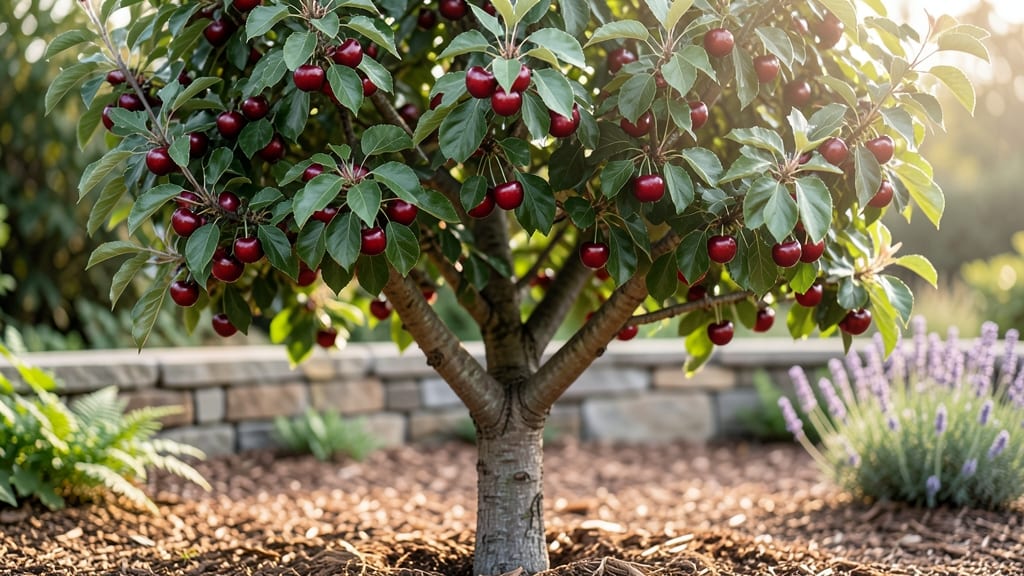
Bing cherry trees grow best in USDA hardiness zones 5 through 8, where they receive adequate winter chill hours (500–1,000) for proper fruit development. Plant them in well-draining soil with full sun exposure for maximum success.
Bing cherries need that specific climate range because the winter chill hours trigger their flowering cycle. Too little chill (below 500 hours) can prevent fruit set, while extreme heat (above zone 8) may stress the tree and reduce yields.
I’ve seen firsthand how trees in zone 6 produce sweeter fruit than those in hotter zones—it’s all about that balance of cold and warmth. Well-drained soil is equally critical, as soggy roots lead to disease and poor growth. 🌳
For best results, choose a location with at least 6–8 hours of direct sunlight daily and protect young trees from harsh winds. Mulching around the base helps regulate soil temperature, while companion plants like herbs can deter pests.
If you’re in zone 4 or 9, consider microclimates near walls or slopes to extend the tree’s comfort zone.
💡 In This Article
- Understanding Bing Cherry Tree Climate Needs
- Best Planting Locations for Bing Cherries
Understanding Bing cherry tree climate needs
The 500–1,000 winter chill hours requirement for Bing cherries isn't arbitrary—it's a biological necessity tied to their flowering cycle. These trees are dormant deciduous, meaning they need prolonged exposure to temperatures between 32–45°F to break dormancy.
This cold period, called endodormancy, resets the tree's internal clock, triggering bud formation and ensuring synchronized flowering in spring. Without enough chill hours, buds may fail to open, or the tree might produce sparse, poor-quality fruit.
Temperature extremes also play a critical role. Bing cherries can tolerate brief dips to -10°F once established, but younger trees need protection against prolonged sub-zero temperatures. In contrast, summer heat above 90°F stresses the tree, causing fruit cracking or sunburn on leaves.
The ideal balance occurs in zones 5–8, where winters provide sufficient chill while summers remain warm enough for fruit maturation.
For example, a tree in zone 6 (like in Madison, Wisconsin) typically receives 800–900 chill hours, while one in zone 8 (like in Sacramento, California) might get just 500–600 hours, pushing the limit for optimal production.
What most gardeners overlook is how late spring frosts can devastate Bing cherries. These trees bloom early—often in April or May—making them vulnerable to 28°F or lower temperatures during flowering.
A single frost can wipe out an entire season's crop, which is why selecting a microclimate with warmer air pockets (like near a south-facing wall) is crucial. In my experience, trees planted near bodies of water or in urban heat islands often fare better because these areas moderate temperature swings.
Soil temperature also influences root development. Bing cherries prefer soil that stays between 50–70°F during active growth. Cooler soils in northern zones (zone 5) may slow early spring growth, while hotter soils in southern zones (zone 8) can accelerate moisture loss.
Mulching with 3–4 inches of organic matter helps regulate soil temperature year-round, creating a more stable environment for root expansion.
Here’s a quick comparison of how chill hours affect fruit quality:
- 500–700 hours: Trees may produce fruit, but yields are often 20–30% lower due to incomplete dormancy breaking. Fruit tends to be smaller and less sweet.
- 700–900 hours: Optimal range for Bing cherries. Trees produce large, flavorful fruit with balanced sugar-acid ratios.
- 900+ hours: Excessive chill can delay bud break, making trees more susceptible to spring frost damage.
If you're pushing the limits in zone 4 or 9, consider dwarf varieties or container growing. These adapt better to marginal zones by allowing you to move the tree to a garage or sheltered area during extreme cold or heat. 🌿