
Trees
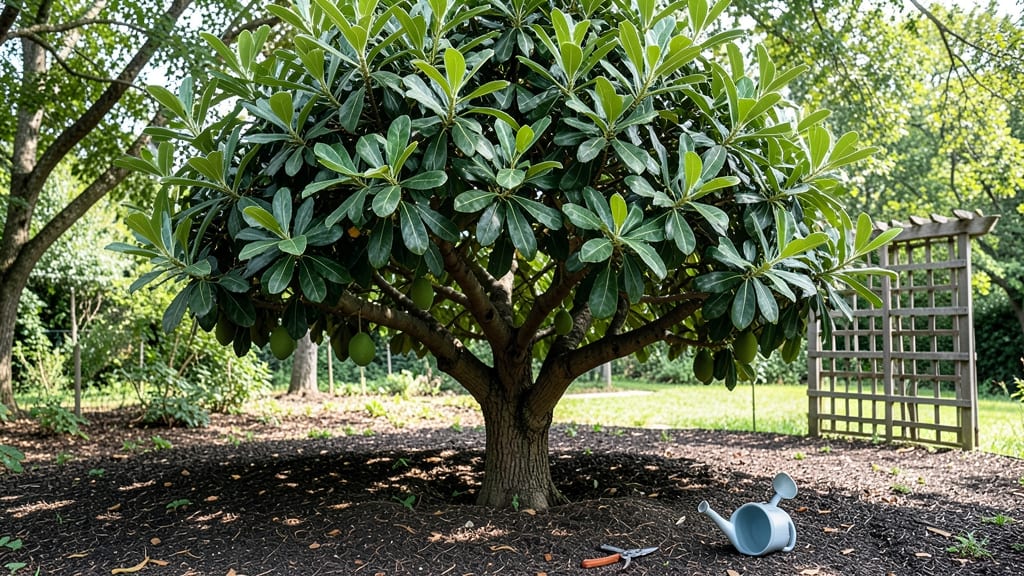
Avocado trees grow best in USDA hardiness zones 9-11, where they naturally withstand seasonal temperatures. Different varieties show varying cold tolerance—Mexican avocados can handle brief dips to 28°F, while Hass avocados suffer irreversible damage below 26°F. Newly planted trees and their root systems are especially fragile during cold snaps.
Understanding these temperature thresholds is crucial because even a single night below 30°F can devastate your tree's foliage and fruit production. 🌱 For instance, the Guatemalan varieties like Fuerte tend to be slightly more resilient than West Indian types, which often need extra protection in transitional zones like 8b.
I've seen firsthand how a well-mulched base or windbreak can mean the difference between a thriving tree and one struggling to recover from winter stress.
The real challenge comes during those unpredictable late-spring frosts when buds are forming—this is when even cold-hardy varieties can suffer catastrophic damage. That's why I recommend monitoring local frost dates and planning protective measures like row covers or temporary greenhouses well in advance.
The roots, being underground, often bear the brunt of cold stress, so improving soil drainage and adding organic mulch before winter can provide critical insulation.
💡 In This Article
- Avocado Varieties and Their Cold Tolerance Thresholds
- Protecting Avocado Trees from Frost: Seasonal Strategies
Avocado varieties and their cold tolerance thresholds
Avocado trees aren't created equal when it comes to cold resistance—each of the three main species (Mexican, West Indian, and Guatemalan) has distinct temperature limits that determine where they'll thrive.
Mexican varieties like the Mexicola or Lamb Hass can handle brief dips to 28°F without permanent damage, thanks to their natural cold-acclimation ability. This is because their cell membranes contain higher concentrations of unsaturated fats that remain fluid at lower temperatures, protecting cellular functions.
The Hass avocado, a hybrid of Guatemalan and Mexican parentage, is the most popular but also the most sensitive—its leaves blacken and fruit drops below 26°F, while roots suffer irreversible damage at 22°F.
What's fascinating is how the tree's growth stage affects tolerance: a mature Hass tree might survive a 28°F night if it's dormant, but the same temperature will kill new growth. West Indian varieties like Reed or Choquette fall in between, typically enduring 24-26°F but struggling with prolonged exposure.
Here's where things get technical: the critical damage threshold isn't just about air temperature—it's about how quickly the temperature drops. A sudden 30°F plunge can be more damaging than a gradual 25°F drop because the tree's protective mechanisms (like stomatal closure) can't activate fast enough.
This is why microclimates matter so much: a tree in a sheltered valley might survive 2°F colder than one on a wind-exposed hillside.
Root systems are the true Achilles' heel—even if the trunk survives, roots can die back 12-18 inches below ground during severe freezes. This is why deep mulching (6-8 inches) with wood chips or straw is non-negotiable in marginal zones.
The mulch acts like a thermal blanket, maintaining soil temperatures 5-10°F warmer than ambient air. I've seen trees in Zone 8b survive winters with this protection that would otherwise perish.
Consider these key temperature benchmarks for common varieties:
- Mexican types (Mexicola, Lamb Hass): Leaves tolerate 28°F (blackens below), roots 22°F
- West Indian (Reed, Choquette): Leaves 24-26°F, roots 20°F
- Guatemalan/Hass hybrids: Leaves 26°F, roots 22°F (most vulnerable)
The science behind these differences lies in their genetic origins: Mexican varieties evolved in higher elevations with cooler nights, while West Indian types come from tropical lowlands where temperature fluctuations are minimal.
This genetic memory explains why some trees can "harden off" with proper fall care—gradually reducing water and fertilizing triggers natural cold resistance mechanisms.
What most gardeners don't realize is that even "cold-hardy" varieties can suffer secondary damage from frost. For example, a Mexicola tree might keep its leaves at 28°F but develop cankers (dead patches on bark) from rapid temperature swings afterward.
This is why consistent winter care matters more than just the minimum temperature rating. 🌿