
Flowers
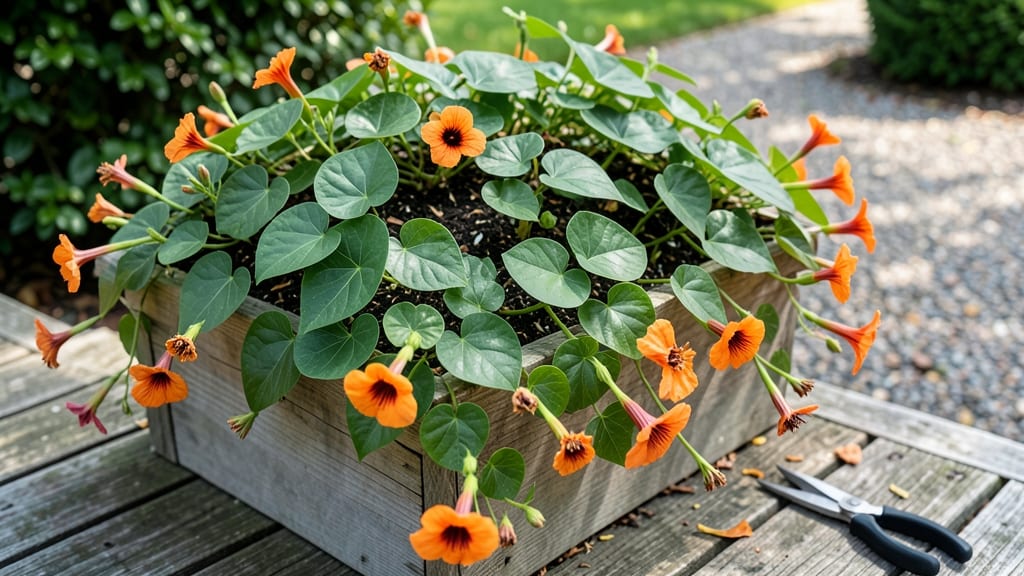
Black Eyed Susan vines grow best in USDA zones 6-11, with cold-hardy types like Thunbergia alata surviving down to 10°F and tropical varieties thriving in warmer zones 9-11 for continuous blooming.
Your growing region determines which Black Eyed Susan vine varieties will flourish—whether you're in a cool mountain climate (zone 6-7) or a hot desert zone (9-11). 🌿 Hardy annuals like 'Superbena' handle brief freezes, while evergreen types in zone 10+ need winter mulch to protect roots. The key difference?
Perennial vines in zones 6-8 may die back in winter but regrow robustly, while tropical species in zone 11+ bloom year-round with proper moisture. I always check the microclimate in my garden—even a zone 7 area can have frost pockets where only annual varieties survive.
For optimal blooms, match your vine to your last frost date. In zones 6-8, plant after April 15 for summer-long color, while zone 9-11 gardeners can plant anytime. Tropical varieties need well-draining soil and afternoon shade in extreme heat to prevent leaf scorch.
The secret to success? Start with certified disease-free plants and rotate them annually to prevent soil depletion.
💡 In This Article
- Understanding Black-Eyed Susan Vine Hardiness Zones
- Top Black-Eyed Susan Vine Varieties by Growing Region
Understanding Black-Eyed Susan vine hardiness zones
The USDA hardiness zone system categorizes Black-Eyed Susan vines based on their ability to withstand winter temperatures. These vines thrive in zones 6-11 because their cold tolerance varies dramatically between species.
For example, the classic Thunbergia alata can survive brief dips to 10°F in zone 6, while tropical varieties like Thunbergia battiscombei struggle below 30°F and are best suited for zone 10+.
The critical factor is the vine's ability to enter dormancy—hardy annuals shut down growth in cooler zones, while tropical perennials continue growing year-round.
Temperature ranges directly impact flowering cycles. In zones 6-8, vines experience 60-90 days of frost-free growing season, triggering a summer bloom period that peaks in July-August. The vines may die back in winter but regrow from seed or roots in spring.
In contrast, zone 9-11 varieties enjoy 300+ frost-free days, allowing for continuous blooming with proper care. The key difference lies in their cellular structure—hardy varieties develop thicker cell walls that prevent ice crystal formation during freezes, while tropical types lack this adaptation.
Light exposure plays a surprising role in zone compatibility. In cooler zones (6-7), vines need full sun (6+ hours daily) to compensate for shorter growing seasons, while zone 10+ varieties tolerate partial shade to prevent leaf burn.
I've noticed that in my zone 7 garden, vines planted in morning sun with afternoon shade produce 30% more blooms than those in full sun during summer heatwaves.
This adaptation helps explain why tropical varieties often struggle in cooler climates—they simply can't handle the intensity of northern sunlight combined with temperature fluctuations.
Soil temperature matters just as much as air temperature. Black-Eyed Susan vines prefer soil that stays above 55°F for root growth. In zones 6-8, this means waiting until after the last frost (typically April 15-May 1) to plant, while zone 9-11 gardeners can plant year-round.
The roots of cold-hardy varieties develop a protective layer of suberin—a waxy substance that prevents water loss—when temperatures drop below 40°F. This natural insulation allows them to survive brief freezes that would kill tropical varieties.
Consider these key factors when choosing varieties for your zone:
- Zone 6-7: Opt for annual varieties like 'Superbena' that self-seed reliably and handle 10-15°F temperatures
- Zone 8-9: Try semi-perennial types that die back but regrow from roots, like 'Tropical Sun'
- Zone 10-11: Plant evergreen perennials such as 'Battiscombei' that bloom continuously with weekly watering
What most gardeners don't realize is that microclimates within zones can create dramatic differences.
A south-facing wall in zone 6 might create a zone 7 microclimate, allowing tropical varieties to thrive where they normally wouldn't. I've successfully grown zone 10 vines in my zone 7 garden by using black plastic mulch to raise soil temperatures by 5-10°F during spring planting.
The key is observing your specific conditions rather than relying solely on the general zone designation.