
Picking
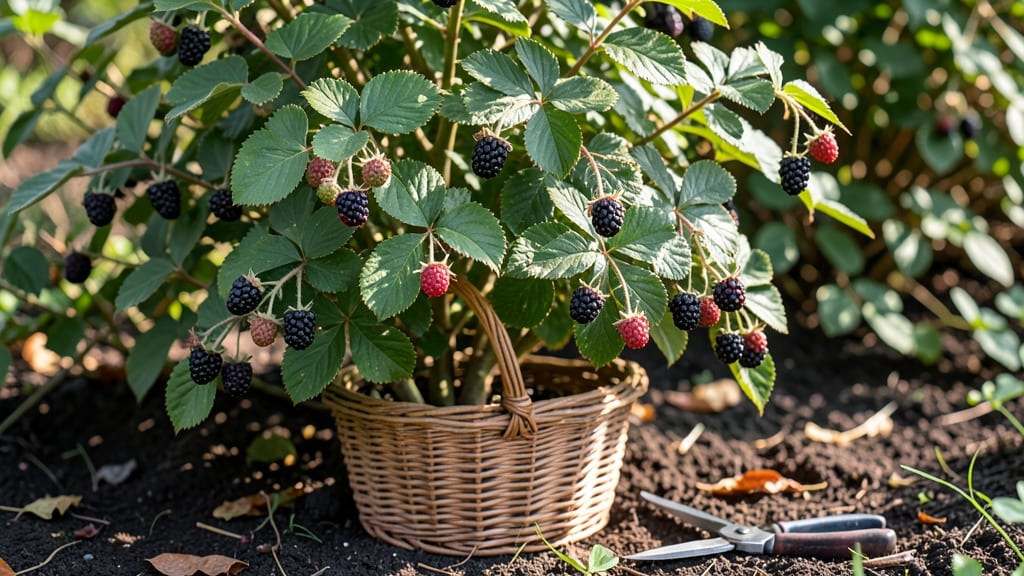
The summer blackberry harvest season in the Northern Hemisphere determines whether you’ll enjoy sweet, juicy 🍇 berries or miss the window entirely.
Imagine biting into a perfectly ripe blackberry—only to find it still tart and underripe because you picked too early. Or worse, waiting too long and ending up with mushy, overripe fruit. The difference between these two outcomes often comes down to knowing the exact harvest window for your region.
Blackberries typically ripen between June and August, but the timing shifts depending on your location—whether you’re in the Pacific Northwest, the Deep South, or Europe. I’ll break down the precise months for your area, plus the telltale signs of ripeness so you never miss a single berry.
Ready to turn your summer garden into a blackberry bonanza? Here’s how to time your harvest for peak flavor and avoid the most common mistakes.

Blackberry harvest months by Northern Hemisphere region (exact timelines)
Timing your blackberry harvest is everything—picking too early means tart, underripe berries, while waiting too long risks bird raids or overripe fruit. The Northern Hemisphere’s summer offers a 3-4 month harvest window, but exact months vary dramatically by region.
Whether you're in Georgia’s heat or Canada’s cooler summers, knowing your peak harvest window ensures you don’t miss a single juicy berry.
Blackberries thrive in USDA Zones 5-9, with harvests stretching from late spring to early fall. Early-season varieties like ‘Triple Crown’ ripen first, while late-season types such as ‘Natchez’ extend your harvest into September or October in warmer climates.
Below, I’ve broken down the exact harvest months for key regions, so you can plan your picking schedule like a pro.
| Region | Early Varieties | Peak Harvest | Late Varieties | Notes |
|---|---|---|---|---|
| United States (South: GA, FL, TX) | May | June–August | September | Hot climate extends season; thrips can be an issue. |
| United States (Midwest: OH, MI, IL) | Late June | July–August | Early September | Cooler nights slow ripening; bird netting recommended. |
| United States (Pacific Northwest: WA, OR) | July | August | Early September | Marine climate delays harvest; rain can split berries. |
| Canada (BC, ON, QC) | Late July | August | Early September | Short season; early frosts risk in late August. |
| Europe (UK, France, Germany) | Late June | July–August | Early September | Cooler climates favor early varieties; hungry birds are a challenge. |
| Asia (Japan, South Korea) | June | July–August | September | Humid climate; fungal diseases require vigilance. |
If you live in the Southern US (like Georgia or Florida), you’ll enjoy the earliest harvests, with berries ripening as early as May. These regions benefit from longer growing seasons, allowing late varieties like ‘Ouachita’ to produce fruit well into September.
However, the heat and humidity can stress plants, so consistent watering and shade cloth in peak summer are key.
In contrast, cooler climates like the Pacific Northwest or Canada see harvests shift later, often starting in July and peaking in August. The shorter summer days and cooler nights slow ripening, but they also reduce pest pressure like spotted wing drosophila.
Choose cold-hardy varieties like ‘Chester’ or ‘Arapaho’ for reliable yields.
Europe’s harvest timeline mirrors the US Midwest, with July and August being prime months. Gardeners in the UK often rely on early varieties like
How to identify perfectly ripe blackberries (and avoid common harvest mistakes)
Picking blackberries at the peak of ripeness transforms your summer harvest from tart and mealy to bursting with sweetness. The key lies in understanding subtle visual and tactile cues that often go unnoticed.
Many gardeners make the mistake of harvesting too early—just because berries are dark doesn’t always mean they’re ready! Let’s break down the exact indicators of true ripeness you should watch for during your summer picking sessions.
First, focus on color consistency across the berry. While most varieties turn deep black when ripe, some like ‘Natchez’ or ‘Chester’ stay red. Look for a uniform hue with no green or white patches.
A slight sheen on the surface often signals full ripeness, too. This glossy appearance comes from natural sugars developing just beneath the skin—a telltale sign you’re close to harvest time.
⚠️ callout warning ⚠️
Next, perform the gentle squeeze test—the most reliable method for determining ripeness. A perfectly ripe blackberry will feel plump yet slightly yielding under gentle pressure. If it feels rock-hard, it’s underripe; if it collapses easily, it’s overripe. Pro tip: Hold the berry between your thumb and forefinger and give it a light pinch. It should yield slightly like a ripe peach, not bounce back like a tennis ball.
Don’t overlook the detachment test, which reveals whether berries are ready to pick. A ripe blackberry should separate cleanly from the receptacle (the stem base) with minimal resistance. If you need to wiggle or pull firmly, the berries aren’t ready yet.
This test is especially critical for floral-primocane varieties, which produce fruit on both new and old canes—mixing ripe and unripe berries is a common harvest mistake.
Finally, consider the temperature factor in your region. In hotter climates (like Georgia or California), blackberries ripen 2-3 weeks earlier than in cooler areas (like the Pacific Northwest). Early morning harvests in humid regions can prevent mold, while dry climates may require picking later in the day to avoid sunburn.
Always check berries after 10 AM when temperatures stabilize for the most accurate ripeness assessment.
One final warning: Birds and pests target ripe blackberries first. If you notice missing berries despite regular picking, consider netting your plants or harvesting earlier in the day when birds are less active.
With these cues, you’ll go from guessing to knowing exactly when to pick—ensuring every berry you harvest is at its sweetest and juiciest. 🍇