
Picking
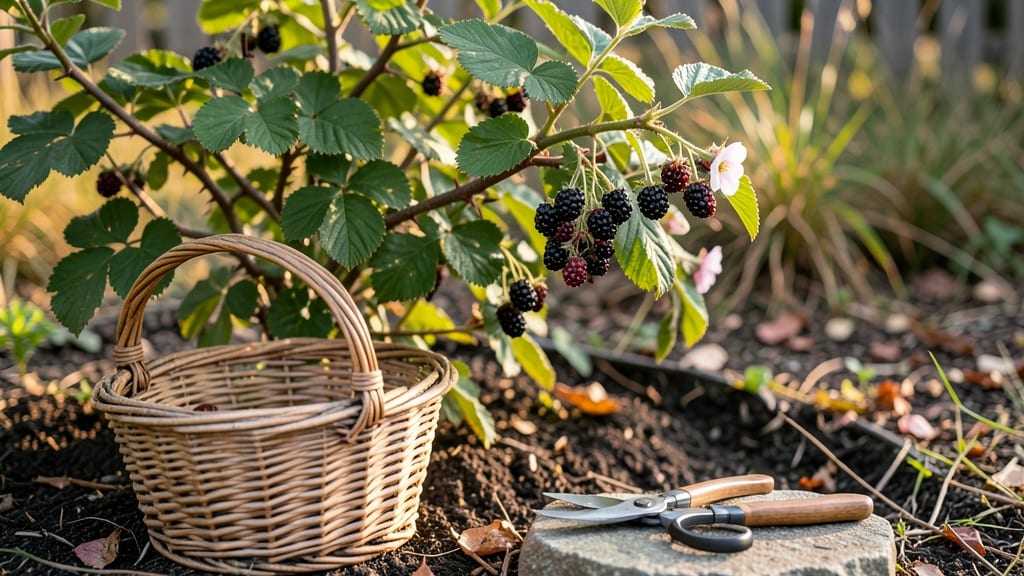
Summer is when blackberries reach their peak harvest season 🫐, turning your garden into a sweet, juicy treasure trove—if you time it right.
Picture this: you’re standing in your backyard, surrounded by lush canes heavy with fruit, only to realize half the berries are still tart or the birds got there first.
That’s the difference between a bountiful summer harvest and a missed opportunity. Knowing when to pick—and how to spot the perfect ripe berry—makes all the difference.
But here’s the catch: the ideal harvest window shifts depending on where you live. In warmer Southern regions, blackberries may start ripening as early as June, while Northern growers might not see peak sweetness until late July or August.
Climate factors like heatwaves or early frosts can also throw off your timing, so understanding your local growing season is key.
In this guide, I’ll break down the best months to harvest by region, teach you how to tell when blackberries are truly ripe (and when they’re past their prime), and share pro tips to maximize your yield—so you can enjoy that first taste of summer’s sweetest reward without a hitch.

Blackberry harvest season by U.s. region: when to pick for maximum sweetness
Timing your blackberry harvest is everything—pick too early, and you’ll get tart, underripe fruit. Wait too long, and those sweet berries turn mealy or attract pests.
The peak harvest window shifts dramatically depending on your U.S. region, with Southern states enjoying early summer bounty while Northern gardeners wait until late August. Even coastal climates play tricks, with cooler ocean breezes delaying ripening by weeks.
Heatwaves can speed up ripening in Zone 8+, while early frosts in Zone 5 or below may cut harvests short.
I’ve learned the hard way—last summer, my Texas blackberries were ready by June 15, but my friend in Maine didn’t see her first ripe berries until August 10. Understanding these regional patterns ensures you maximize sweetness and minimize waste.
Below, I’ve broken down the monthly harvest windows for Southern, Northern, and Coastal regions, including how climate factors like humidity, temperature swings, and rainfall affect your blackberry bushes. Use this as your harvest calendar to plan picking trips, preserve extras, or share with neighbors.
If you’re in the South (Zones 7-10), your blackberry bushes will likely produce fruit as early as mid-June, especially if you planted early-season varieties like ‘Natchez’ or ‘Chester’.
These regions benefit from longer growing seasons, but heat stress after July 15 can reduce sweetness. I’ve found that morning harvests in shady spots preserve flavor during 90°F+ days.
For Northern gardeners (Zones 4-6), patience is key—your peak harvest won’t arrive until mid-to-late July, and you’ll need to act fast. A late July frost can ruin unharvested berries overnight.
In Zone 5, I’ve seen harvests stretch into early September if summers are cool, but 2023’s heatwave cut my Minnesota patch short by 10 days. Always monitor 10-day forecasts.
Coastal areas tell a different story. The Pacific Northwest enjoys a prolonged harvest thanks to cooler temperatures, with berries ripening as late as September. Meanwhile, the Northeast Coast faces earlier frost risks, often ending harvests by August 15.
My Maine blackberries thrive near the ocean, but I’ve learned to harvest aggressively by August 1 to avoid bird damage from overripe fruit.
Regardless of your region, consistent watering is non-negotiable during harvest. Drought stress turns sweet berries tart and seedy, while overwatering can split fruit.
I’ve perfected a drip irrigation schedule: 1-2 gallons per plant every 2-3 days in summer heat, always in the early morning to prevent fungal issues. Pair this with mulch to retain moisture and reduce weeds.
Pro tip: Harvest every 2-3 days during peak season to encourage more fruit production. Blackberries are self-pollinating, but hand-pollination (gently shaking branches) can boost yields in humid climates where pollen struggles to transfer. I
How to tell when blackberries are perfectly ripe (and avoid common mistakes)
Picking blackberries at the right moment means the difference between bursting sweetness and tart disappointment. These berries ripen quickly in summer, so knowing the exact signs of perfection helps you avoid wasting time—or worse, leaving them to rot on the vine.
The key lies in observing three simple but critical visual and tactile cues that indicate peak ripeness.
First, focus on the color transformation. Perfectly ripe blackberries are a deep, glossy black—no red or purple hints. If you spot even a few green or red specks, the berries need more time.
Next, check the firmness by gently pressing a berry; it should yield slightly, like a ripe avocado, but not squish like overripe fruit. Finally, examine the stem attachment—a ripe berry should detach easily with a gentle tug.
⚠️ callout warning
Berries left too long on the vine become mushy and fermented, attracting wasps, birds, and rodents. These pests can strip your entire harvest in hours. If you notice soft, leaking berries or see flies hovering, pick immediately—even if not perfectly ripe—or cover the plant with netting to protect remaining fruit.
Don’t rely solely on color, though—regional climate plays a huge role. In hotter Southern states like Texas or Florida, blackberries ripen faster due to intense summer sun, often peaking in June or early July.
Meanwhile, Northern regions like Michigan or New York may see peak ripeness stretching into late July or August, thanks to cooler temperatures slowing the process.
For a true test of ripeness, take a berry and taste it. A perfectly ripe blackberry should be sweet with a hint of tartness, not overwhelmingly sugary or bland. If it tastes seedy or mealy, it’s past its prime.
Pro tip: Harvest in the morning after dew has dried—berries are coolest and sweetest then, making them ideal for fresh eating or preserving.
One common mistake? Picking berries too early to "speed up" ripening. Blackberries won’t sweeten off the vine, so waiting for full ripeness ensures the best flavor and texture.
If you’re unsure, pick a few clusters and let them sit at room temperature for 24 hours—they’ll continue ripening slightly, helping you gauge the perfect moment.
Finally, remember that variety matters. Some blackberries, like 'Natchez' or 'Triple Crown,' ripen uniformly, while others may produce a mix of ripe and unripe berries. For these, harvest in two passes: first for the ripe ones, then again a few days later for the stragglers.
This two-step method maximizes your yield while minimizing waste.