
Planting
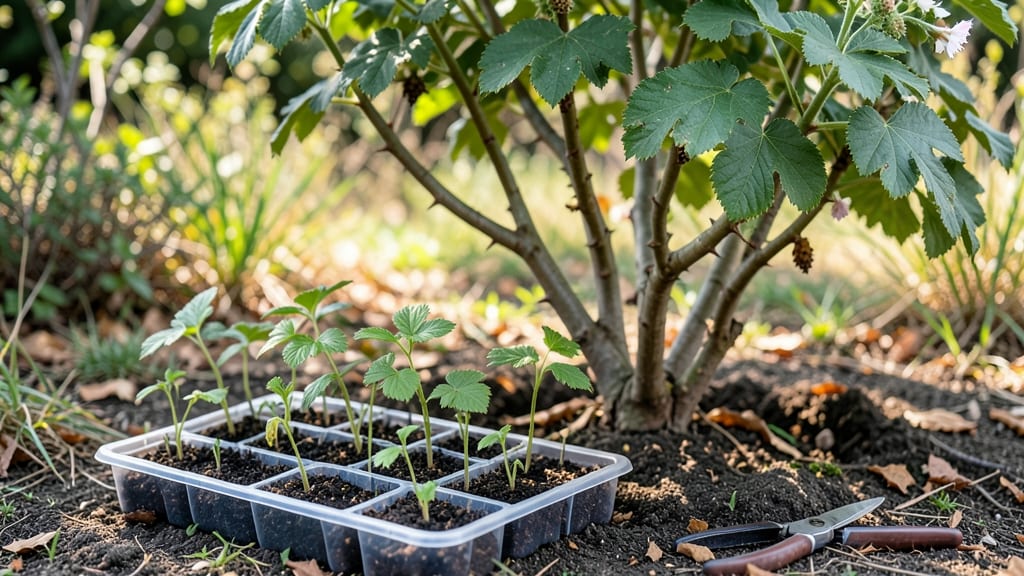
Planting blackberries in the right season is the difference between a thriving 🫐 bush and one that struggles to survive.
Timing your blackberry planting season correctly can mean the difference between a bountiful harvest and years of frustration—knowing the exact months to plant by your region is the secret to success.
For most gardeners in USDA Zone 6a, the ideal window is March to April, right after the last frost, when soil temperatures hit 50°F or warmer.
But if you live in a warmer climate, like Zone 8 or 9, fall planting might work better to avoid summer heat stress.
Below, I break down the best months for your area, whether you’re planting bare-root or potted blackberries, and how to prep your soil for maximum success.


Blackberry planting season by USDA hardiness zones: month-by-month guide
Timing your blackberry planting season correctly can mean the difference between a thriving blackberry bush and years of disappointment. USDA hardiness zones dictate the perfect window, but soil temperature and frost risk add layers of complexity.
For example, Zone 5 gardeners face late spring frosts, while Zone 9 growers must avoid summer heat stress. Let’s break down the exact months for trailing and erect varieties across all zones, including soil temperature thresholds.
Blackberries thrive when planted during their dormant season, typically late fall or early spring. However, bare-root plants need cooler soil (40–50°F) to establish roots before buds break. Potted plants, on the other hand, can handle slightly warmer soil (50–60°F) and offer more flexibility.
Below, we’ve mapped out the ideal planting windows by zone, accounting for last frost dates and soil warming trends.
Pro Tip: Use a soil thermometer to confirm soil temperature before planting—this is the #1 reason blackberries fail in marginal zones. For Zone 3–4, wait until late May to avoid frost damage, while Zone 8–10 gardeners can plant as early as November to take advantage of winter rains.
| USDA Zone | Best Planting Month | Soil Temp Threshold | Frost Risk | Variety Notes |
|---|---|---|---|---|
| 3–4 | Late May–June | 40–50°F | High (May frosts) | Cold-hardy erect types (e.g., 'Chester') |
| 5–6 | April–May | 45–55°F | Moderate (April frosts) | Thornless trailing (e.g., 'Natchez') |
| 7–8 | February–March | 50–60°F | Low (occasional late frost) | Heat-tolerant erect (e.g., 'Arapaho') |
| 9–10 | November–December | 55–65°F | None | Trailing types (e.g., 'Ouachita') |
✅ Best months are bolded; soil temp must match before planting.
For Zone 3–4, the late May–June window is critical to avoid late spring frosts that can kill emerging shoots. Plant erect varieties like 'Chester' or 'Darrow'—these handle cold better than trailing types.
In Zone 5–6, aim for April–May when soil warms to 45–55°F. Thornless trailing varieties (e.g., 'Natchez') thrive here but need trellis support from day one.
Gardeners in Zone 7–8 have the most flexibility, planting as early as February in mild winters or waiting until March if frost lingers. Heat-tolerant erect varieties like 'Arapaho' perform best here.
Meanwhile, Zone 9–10 growers should plant in November–December to leverage winter rains and avoid summer heat stress. Trailing varieties (e.g., 'Ouachita') excel in these zones but need drip irrigation to prevent root rot.
Soil temperature is non-negotiable—use a soil thermometer to confirm readiness. For bare-root plants, soak roots in water for 2–4 hours before planting to reduce transplant shock. In sandy soils, add compost to retain moisture, while clay soils benefit from gypsum to improve drainage. Mulch with
Critical factors that determine your blackberry planting season
Blackberries thrive when planted at the right time, but your local climate dictates the perfect window. Unlike annuals, these perennial shrubs need specific conditions—chill hours, soil warmth, and frost-free periods—to establish strong roots before summer heat.
In the Pacific Northwest, for example, you’ll plant much earlier than in the Deep South, where summer arrives aggressively by May. Ignoring these factors can lead to stunted growth, poor fruiting, or even plant death.
Let’s break down the 4 climate variables that determine your planting season: chill hours (crucial for dormancy), last frost dates (the ultimate deadline), humidity levels (affecting root health), and sunlight exposure (directly tied to fruit production). Each plays a role in whether your blackberries will flourish or struggle.
For instance, Zone 5 gardeners (like those in Michigan) have a narrow window—April 15–May 1—while Zone 9 growers (like in Florida) can plant as late as November.
Your local microclimate can shift planting windows by weeks. For example, coastal California (Zone 9) has mild winters, so blackberries can be planted in November–December to avoid summer heat stress. Meanwhile, inland deserts (e.g., Nevada) plant in early spring to capitalize on cooler temperatures.
Even within a single state, like Washington, mountain regions (e.g., Zone 5) plant later than valleys (Zone 7).
Another critical factor is soil temperature. Blackberry roots struggle in cold soil (below 50°F). Use a soil thermometer to confirm the ground has warmed to 60–65°F before planting.
In northern zones, this might not happen until late May, while southern zones reach it by March. Bare-root plants, in particular, need warm soil to avoid rot.
Don’t overlook humidity’s role in root establishment. In humid climates (e.g., Louisiana), plant in fall to give roots time to establish before summer’s oppressive heat. In dry climates (e.g., Colorado), prioritize spring planting to align with natural rainfall patterns.
Always test your soil’s drainage—blackberries hate soggy roots, which can lead to root rot in as little as 48 hours.
Pro tip: Use row covers in late-spring plantings to protect young canes from unpredictable frost. In Zone 6, this means planting in early May but keeping covers handy until June 1.
By understanding these climate-specific factors, you’ll avoid the most common mistakes—like planting too early in cold zones or too late in hot ones—and set your blackberries up for a lush, productive life. 🌱