
Picking
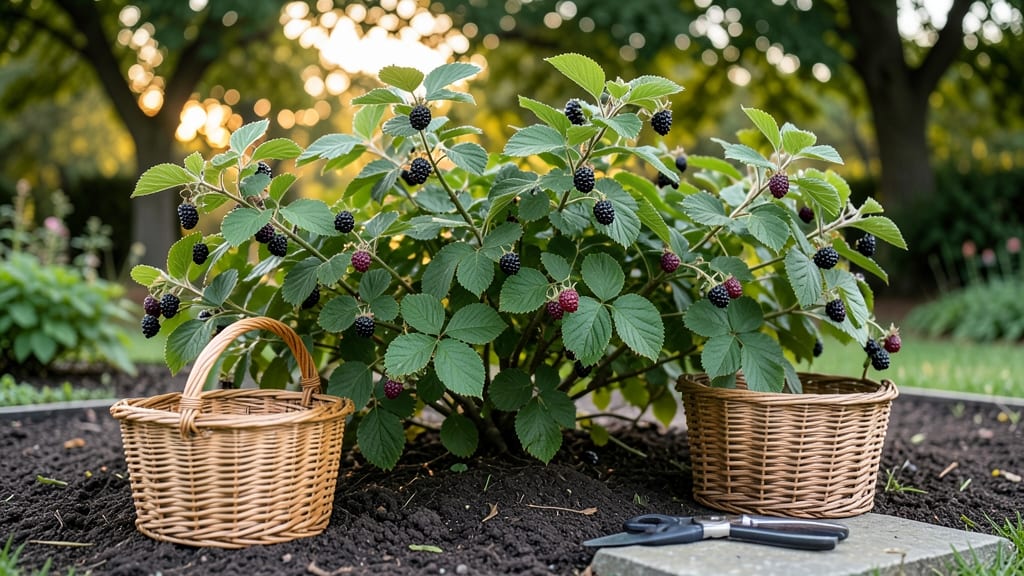
Pennsylvania’s blackberry season arrives like a summer gift—juicy, sweet berries that transform from tart to luscious in just days. 🌿 I’ve picked wild blackberries in the Poconos and cultivated varieties in central PA, and the timing always feels like a race against the weather.
In most of the state, peak season stretches from mid-July through early September, though wild patches in the Alleghenies might linger into October.
The key to perfect picking? Watch for deep black color and a slight give when gently squeezed—ripe berries should pull away cleanly from the stem. Cultivated varieties like 'Triple Crown' and 'Chester' ripen first, while wild blackberries (like those in state forests) often follow two weeks later.
Southern PA’s warmer climate can push harvests earlier, while northern zones might see delayed ripening after late frosts.
You’ll know you’ve timed it right when the bushes are heavy with fruit and the birds have stopped snacking. A single 10-minute walk through a ripe patch can yield enough berries for pies, jams, or fresh eating—just be ready to move quickly before the wildlife beats you to them.
The best part? Pennsylvania’s blackberries taste sweeter and more complex than store-bought, with flavors that peak in late August.
Pro tip: Wear gloves—thorns are worse when the bushes are laden with fruit—and bring a bucket with a little water to keep your harvest fresh. If you miss the wild patches, many farms (like those in Lancaster County) offer U-pick opportunities with exact ripening updates.
Now’s the time to mark your calendar!
📚 In This Guide
- What you need
- Instructions
- Tips and common mistakes
- Wrapping up and next steps
What you need
- ● Blackberry picking gloves (1–2 pairs): Heavy-duty, long-fingered gloves (e.g., Cooper or North Safety) to protect against thorns and stains.
- ● Sharp pruning shears or clippers (1 pair): Felco or Fiskars bypass pruners (5–7" blades) for clean cuts.
- ● Sturdy containers (2–3): Mesh berry baskets (18" diameter) for airflow.
- ● OR 5-gallon buckets with lids (for bulk picking).
- ○ Portable cooler (optional but highly recommended): 10–20 quart capacity to keep berries fresh.
- ● Water bottle (1–2): Hydration is key, especially in PA’s summer heat! 💦
- ● Knowledge of local regulations: Check PA DCNR’s guidelines—some areas require permits for commercial picking.
- ● ID or landowner permission: Always confirm access if picking on private property.
- ● First-aid kit: Bandages, antiseptic wipes, and tweezers (for thorn splinters).
- ● Weather check: Aim for mornings after rain—berries are juicier and easier to pick!
- ● Wear long sleeves/pants—thorns are sneaky! 🛡️
- ○ Bring a small knife (optional) to trim overripe clusters for easier transport.
- ● Label your containers if picking at multiple locations to avoid mix-ups.
When and how to pick blackberries in Pennsylvania
Timing is everything—here's how to identify peak season and tell when those berries are truly ready.
📅 Step 1: Identify Pennsylvania's Peak Blackberry Months
In Pennsylvania, blackberries typically ripen between mid-July and early September, with peak season falling in late July through August. The exact timing depends on your region—southern PA (like Lancaster County) often sees berries ripen 1-2 weeks earlier than northern areas (like Erie). I always check local farm reports or call nearby orchards for the most precise window.
Watch for the first ripe berries on bushes—these are your signal to start monitoring daily. A good rule of thumb: once you see 10% of the crop turning dark purple-black, the rest will follow within a week. The berries won't all ripen at once, so plan multiple picking trips over 2-3 weeks to get the full harvest.
☀️ Step 2: Check for True Ripeness Before Picking
Never pick green or red berries—they won't ripen off the bush. True ripeness means the berries are deep purple-black all over, with a slight sheen when sunlight hits them. I run my thumb gently over a berry—if it feels slightly soft and gives way just a bit, it's ready. Underripe berries will be firm and leave a dent that doesn't recover.
Here's the real test: pick one berry and taste it. A perfectly ripe blackberry should be sweet with just a hint of tartness, not overly tart or mealy. If it's still sour, wait another day. Overripe berries get mushy and attract birds, so time your picking carefully.
✂️ Step 3: Harvest Blackberries Properly
Use two hands when picking: one to support the berry cluster and one to gently twist the berries off the stem. Never pull the whole cluster—this damages the plant and reduces next year's crop. Hold a small container or basket under the berries to catch them as they drop. I like to wear long sleeves and gloves because blackberry bushes often have thorns that can scratch.
Pick only fully ripe berries—leaving some on the bush encourages more to ripen. Avoid picking when the berries are wet from dew or rain, as this speeds up spoilage. Work in the morning when temperatures are cooler (below 80°F) to preserve quality. Fill containers no more than halfway to prevent crushing.
🍽️ Step 4: Store and Use Your Harvest
Blackberries are delicate—use them within 2-3 days for best flavor. Store in the refrigerator in a single layer on a paper towel-lined tray to prevent mold. For longer storage, freeze them on a baking sheet first (to prevent clumping), then transfer to a sealed container. Frozen berries keep for up to 6 months and work great for smoothies or baking.
Don't wash berries until right before using—excess moisture causes spoilage. If you need to clean them, pat dry immediately with a paper towel. For immediate use, enjoy fresh with whipped cream or yogurt. Blackberries also make excellent jam, cobblers, or frozen treats. The key is using them quickly—their flavor peaks at peak ripeness.
🌿 Step 5: Know When to Stop Picking
Leave about 10-15% of the berries unharvested to feed birds and wildlife, and to ensure some berries remain for next year's crop. Once most berries turn from purple to black and start dropping to the ground, the season is over. I always leave a few clusters on the bush as a visual cue that it's time to stop picking.
After the harvest, clean up fallen berries and debris to prevent disease. Prune any dead or diseased canes in late winter to encourage healthy new growth. Mark your calendar for next year's picking season—blackberries are worth the wait, especially when you know exactly when and how to pick them at their best.
Tips & tricks for perfect blackberry picking in Pennsylvania
Here's what nobody tells you about maximizing your blackberry harvest—these tricks will save you time and frustration.
Regional Timing Tip: The 1-2 week difference between southern and northern PA is real, but don't rely solely on dates. Check your local weather patterns—cooler summers can delay ripening by 5-7 days. I've seen Lancaster County berries peak in early August while Erie's bushes needed until early September. Call nearby farms for real-time updates if you're unsure.
Ripeness Test Secret: That slight sheen on fully ripe berries isn't just for looks—it's a moisture indicator showing peak sweetness. I've learned the hard way that waiting for that sheen makes all the difference between good berries and exceptional ones. And here's a pro move: pick berries that have already fallen to the ground—they're often the sweetest since they ripened first.
Harvesting Strategy: Fill containers no more than halfway to prevent crushing, but don't skimp on containers. I use a mix of small mesh bags for immediate use and larger rigid containers for transporting to market. The mesh bags let air circulate, keeping berries fresher longer during your picking trips. And always bring a spare container—you'll wish you had one when you see a perfect bush.
Temperature Matters: The 80°F temperature guideline isn't arbitrary—berries picked in cooler morning conditions (below 75°F) maintain their firmness and flavor better. If you must pick later in the day, work in the shade and transport berries in a cooler. I've noticed berries picked after 10 AM on hot days lose their vibrant color within hours, while morning-picked berries stay fresh for days.
Pro Tips for Blackberry Season Pennsylvania
- Here's what nobody tells you about maximizing your blackberry harvest—these tricks will save you time and frustration.
- Regional Timing Tip: The 1-2 week difference between southern and northern PA is real, but don't rely solely on dates.
- Ripeness Test Secret: That slight sheen on fully ripe berries isn't just for looks—it's a moisture indicator showing peak sweetness.
Frequently asked questions
Got questions about Pennsylvania’s blackberry season? You’re not alone! Here are some of the most common queries—plus quick answers to help you pick the perfect berries.
When is the best time to pick blackberries in Pennsylvania?
Blackberry season in Pennsylvania typically peaks from late July through September, with the exact timing depending on your region. Southern PA (like Lancaster or Berks County) often ripens first, followed by central and northern areas. Check local u-pick farms for updates—they usually post harvest schedules!
How do I know when blackberries are fully ripe and ready to pick?
Look for deep black or purple-black berries that plump easily when gently squeezed. Avoid picking if they’re still red or firm—they won’t be sweet! Also, check for a slight give (like a ripe peach) and a fragrant aroma. Pro tip: The best berries are often hidden under the leaves!
What should I avoid when picking blackberries?
Skip berries that are mushy, moldy, or have white powdery spots (a sign of fungus). Avoid picking from plants with yellowing leaves or excessive bugs—these could mean disease or pesticide use. Always wash berries thoroughly before eating, even if they’re organic, to remove dirt or debris.
Are there alternatives if blackberries aren’t in season yet?
If you’re craving berries before July or after September, try local blueberries (June–August), raspberries (June–July), or strawberries (May–June). Pennsylvania also has great wild blackberry patches in forests—just be sure to forage responsibly and confirm the plants aren’t treated with chemicals!
Why do some blackberries taste bland or mealy?
Bland or mealy berries often mean they were picked too early or weren’t fully exposed to sun. Overripe berries (too soft or fermented) can also lose flavor. For the best taste, pick on a cool morning after dew has dried, and store them in the fridge for up to 3 days. Fun fact: Berries picked in the shade may taste milder!
Wrapping up and next steps
Blackberry season in Pennsylvania is a delicious and rewarding experience—just remember to pick at the right time and respect local guidelines! 🌿 Whether you're foraging for fresh berries, crafting jams, or simply enjoying nature, these ripe, juicy treats are worth the effort.
Now that you’re armed with the best months and ripeness tips, grab your basket and head out—your taste buds (and freezer) will thank you!
💡 Next step: Check local farm stands or state parks for harvest updates and share your blackberry adventures with fellow foragers! 📸