
Advice
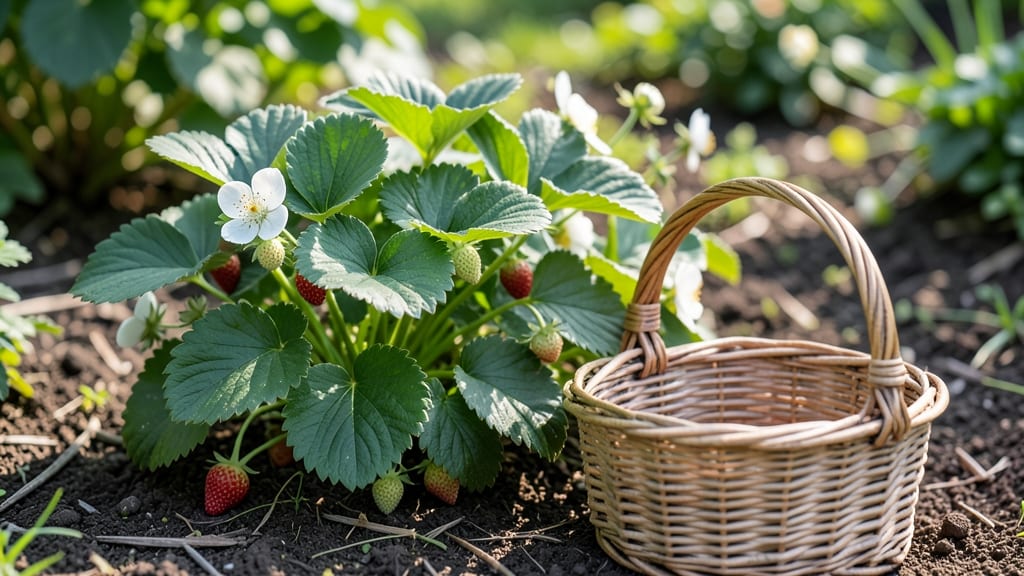
Whether it's still strawberry picking season depends on your location in 2024, with most regions wrapping up by early summer, though late-season varieties in warmer climates like California and Florida may last until July. Always verify with local farms, as weather conditions can shorten the harvest window.
Strawberry picking season stretches from late May through June in most parts of the U.S., but timing varies dramatically by climate. 🌱 Northern states often see their peak harvest in early June, while southern regions can enjoy berries well into July.
The key difference? Warmer climates allow late-season varieties to ripen longer, while cooler areas may finish by late June due to frost risks. Checking with nearby farms is your best bet—they adjust picking schedules based on real-time weather patterns.
What many don't realize is that strawberries don't all ripen at once. Early-season varieties typically appear first, followed by mid-season types, and finally late-season berries that extend the harvest.
This staggered maturation means you might find fresh strawberries available for weeks longer than you'd expect, especially if you're willing to visit multiple farms. The secret to spotting the best berries? Look for bright red color, firmness, and a sweet aroma—these are your indicators of peak ripeness.
💡 In This Article
- Strawberry Ripening Stages and Regional Picking Windows
- Late-Season Strawberry Care and Harvesting Tips
Strawberry ripening stages and regional picking windows
Strawberries go through three distinct ripening stages that determine their picking readiness. First comes the green stage, where berries are firm and pale, containing high levels of starches that convert to sugars as they mature.
Next is the white stage, marked by a creamy interior and the first hints of red on the surface—this is when many commercial growers harvest for shipping.
Finally, the red stage brings the full sweetness and vibrant color we associate with ripe strawberries, though this stage happens after they're picked in most commercial operations. 🌱
Regional deadlines vary because strawberries are temperature-sensitive. In Zone 5-7 (Midwest/Northeast), early varieties like 'Jewel' ripen by late May, while late-season types like 'Chandler' may last until early July. Warmer Zone 8-10 (California, Florida) can extend harvests into mid-July thanks to longer growing seasons.
The magic number? Strawberries need 500-1,000 chill hours (temperatures below 45°F) to break dormancy, which explains why northern regions have shorter windows. Southern farms often use season extenders like row covers or drip irrigation to push late-season varieties.
What most people miss is how daylength triggers ripening. Strawberries are short-day plants, meaning they flower and fruit when daylight hours shorten in spring. This biological clock explains why late May is peak season in most areas—it's when the plant's internal timer aligns with optimal temperatures.
In Florida, however, everbearing varieties produce multiple harvests throughout the year because their growth isn't as tightly coupled to seasonal cues. The result? While northern pickers might finish by June 15, Florida farms can keep going until July 10 or later.
Identifying ripe strawberries requires checking three key factors: color (deep red, not pale), firmness (yielding slightly but not mushy), and aroma (intense sweetness at the stem end). Overripe berries develop a white powdery coating (mold) and leak juice when pressed—a sign they've passed their prime.
The best picking time? Early morning after dew has evaporated but before the sun peaks, when sugars are most concentrated. This window matters because strawberries continue respiring after picking, losing 1-2% of their weight per hour at room temperature.
Climate change is also shifting these windows. Warmer winters mean some northern regions now see earlier harvests, while drought-prone areas like California may experience shorter seasons due to water restrictions.
The science is clear: strawberries need 1-1.5 inches of water per week during growing season, but too much rain can split berries or spread fungal diseases.
That's why many farms now use drip irrigation systems to deliver precise moisture without overwatering—a technique that can extend harvests by 10-14 days in ideal conditions.