
Picking
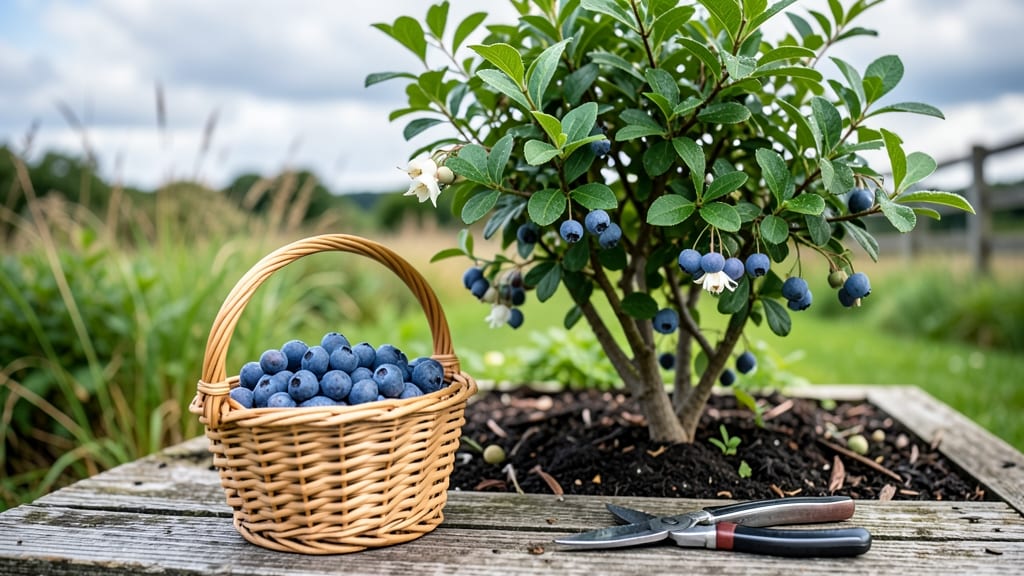
The blueberry harvesting season determines when your 🫐 bushes yield the sweetest, juiciest fruit—missing it means bitter or mushy berries that spoil fast.
Picture this: you’ve waited months for those deep blue clusters, only to find they’re still hard or already fermenting on the bush. The right timing isn’t just about the calendar—it’s about your zone, variety, and even last night’s rain.
In this guide, I’ll break down the exact months for USDA Zone 6 (and beyond), how to spot perfectly ripe berries, and pro tips to stretch your harvest from June through July—no guesswork.
You’ll learn how climate shifts your schedule, which varieties ripen first, and how to store your haul so it stays fresh for weeks.

Blueberry harvesting months by USDA Plant Hardiness Zones (exact timelines)
Blueberries thrive in specific climate windows, and knowing your USDA Plant Hardiness Zone helps you pinpoint the perfect harvest timing. In colder Northern Zones (3-6), frost-sensitive varieties demand early picking, while Southern Zones (9-11) enjoy extended harvests.
Even within the same zone, early vs. late varieties can shift your schedule by weeks—so let’s break it down by region for foolproof results.
Your blueberry bushes may produce fruit for 4-8 weeks, depending on variety and climate. Missing the peak ripeness window means tough, underripe berries or mushy, overripe ones.
For example, a June harvest in Zone 5 could turn into a July-August feast in Zone 9. Understanding these shifts ensures you never waste a single berry.
Here’s how to match your zone to the ideal harvest months, including tips for frost-prone areas and heat-sensitive varieties:
In Zones 3-6, early varieties like 'Jersey' or 'Patriot' ripen as early as late May to June, while late varieties such as 'Bluecrop' or 'Elliott' stretch harvests into August. The key? Monitor frost dates—pick before the first 28°F night to avoid damage.
Gardeners in Zones 7-8 enjoy a longer window, with harvests spanning May through July. Varieties like 'Duke' thrive in heat but may suffer if summer temperatures exceed 90°F. Shade cloth can help extend ripening for late-season berries.
For Zones 9-11, the season kicks off in March with varieties like 'Climax', but heat-sensitive bushes may struggle past June. Prune aggressively in late winter to improve airflow and reduce fungal risks during Florida’s humid summers.
Pro tip: Use a harvest calendar to track ripening. Start with 10% of berries ripe and pick every 2-3 days to avoid overripe clusters. Store freshly picked berries in single layers in the fridge for up to 7 days.
If you’re unsure about your zone, check the USDA Plant Hardiness Zone Map or use your last frost date as a guide. For example, if your last frost is April 15, aim to harvest by mid-July in Zone 6.
Remember: Blueberries ripen unevenly—check bushes every 2-3 days in peak season. The first ripe berries signal it’s time to start harvesting, even if others aren’t ready yet.
How to tell when blueberries are perfectly ripe (and ready to pick)
Picking blueberries at the right moment transforms your harvest from tart and mealy to sweet, juicy perfection. The difference between perfectly ripe and overripe berries hinges on three key factors: color, texture, and flavor. Even experienced gardeners sometimes struggle to distinguish these cues—especially with varieties that ripen unevenly.
Understanding these visual and tactile clues ensures you enjoy the best possible flavor and texture, whether you're eating them fresh or preserving them for later.
Blueberries ripen gradually, and waiting for peak ripeness is always worth the patience. Unlike many fruits, blueberries don't ripen further after picking, so timing is everything. A single day too early can leave you with bland, underripe berries, while waiting too long risks bird damage or fruit that spoils quickly.
The good news? With a few simple checks, you can confidently identify the perfect moment to harvest—even if you're dealing with a mixed batch of berries on the same bush.
One of the biggest mistakes I see gardeners make is picking blueberries based solely on color. While a deep blue hue is a strong indicator, it’s not the only clue.
For example, 'Bluecrop' and 'Jersey' varieties turn blue earlier than 'Duke' or 'Patriot,' which develop a richer color closer to ripeness. Always combine color with the texture test—this two-step approach eliminates guesswork. Pro tip: Pick on a dry morning after dew has evaporated.
Wet berries bruise easily and are harder to judge for ripeness.
If you're harvesting for preservation (like jams or freezing), you can pick slightly underripe berries—they’ll ripen fully during storage. However, for fresh eating, always prioritize fully ripe berries. Overripe blueberries may look perfect on the outside but can be mushy or fermented inside, ruining your harvest.
When in doubt, err on the side of ripeness—blueberries won’t ripen further once picked, and underripe fruit is far more forgiving than overripe.
For large-scale harvests, consider using a harvesting tray lined with a soft cloth to catch berries without damaging them. Work quickly but gently, especially in hot weather, where berries can overripe within hours of picking.
Store freshly picked blueberries in the fridge for up to a week, or freeze them immediately for long-term storage. The key to a successful harvest isn’t just knowing when to pick—it’s also handling them with care once they’re off the bush. 🫐